Which Chemical Is Used for Cockroach Pest Control?
Peta Stewart • April 17, 2026
Have you ever switched on the kitchen light late at night and spotted a cockroach darting across the benchtop? It's one of those moments that makes your skin crawl, and sends most Perth homeowners straight to the supermarket for a can of spray.
But here's the thing: not every product actually solves the problem. If you really want to get rid of cockroaches in your home for good, understanding which chemicals work and why makes all the difference. Let's walk you through exactly what professionals use and how it all works.
Why Chemical Treatments Are the Go-To for Cockroach Control
Cockroaches are survivors. They've been around for hundreds of millions of years, and they haven't lasted that long by being easy to kill. If you've ever grabbed a supermarket spray, doused a cockroach in it, and watched it scurry off seemingly unaffected, you already know what we mean. Over-the-counter products are formulated to be broadly safe for general household use, which often means they're not potent or targeted enough to wipe out an established infestation.
That's where professional chemical treatments come in.
Why Supermarket Sprays Often Fall Short
Most retail sprays work as contact killers; they'll take down the cockroaches you can directly spray, but they do very little about the ones you can't see. And trust us, there are always more you can't see. Cockroaches are nocturnal and deeply secretive creatures. The handful you spot darting across your kitchen floor at night are usually just a small fraction of what's actually living in your walls, behind your appliances, and under your cabinetry.
Retail products also tend to have a short residual effect. Once the spray dries, its killing power drops off quickly, giving cockroaches the chance to recolonise treated areas within days. Without treating the source of the infestation, you're essentially playing whack-a-mole.
How Professionals Approach the Problem Differently
When a licensed pest technician visits your home, the process starts well before any chemical is applied. They'll assess the species involved, the size of the infestation, where cockroaches are harbouring, and what conditions in your home might be drawing them in. That information directly determines which chemicals are chosen and how they're applied.
This matters more than most people realise. Different cockroach species respond differently to different chemical classes. German cockroaches, for example, are notoriously fast breeders and have a well-documented ability to develop resistance to certain treatments. Choosing the wrong chemical, or applying the right one incorrectly, can actually make the problem harder to solve over time.
Professional-grade chemicals are registered through the Australian Pesticides and Veterinary Medicines Authority (APVMA), meaning they've undergone rigorous testing for both safety and effectiveness. They're applied in the right concentrations, in the right locations, and with the right methods to deliver results that actually last.
The Resistance Problem
One of the biggest reasons DIY treatments fail long-term is resistance. Cockroach populations, particularly German cockroaches, which are widespread across Perth homes and food businesses, can build up resistance to specific chemical classes when those chemicals are used repeatedly without rotation. A professional pest controller understands this and knows how to switch between chemical families or combine treatments strategically to prevent resistance from taking hold.
Booking a professional cockroach extermination service means you're getting someone who understands not just the chemicals themselves, but how to use them in a way that delivers long-term results rather than a quick fix that fades within a week.
The Main Chemicals Used in Professional Cockroach Pest Control
Walk into any professional pest controller's kit and you won't find a single "one size fits all" solution. There's a whole range of chemical classes used in cockroach control, each with its own mode of action, strengths, and ideal use cases. Understanding what these are , and why professionals choose them helps you appreciate why a licensed treatment is so much more effective than anything you'll find at the hardware store.
Pyrethroids: The Workhorse of Cockroach Control
Pyrethroids are synthetic versions of pyrethrins, which are naturally derived from chrysanthemum flowers. They're one of the most widely used chemical classes in pest control across Australia, and for good reason. Pyrethroids work by attacking the nervous system of cockroaches, causing paralysis and death relatively quickly.
Common pyrethroids used in cockroach treatments include bifenthrin, cypermethrin, and deltamethrin. These are typically applied as residual sprays to surfaces that cockroaches frequently travel across, such as skirting boards, wall junctions, behind appliances, and inside cupboards. When a cockroach walks through a treated zone, it picks up the chemical and dies shortly after.
Their residual effect is one of their biggest advantages. A well-applied pyrethroid treatment can remain active for weeks, continuing to knock down cockroaches long after the technician has left.
Insect Growth Regulators, Targeting the Next Generation
Insect Growth Regulators, or IGRs, work very differently from contact insecticides. Rather than killing cockroaches outright, they disrupt the cockroach life cycle by interfering with their ability to develop and reproduce. Chemicals like hydroprene and methoprene mimic juvenile hormones in cockroaches, preventing nymphs from maturing into reproductive adults.
IGRs are rarely used alone; they're most powerful when combined with a fast-acting insecticide. Together, they tackle the infestation on two fronts: eliminating the adults present now while cutting off the next generation before it can take hold.
Neonicotinoids: A Different Mode of Attack
Neonicotinoids such as imidacloprid act on the central nervous system of insects but through a different pathway than pyrethroids. This makes them a valuable option when dealing with cockroach populations that have developed resistance to pyrethroid-based treatments. They're often incorporated into bait formulations or used as part of a broader rotation strategy.
Why Professionals Combine Chemical Classes
Here at Stewarts Pest Control, we know that relying on a single chemical class is rarely the most effective approach. Rotating between pyrethroid sprays, IGRs, and neonicotinoids, or using them in combination, keeps cockroach populations from adapting, ensures the infestation is tackled at every life stage, and delivers a more complete and lasting result for your home.
Cockroach Baits and Gels: A Chemical Approach That Works Differently
Not all cockroach chemicals come in a spray bottle. Gel baits are one of the most effective tools in a professional pest controller's arsenal, and they work in a completely different way to residual sprays. If you've never heard of them, they're worth understanding, because in many situations, they outperform traditional spray treatments hands down.
How Gel Baits Actually Work
Cockroach gel baits combine a slow-acting insecticide with a food attractant. The idea is simple but clever: cockroaches are drawn to the bait, consume it, and then return to their harbourage before the chemical takes effect. This is intentional. A fast-acting poison would kill the cockroach before it had a chance to interact with the rest of the colony.
Common active ingredients found in professional gel baits include fipronil, indoxacarb, and hydramethylnon. Each of these works by interfering with the cockroach's nervous system, but slowly enough to allow the transfer effect to occur.
The Transfer Effect: Why Baits Spread Through a Colony
The transfer effect is what makes gel baits so powerful against large infestations. After a cockroach consumes the bait and dies, other cockroaches in the colony come into contact with the dead cockroach, or its droppings, and absorb the chemical themselves. This chain reaction can spread through an entire colony without a technician ever needing to directly treat every harbourage point.
It's a particularly effective strategy against German cockroaches, which live in tight-knit groups and regularly interact with one another. One well-placed bait application can ripple through a colony far more efficiently than a spray ever could.
When Baits Are the Better Choice
Gel baits shine in environments where spray treatments aren't ideal. Kitchens, food preparation areas, homes with young children, and households with pets are all situations where minimising chemical exposure is a priority. Because baits are applied in tiny, precise amounts in concealed locations, inside cupboard hinges, behind appliances, under sinks, they pose very little risk to anyone who isn't a cockroach.
They're also a smart long-term strategy. Used consistently as part of an ongoing pest management plan, they can genuinely stop cockroaches coming back rather than simply knocking down the current population and leaving the door open for a fresh infestation.
Baits and Sprays, Stronger Together
In many professional treatments, gel baits and residual sprays are used together rather than as alternatives. The spray handles cockroaches moving through treated zones, while the bait works its way through the colony from the inside. This dual approach covers more ground, targets cockroaches at different points in their behaviour cycle, and significantly improves the overall outcome of the treatment.
Are These Chemicals Safe for Your Family and Pets?
It's one of the first questions we hear from homeowners, and it's a completely fair one to ask. When someone mentions chemicals being applied inside your home, it's natural to wonder what that means for your kids, your pets, and the people you share your space with. The good news is that when treatments are carried out by a licensed professional, the risk to your family is minimal, and here's why.
Australian Regulations Keep Standards High
Every chemical used in professional pest control in Australia must be registered with the Australian Pesticides and Veterinary Medicines Authority (APVMA). This registration process involves extensive testing to evaluate toxicity, environmental impact, and safe usage conditions before a product is ever approved for use. In other words, the chemicals your pest technician applies aren't experimental; they've been thoroughly vetted by a national regulatory body.
Licensed pest controllers are also required to follow strict application guidelines set out on each product's label. This isn't optional, it's a legal requirement. That means the right chemical is used at the right concentration, in the right location, and with the right safety precautions in place every single time.
Low-Toxicity Formulations and Targeted Application
Modern pest control has come a long way from the heavy-handed chemical blanket applications of decades past. Today's professional treatments use low-toxicity formulations that are highly targeted, applied in specific areas where cockroaches live and travel, rather than across every surface in your home.
Gel baits, for example, are placed in tiny amounts in concealed spots that children and pets simply don't access. Residual sprays are directed at skirting boards, wall junctions, and inside cabinetry, not open living areas. This precision reduces overall chemical exposure significantly while still delivering a highly effective result.
How to Prepare Before and After Treatment
There are a few simple steps you can take to make sure your treatment goes as smoothly as possible and that your family stays comfortable throughout the process.
Before the technician arrives, it helps to:
Clear under sinks and inside lower cupboards where possible
Move pet food and water bowls out of treatment areas
Let your technician know about any allergies or sensitivities in the household
After the treatment is complete:
Keep children and pets out of treated areas until surfaces are fully dry, which typically takes around 30 to 60 minutes
Ventilate the home by opening windows and doors where practical
Avoid mopping treated floor edges and skirting boards for a few weeks, as this can remove the residual chemical barrier
Trust the Professionals to Get It Right
The truth is, attempting to replicate a professional treatment with supermarket products often means applying more chemicals more frequently, and less effectively, than a single professional visit would require. Our experienced cockroach exterminators know exactly how to balance effectiveness with safety, giving you a result that protects your home without putting your family at unnecessary risk.
Why Not All Cockroach Chemicals Are Created Equal
If there's one thing we hope you've taken away from this blog so far, it's that cockroach control is far more nuanced than picking up a can of spray and hoping for the best. The chemical used matters. The way it's applied matters. And perhaps most importantly, the knowledge behind the treatment matters. Let's break down why that's the case and what it means for Perth homeowners specifically.
Cockroaches Can and Do Build Resistance
We touched on resistance earlier, but it's worth exploring in more depth because it's one of the most common reasons DIY treatments fail over time. When cockroaches are repeatedly exposed to the same chemical class without being fully eliminated, the survivors pass on genetic traits that make them less susceptible to that chemical. Over generations, this can produce a population that barely responds to a treatment that once worked well.
This is particularly common with German cockroaches, which reproduce at a startling rate. A single female German cockroach can produce hundreds of offspring in her lifetime, meaning resistant traits spread through a population very quickly. Rotating between different chemical classes, pyrethroids, neonicotinoids, IGRs, and baits, is one of the key strategies professionals use to stay ahead of this problem and keep treatments effective over the long term.
Perth's Cockroach Species Each Respond Differently
Perth is home to several cockroach species, and this matters more than most people realise when it comes to choosing the right treatment. The three most common species our technicians encounter are:
German cockroaches: Small, fast-breeding, and most commonly found in kitchens, bathrooms, and food preparation areas. They respond particularly well to gel bait treatments due to their close colony behaviour.
American cockroaches: Larger in size and often found in subfloor areas, drains, and roof voids. Residual sprays and dusts work well in the void spaces they prefer to harbour in.
Australian cockroaches: Similar in appearance to the American cockroach but slightly smaller. They tend to prefer outdoor environments and plant material, though they regularly venture indoors in search of warmth and food.
A professional who understands these differences will tailor the chemical selection and application method to the specific species present in your home, rather than applying a blanket treatment and hoping it covers all bases.
Local Knowledge Makes a Real Difference
Perth's climate plays a significant role in cockroach activity. Our warm summers and mild winters create conditions that cockroaches thrive in year-round, meaning infestations here can escalate faster than in cooler parts of the country. A pest controller with deep local experience understands these seasonal patterns and can time treatments and follow-up visits accordingly.
There's also the matter of construction styles common across Perth homes , from older weatherboard homes in the inner suburbs to modern double-brick builds further out. Each presents different harbourage opportunities for cockroaches, and an experienced technician knows where to look and how to treat each environment effectively.
The Right Knowledge Behind the Right Chemical
Ultimately, the chemical is only as good as the person applying it. A professional who understands cockroach biology, local species behaviour, resistance patterns, and the properties of each chemical class will always deliver a better outcome than the most expensive product used without that knowledge behind it. It's the combination of the right chemical, applied in the right way, by someone who genuinely knows what they're doing, that makes all the difference between a temporary fix and a lasting solution.
The Bottom Line on Cockroach Chemicals, And Why the Right Help Matters
Is it starting to make sense why a professional treatment delivers results that a supermarket spray simply can't match?
Cockroach control is a science, and the chemicals behind it are far more sophisticated than most people realise. From fast-acting pyrethroids to slow-transfer gel baits and life-cycle-disrupting IGRs, every product has a purpose, and knowing which one to use, when, and how is what separates a genuine solution from a short-term fix. When you're ready to take back your home for good, our team is here to help every step of the way.
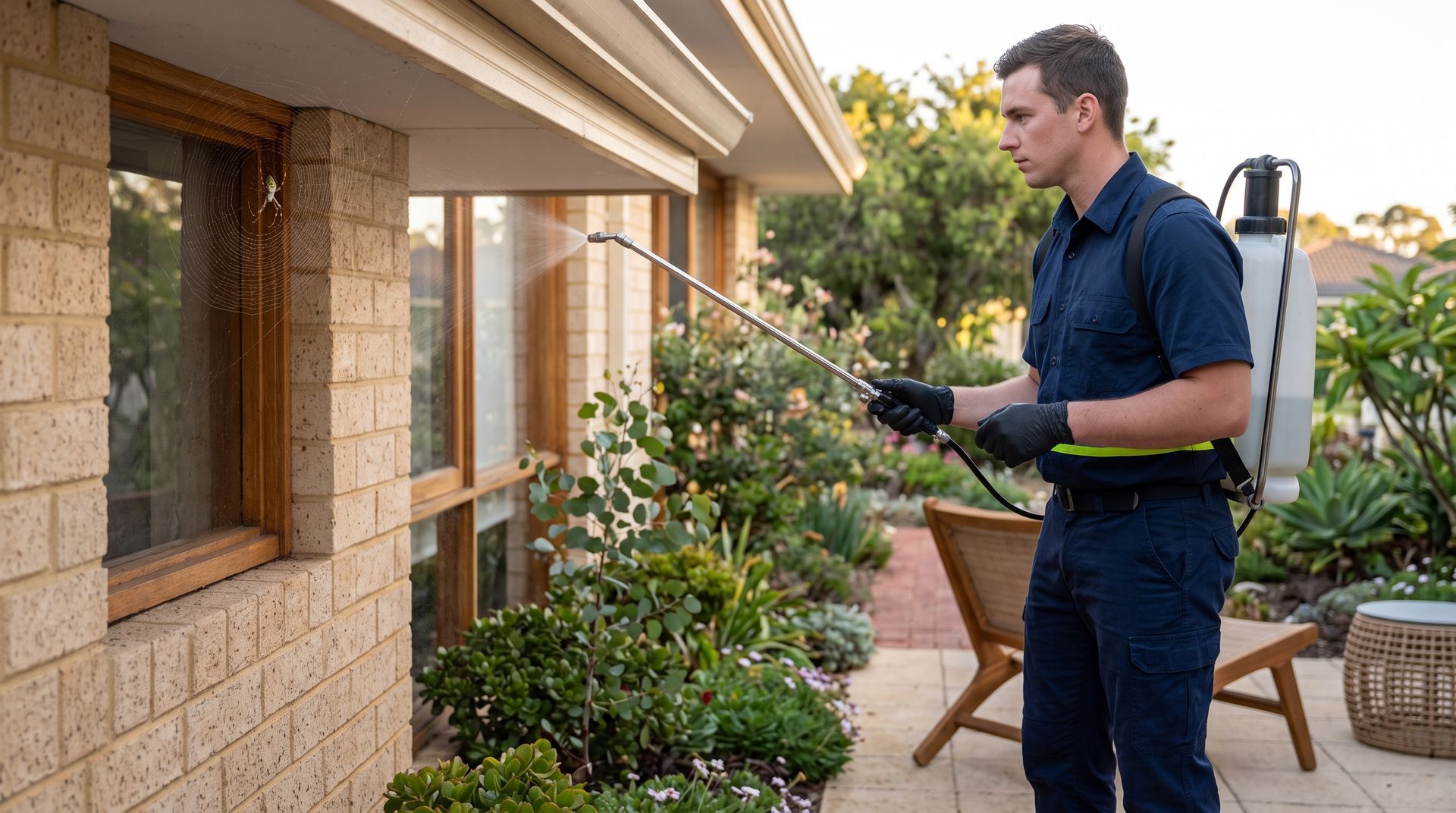
Effective Spider Treatment Methods for Homes and Gardens
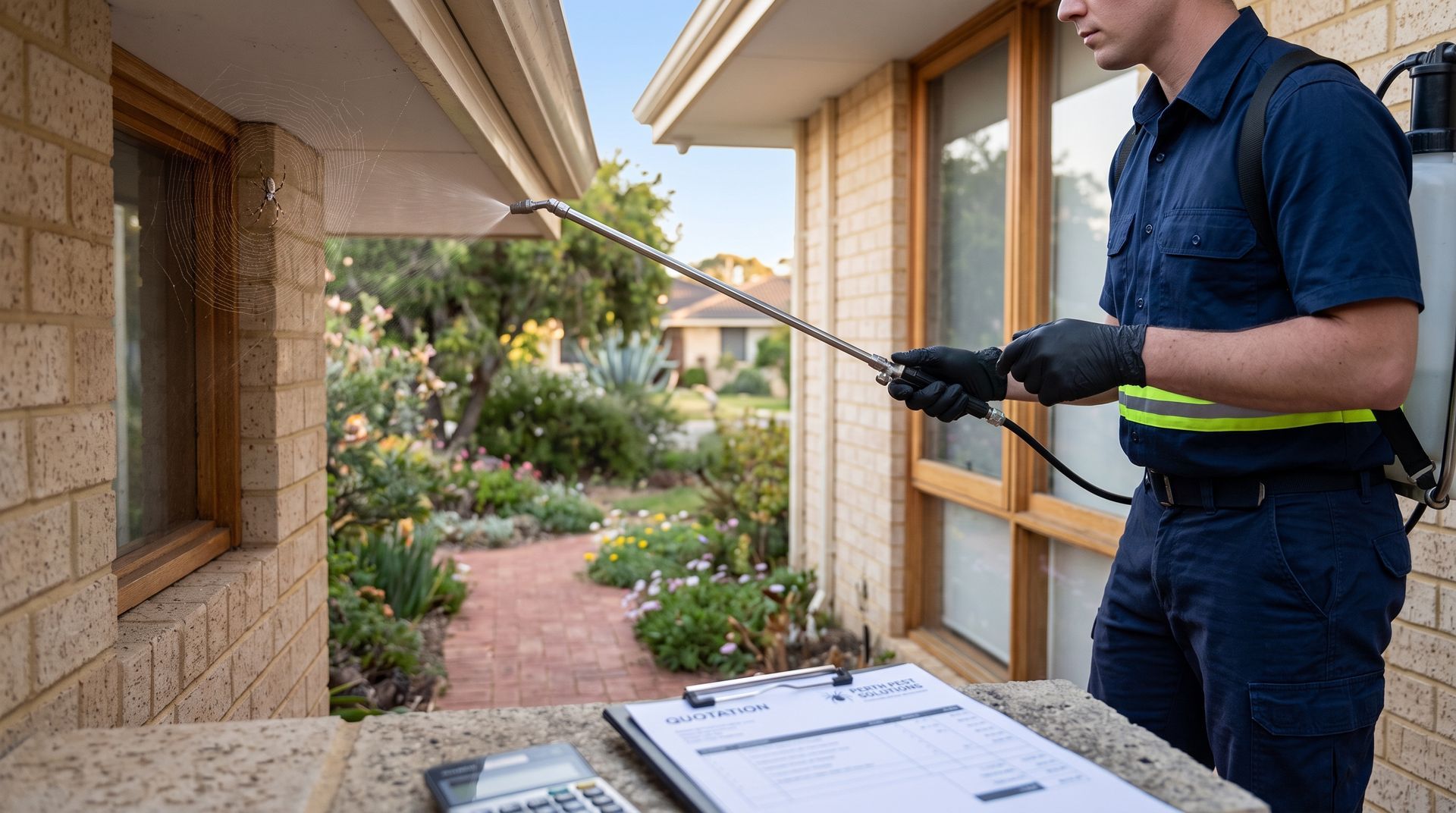
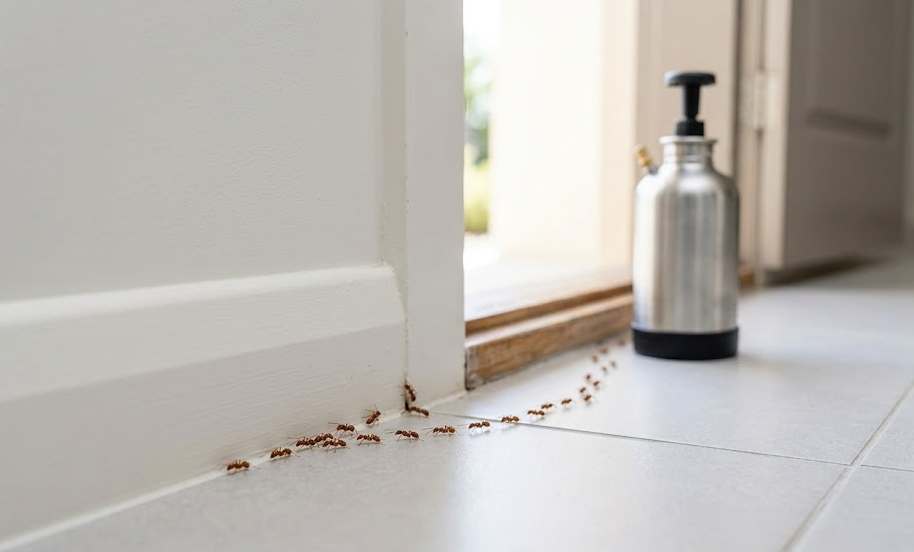
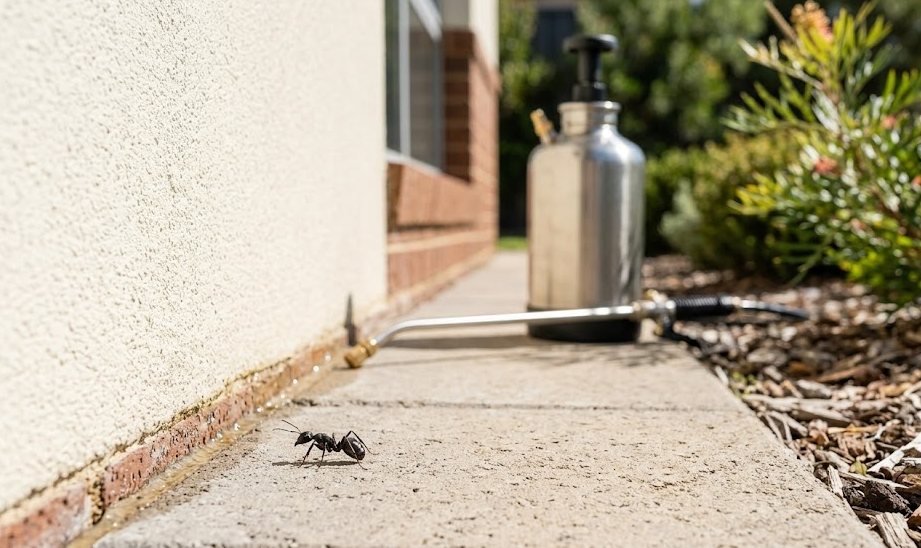
Are ants constantly appearing in your kitchen, office or outdoor areas no matter what you try? Ant infestations can be frustrating, disruptive and surprisingly persistent if not handled correctly. Whether you manage a home or a commercial premises, understanding the right steps to control the problem makes all the difference. At Stewarts Pest Control , we combine over 65 years of industry experience with safe, effective treatment methods across Perth and Western Australia. By following a structured, step-by-step approach, ant infestations can be controlled properly and prevented from returning. Step 1: Identify the Type and Source of the Infestation Before any effective solution can begin, it is essential to understand exactly what you are dealing with. Ant infestations are rarely random. They follow predictable patterns based on species behaviour, nesting habits and environmental conditions. Correct identification forms the foundation of successful ant control and treatment . Understand the Species Involved Different ant species behave differently. Some nest outdoors in soil or garden beds and simply enter properties in search of food. Others establish colonies within wall cavities, roof voids or under flooring. In Perth, black ants are common, but even within that category, nesting behaviour can vary. Identifying the species helps determine whether baiting, direct nest treatment or barrier applications are most appropriate. Misidentification often leads to ineffective solutions and recurring activity. Trace the Ant Trails Ants leave scent trails to guide others to food sources. Following these trails can provide valuable clues about entry points and nesting locations. Trails commonly appear along skirting boards, kitchen benches, window frames and external walls. Observing when and where ants are most active also provides insight. For example: Are they appearing mainly at night? Are they entering through cracks near windows? Is the activity focused near outdoor bins or garden beds? These patterns help pinpoint the source rather than just the symptom. Locate the Nesting Site The nest itself may be hidden in soil, beneath paving, within timber or inside structural cavities. Outdoor nests often appear as small mounds or disturbed soil near foundations. Indoor nests can be more difficult to detect and may require professional assessment. Eliminating visible ants without locating the colony rarely resolves the issue. The queen and breeding population remain active unless the nest is properly treated. Assess Environmental Attractants Food residue, moisture and easy access points all contribute to infestations. Kitchens, staff lunchrooms and commercial food preparation areas are common hotspots. Damp timber, leaking taps and poor drainage also create favourable nesting conditions. By identifying species, tracking activity and locating the nest, you create a clear starting point for effective control. Without this first step, any treatment risks being temporary rather than comprehensive Step 2: Eliminate Active Colonies Effectively Once the species and nesting source have been identified, the next step is to eliminate the colony properly. This stage is where many DIY attempts fall short. Simply spraying visible ants may reduce activity temporarily, but it rarely removes the underlying problem. True elimination requires a strategic approach. Target the Colony, Not Just the Workers Worker ants are only a small part of the colony. The queen and breeding ants remain protected deep within the nest. If they are not eliminated, the colony continues to grow and foraging activity resumes. Effective treatment focuses on delivering control measures back to the nest itself. This often involves baiting systems that ants carry back to the colony, ensuring the entire population is addressed rather than just surface activity. Choose the Right Treatment Method Treatment methods vary depending on species and nesting location. Options may include: Targeted baiting systems Direct nest applications Residual surface treatments Perimeter barrier applications Each method serves a specific purpose. For example, baiting works well for certain species that actively forage and share food within the colony. Direct treatment may be necessary when nests are accessible and clearly identified. A structured professional ant treatment service ensures the correct combination of methods is selected for long-term success. Consider Residential vs Commercial Needs Homes and businesses often require different treatment strategies. In residential settings, protecting family members and pets is a priority. In commercial environments, particularly food-related businesses, compliance and hygiene standards must be maintained. Professional technicians assess the setting carefully to ensure treatments are both effective and appropriate for the environment. Ensure Complete Eradication Elimination does not end once visible ants disappear. Monitoring activity after treatment confirms that the colony has been fully neutralised. In some cases, follow-up inspections are recommended to ensure no secondary nests remain active. By focusing on thorough elimination rather than quick fixes, infestations can be resolved properly and with lasting results. Step 3: Prevent Reinfestation Through Property Management Eliminating an active colony is only part of the solution. Long-term success depends on reducing the conditions that attracted ants in the first place. Prevention is not complicated, but it does require consistency and attention to detail. By making a few practical changes, both homeowners and businesses can significantly lower the risk of recurring infestations. Remove Food Sources and Scent Trails Ants are driven by access to food. Even tiny crumbs, sugary spills or grease residue can sustain a colony. Regular cleaning of benches, floors and food preparation areas reduces attraction points. In commercial settings, strict hygiene protocols are essential. This includes: Storing food in sealed containers Cleaning under appliances regularly Emptying bins frequently Avoiding overnight food exposure Wiping down surfaces also disrupts scent trails that guide ants back to food sources. Seal Entry Points and Structural Gaps Ants can enter through surprisingly small openings. Cracks around windows, door frames, plumbing lines and foundations provide easy access. Sealing these gaps with appropriate materials limits entry and makes it harder for colonies to establish themselves indoors. Routine inspections of external walls, skirting boards and service penetrations can identify vulnerable areas before they become a pathway for infestation. Manage Moisture and Outdoor Conditions Moisture attracts many ant species. Leaking taps, damp timber and poor drainage create favourable nesting environments. Ensuring proper ventilation and repairing plumbing issues promptly reduces appeal. Garden beds and mulch placed directly against building foundations can also provide shelter. Maintaining a small clearance between landscaping and exterior walls limits nesting opportunities close to the structure. Understand Getting Rid of Ants Requires Ongoing Attention Many people assume that getting rid of ants is a one-time event. In reality, ongoing vigilance is key. Monitoring for early signs of activity allows you to respond quickly before a small issue becomes widespread. Combining professional treatment with preventative property management provides the strongest defence. When food sources are limited, entry points are sealed and moisture is controlled, the likelihood of reinfestation decreases dramatically. A preventative mindset transforms ant control from reactive treatment into long-term protection for homes and businesses alike. Take Control of Ant Infestations with Confidence Are you ready to take control of ant infestations before they disrupt your home or business again? A structured, step-by-step approach makes all the difference. By identifying the source, eliminating colonies properly, strengthening prevention measures and maintaining regular monitoring, we can keep properties protected year-round. Acting early reduces risk, limits damage and avoids unnecessary stress. If you are noticing persistent activity or simply want reassurance, reach out to us today for clear advice and dependable support tailored to your property needs. Our experienced team delivers safe, effective solutions you can trust with confidence and lasting peace of mind.
The body content of your post goes here. To edit this text, click on it and delete this default text and start typing your own or paste your own from a different source.
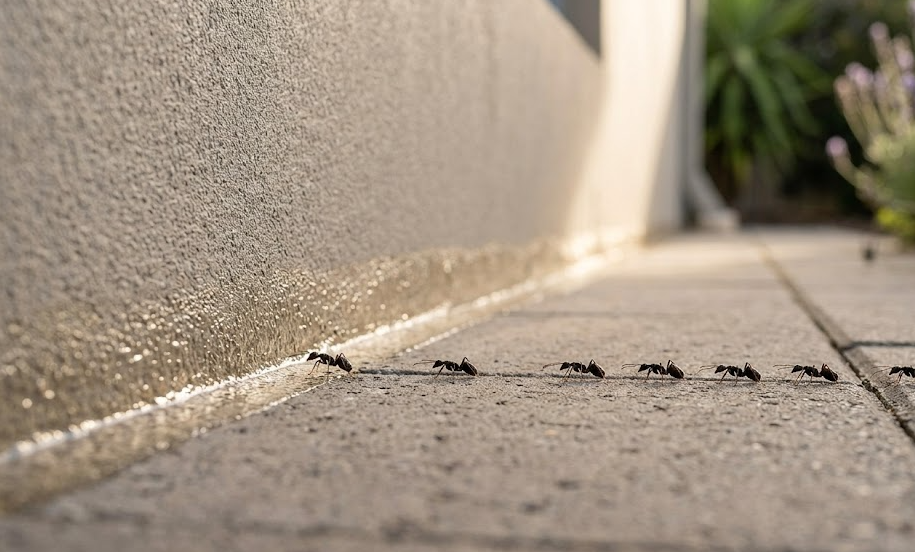
How long does Termidor last for ant control, and can you rely on it for lasting protection? When ants invade your home or business, you want a solution that works not just quickly but sustainably. Termidor is widely recognised as an effective treatment, but its longevity depends on how it is applied and the conditions surrounding your property. At Stewarts Pest Control , we have over 65 years of experience delivering safe and effective pest management across Perth and Western Australia. Understanding how this treatment works helps you make confident decisions about protecting your property. What Is Termidor and How Does It Work for Ant Control? Understanding how Termidor works helps explain why it is considered one of the most effective options for managing ant infestations. Rather than simply killing ants on contact, it targets the colony at its source. This difference is what makes the treatment particularly powerful. A Non-Repellent Formula That Ants Cannot Detect Termidor contains an active ingredient that ants cannot see, smell or taste. Because it is non-repellent, ants move through treated areas without avoiding them. This is important because it allows worker ants to come into contact with the product naturally. Unlike sprays that cause ants to scatter, a non-repellent approach prevents the colony from relocating. The ants continue their normal behaviour, unknowingly carrying the treatment back to the nest. The Transfer Effect Within the Colony One of the most effective features of Termidor is what is often referred to as the transfer effect. When worker ants contact the treated surface, they carry small amounts of the active ingredient back to the colony. Through grooming and food sharing, the treatment spreads from ant to ant. This process allows the product to reach the queen and other members of the colony that never leave the nest. Eliminating the queen is critical because she is responsible for reproduction. Without targeting the source, infestations often return. Suitable for Various Ant Species Termidor can be used as part of ant treatments for all types of ants , making it versatile for different infestation scenarios. Whether the issue involves black ants or other common species found across Perth, the treatment can be adapted based on behaviour and nesting patterns. Correct identification remains important. The treatment method and placement must be tailored to the specific species and property layout to achieve the best results. Applied as a Targeted Barrier In many cases, Termidor is applied as a perimeter treatment around buildings. This creates a treated zone that ants pass through as they enter or exit the property. Over time, the entire colony is affected. By focusing on colony elimination rather than surface control, Termidor provides a more strategic and long-lasting approach to ant management. How Long Does Termidor Typically Last? One of the most common questions homeowners and business operators ask is how long Termidor continues to work after application. The answer depends on where and how it is applied, but when used correctly, it is designed to provide long-lasting protection rather than a short-term fix. Residual Protection After Application Termidor is formulated to leave a residual barrier on treated surfaces. Once applied correctly, it can remain active for several months, continuing to affect ants that pass through the treated zone. In many residential settings, a properly applied treatment can provide protection for up to 12 months under suitable conditions. This longevity is one of the reasons it is widely trusted for perimeter treatments. Rather than requiring frequent reapplication, it continues working silently in the background. Indoor vs Outdoor Longevity Indoor applications often last longer than outdoor treatments. Inside a property, treated surfaces are protected from rainfall, direct sunlight and extreme temperature fluctuations. This allows the active ingredient to remain stable and effective for an extended period. Outdoor treatments, while still durable, may be influenced by environmental exposure. Areas exposed to heavy rain, irrigation systems or intense sunlight can experience a gradual reduction in effectiveness over time. Environmental Conditions in Perth Perth’s climate can influence how long a treatment remains active. High temperatures, UV exposure and seasonal storms can impact outdoor surfaces. However, when applied to appropriate areas such as shaded perimeter zones and structural entry points, the product maintains strong residual performance. Proper surface preparation also plays a role. Clean, stable surfaces allow the treatment to bind effectively and remain in place. Why Professional Application Matters The duration of effectiveness is closely linked to the correct application. Accurate placement along entry points and nesting pathways ensures ants continue to encounter the treated barrier. When applied strategically, Termidor provides ongoing control rather than temporary suppression. By understanding these factors, property owners can feel confident that a professionally applied treatment delivers reliable and lasting protection against ant infestations. What Factors Affect How Long Termidor Remains Effective? While Termidor is designed to provide long-lasting protection, several practical factors influence how long it remains effective in real-world conditions. Understanding these variables helps property owners appreciate why professional assessment and correct application are so important. Surface Type and Application Area The type of surface being treated plays a significant role in longevity. Porous surfaces, such as unsealed concrete or soil can absorb product differently compared to smooth, sealed surfaces. This can influence how evenly the treatment binds and how long it remains active. Application along structural entry points, foundation lines and shaded perimeter zones generally delivers stronger and more consistent results. Proper placement ensures ants are likely to pass through treated areas as part of their natural movement patterns. Weather and Environmental Exposure Outdoor treatments are naturally exposed to environmental elements. Heavy rainfall, irrigation systems and prolonged sun exposure can gradually reduce residual effectiveness over time. In Perth’s climate, strong UV exposure and seasonal storms may influence how long the barrier remains at peak performance. Strategic application in protected zones helps minimise environmental impact and extend the life of the treatment. Infestation Severity and Colony Size The size and maturity of the colony also affect perceived longevity. Large or well-established colonies may take longer to eliminate fully. During this time, activity may still be visible as the treatment spreads through the population. In some cases, follow-up monitoring is recommended to confirm the colony has been completely neutralised. Addressing high activity areas thoroughly during the initial visit supports long-term control. The Importance of Professional Expertise A professional and reliable ant control service ensures that the product is applied accurately, at the correct concentration and in the most effective locations. Incorrect dilution, poor placement or incomplete coverage can shorten the lifespan of the treatment. Experienced technicians understand how environmental conditions, structural design and ant behaviour interact. By tailoring the application to each property, we maximise effectiveness and extend the duration of protection. When these factors are carefully managed, Termidor continues working as intended, providing consistent defence against ant reinfestation. Is One Treatment Enough to Solve an Ant Infestation? Many property owners hope that a single application will permanently eliminate an ant problem. In many cases, one properly executed treatment is highly effective. However, whether it is sufficient depends on the scale of the infestation, the species involved and the surrounding environment. Colony Size and Structure Smaller, recently established colonies are often eliminated with one thorough application. When the treatment reaches the queen and breeding population, the colony collapses naturally over time. Larger or mature colonies may require more monitoring. Some species establish multiple satellite nests connected to a primary colony. While the initial treatment may significantly reduce activity, technicians may recommend follow-up inspections to ensure no secondary nests remain active. Environmental and Structural Factors Properties with heavy vegetation, nearby gardens or neighbouring infestations can experience reinvasion. Ants are highly adaptable and will relocate if conditions allow. For commercial premises, particularly those handling food, the risk of reinfestation can be higher due to constant access to attractants. Ongoing monitoring in these environments supports consistent protection. Signs That Additional Treatment May Be Needed In most cases, ant activity reduces noticeably within days of application. However, you may observe: Continued trails beyond two weeks New activity in untreated areas Ants relocating to different sections of the property These signs do not necessarily mean the treatment failed. Instead, they may indicate that additional areas require targeted application. Long-Term Success Through Monitoring The goal is not simply to reduce visible ants but to fully eliminate the colony and prevent recurrence. In many residential situations, one comprehensive application achieves this outcome. If activity persists or returns, prompt assessment ensures the issue is addressed quickly and effectively. When managed properly, we can solve your ant problem today and provide lasting reassurance that the infestation has been controlled at its source. By combining correct application with professional oversight, most properties achieve strong and durable results without repeated disruption. Lasting Protection Starts with the Right Treatment How confident are you that your current ant treatment will continue protecting your property in the months ahead? When applied correctly, termidor provides a strong and lasting defence against ant infestations. Its effectiveness depends on accurate placement, environmental conditions and proper follow-up when required. By understanding how it works and how long it lasts, you can make informed decisions about protecting your home or business. If you want reliable guidance and proven results tailored to your situation, contact us today to arrange a professional assessment and take the next step towards long-term ant control .

Termite treatment costs in Perth can vary significantly, ranging from as low as $250 for localised spot treatments to over $5,000 for full-property protection. The final price depends on factors like the severity of the termite infestation, the size of your property, and the type of termite treatment required. Whether you’re dealing with a small termite problem or need comprehensive eradication, it’s crucial to understand the different cost factors and treatment options. Key Factors That Affect Termite Treatment Costs Pest Severity The extent of the termite infestation plays a significant role in determining treatment costs. If the infestation is severe, it may require more extensive and repeated professional termite treatments, driving up the overall expense. Early detection can help keep costs lower, as a minor issue will be easier and cheaper to treat than a widespread infestation of destructive termite species such as the subterranean termites. Property Size Larger properties require more materials, labour, and often more complex procedures, which can increase the cost of termite control. A larger home may need more chemical treatments, longer treatment times, and additional monitoring, all of which add to the overall price. Construction Type The type of construction of your home affects the treatment process and, consequently, the cost. Homes with slab foundations may require different treatment methods compared to homes with subfloors, as the approach to treating each structure can vary in complexity and labour requirements. A physical termite barrier may be needed for certain types of construction. Location and Accessibility The location of your home and how easily it can be accessed also impact the cost of termite control services. If your property is difficult to access, the pest control company may need additional equipment or labour to reach the affected areas, increasing the overall cost. Different Types of Termite Treatments and Their Costs Chemical Termite Barriers Chemical barriers are one of the most popular and effective solutions for termite control. They generally cost between $2,000 and $5,000 - depending on the size of the property and the treatment area. Chemical treatments often range from $30 to $80 per linear metre, depending on the product and the application process. These termite barriers are applied around the property’s perimeter to prevent termite presence and protect the home from future infestations, providing long-term protection. Termite Baiting Systems Termite baiting systems are a long-term, proactive treatment option, costing between $1,500 and $4,500 - These systems are designed to attract termites, which then spread the toxic bait back to their colony, leading to the colony’s demise. Baiting systems are typically installed around the property and require periodic monitoring to ensure proper drainage and effectiveness. Spot Treatment (Foam/Dust/Spray) For smaller infestations, spot treatments offer a cost-effective solution, typically priced between $250 and $850 . These treatments involve the application of foam, dust, or spray directly to affected areas, targeting active termite activity. While spot treatments are less expensive, they may not provide long-term protection, especially in cases of widespread termite infestation. Full Property Fumigation In extreme cases of termite infestation, full property fumigation may be necessary, costing up to $5,000 and this comprehensive treatment involves sealing the home and releasing a fumigant to eradicate termites throughout the entire property. Fumigation is typically reserved for severe infestations that cannot be managed through other termite control methods. Termite Control Costs Termite inspections are an essential first step in identifying the presence of termites. Inspections typically range from $250 to $600, depending on the size of the property, the method used (e.g., thermal imaging), and the expertise of the professional termite control services. Regular termite inspections help identify early signs of termite presence, which can save homeowners from costly repairs in the long run. Can Termite Treatment Costs Be Covered by Home Insurance? Unfortunately, most home insurance policies in Australia do not cover the costs of termite treatment or the damage caused by termites . Termites are typically considered a maintenance issue, and home insurance policies usually exclude pests and vermin from their coverage. This is because homeowners are generally expected to maintain their property and manage pests like termites as part of regular upkeep. It’s important to check your insurance policy to confirm coverage, but in most cases, termite damage will need to be covered out of pocket. How to Save on Termite Treatment Costs Opt for Preventative Measures Investing in termite prevention measures is often much cheaper than dealing with a full infestation. Annual termite inspection s or the installation of a termite barrier might cost less initially, but can save you from extensive damage and costly repairs down the track. Termite prevention is key to avoiding the need for expensive treatments later on. Maintain Your Home Regular home maintenance is essential to help prevent termite infestations and reduce the need for costly treatments. Simple tasks such as clearing out wood piles, ensuring proper drainage around your property, and sealing any gaps in the structure can make a significant difference in preventing termites from setting up camp in your home. Struggling with Termites? Contact Stewarts Pest Control Today! Termite infestations can lead to extensive damage if not addressed quickly, and treatment costs can vary based on factors like the severity of the infestation and your property's size. Whether you need a simple spot treatment or a comprehensive fumigation, it’s important to understand your options. Preventative measures and regular inspections can save you money in the long run. If you suspect termites are causing problems in your home, don’t wait. Contact us today for a professional pest control service tailored treatment plan to protect your property.
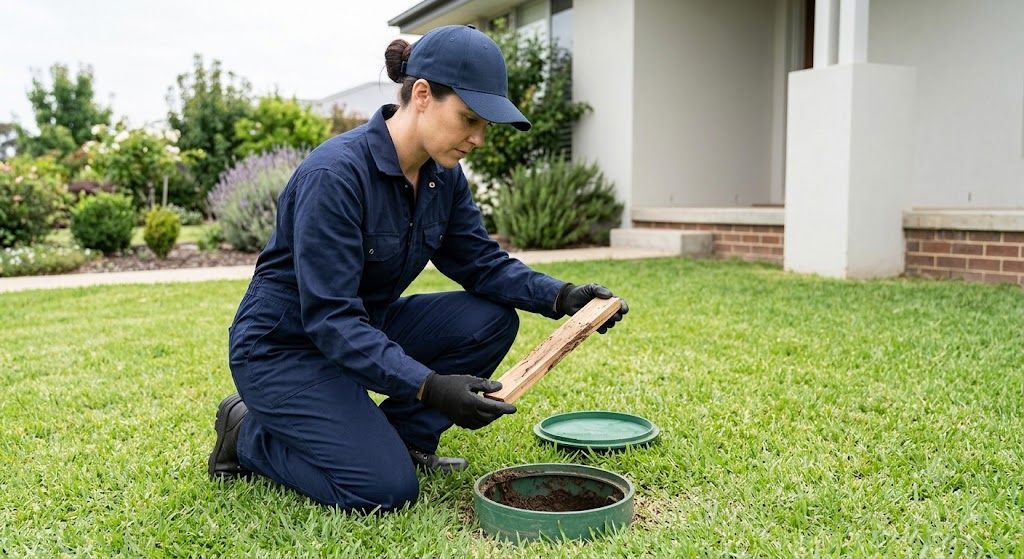
The body content of your post goes here. To edit this text, click on it and delete this default text and start typing your own or paste your own from a different source.
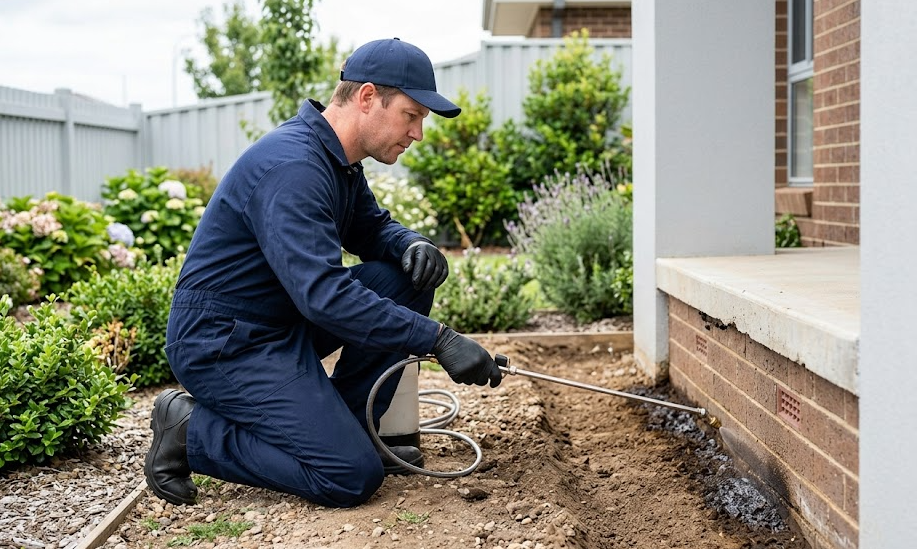
Wondering how long termite treatment lasts? Learn what affects its lifespan, from treatment type to soil conditions, and when to schedule a re-treatment.

Have you ever spotted a cockroach in your home and immediately wondered how much it's going to cost to sort out? You're not alone. It's one of the most common questions we hear from Perth homeowners, and the honest answer is that pricing isn't one size fits all. There are quite a few factors that influence what you'll pay, and understanding them helps you make a smarter decision for your home and your budget. This blog walks you through everything you need to know before booking trusted pest control for cockroaches in your area. What Affects the Cost of Cockroach Pest Control? If you've ever called around for pest control quotes and received wildly different numbers, you're not imagining things. Cockroach treatment pricing genuinely varies, and for good reason. There's no universal formula because no two infestations are the same. A handful of cockroaches spotted in a studio apartment is a very different beast from a full-blown infestation taking over a four-bedroom family home. Let's unpack the main factors that shape what you'll end up paying. The Size of Your Property: More Space, More Ground to Cover This one is fairly straightforward. Larger homes require more product, more time, and more labour to treat thoroughly. A pest technician treating a compact unit can typically complete the job in a fraction of the time it takes to work through a sprawling double-storey home with a subfloor, roof void, and multiple bathrooms. Most pest control companies price their treatments on a tiered system based on property size, so it's always worth mentioning your home's approximate size when requesting a quote. How Bad Is the Infestation, And How Long Has It Been Going On? The severity of an infestation is one of the biggest cost drivers of all. A minor problem caught early is generally quicker and more straightforward to resolve. A well-established colony that's had months, or even years, to spread through wall cavities, behind appliances, and into hard-to-reach spaces is a different challenge entirely. Severe infestations often require multiple treatment visits, a combination of chemical methods, and more time on site, all of which add to the overall cost. This is actually one of the strongest arguments for acting quickly, the moment you notice cockroach activity. The longer you wait, the more complex and costly the solution tends to become. Species Matter More Than You'd Think Not all cockroaches are created equal, and the species present in your home influences both the treatment approach and the price. German cockroaches, for example, are notoriously difficult to eliminate due to their rapid breeding cycle and tendency to develop chemical resistance. They often require a more intensive treatment strategy, including gel baits, residual sprays, and follow-up visits, compared to larger species like American or Australian cockroaches, which are generally easier to bring under control. One Visit or Ongoing Protection: Choosing the Right Plan Some infestations can be resolved in a single visit. Others genuinely benefit from a follow-up treatment a few weeks later to catch any cockroaches that hatched after the initial application. Beyond that, many Perth homeowners opt for an ongoing pest management plan that covers cockroaches alongside other common household pests throughout the year. These plans typically offer better long-term value than booking individual one-off treatments each time a problem crops up. When you work with professionals who know how to treat cockroach infestations effectively, they'll give you an honest assessment of what your specific situation actually calls for, rather than upselling you on services you simply don't need. Your Location Within Australia Pest control pricing isn't uniform across the country. Labour costs, product availability, and local market conditions all play a role in what you'll pay depending on where you live. Perth pricing sits comfortably within the national average, though it can differ from what you might find quoted on eastern states' websites. Always seek quotes from local companies that understand the Perth market and the specific cockroach species common to our region. Average Cockroach Treatment Costs in Australia Let's talk numbers, because at the end of the day, that's what most people really want to know. While we'd love to give you one neat figure and call it a day, the reality is that cockroach treatment costs vary depending on the factors we covered above. What we can do is give you a solid ballpark so you know roughly what to expect when you pick up the phone for a quote. Small Apartments and Units: A More Manageable Starting Point For a compact apartment or unit, a one-off professional cockroach treatment typically falls somewhere in the range of $150 to $250. Smaller spaces mean less product and less time on site, which naturally keeps costs lower. That said, don't let the smaller price tag fool you into thinking the job is any less thorough. A good technician will still inspect harbourage points, apply treatments to all the right areas, and give you clear aftercare advice before they leave. German cockroach infestations in apartments can push this price higher, particularly in kitchen and bathroom areas where they tend to congregate. If you're in a multi-unit building, it's also worth considering whether neighbouring units might be contributing to the problem , something worth raising with your property manager. Family Homes: The Most Common Scenario We See For an average three to four-bedroom family home, professional cockroach treatment generally costs somewhere between $250 and $400 for a one-off visit. This range accounts for the additional space, the variety of harbourage areas a larger home presents, and the time required to treat everything properly. Homes with subfloor spaces, roof voids, or large outdoor entertaining areas may sit toward the higher end of that range, as these areas require additional attention. It's also worth factoring in whether a follow-up visit is recommended; many technicians will suggest one around four to six weeks after the initial treatment to catch any newly hatched cockroaches that survived the first round. Larger Homes and Commercial Properties: A Tailored Approach For larger residential properties or commercial spaces such as cafes, restaurants, and offices, pricing becomes more customised. These environments typically involve more complex treatment requirements, stricter health and safety considerations, and often a scheduled ongoing management plan rather than a simple one-off visit. Commercial cockroach treatments can range anywhere from $300 to well over $600, depending on the size of the premises, the nature of the business, and the frequency of service required. For food-related businesses especially, regular professional treatments aren't just a good idea; they're often a legal requirement under Australian food safety standards. One-Off Treatments vs. Ongoing Pest Management Plans A one-off treatment is a great starting point for a minor or first-time infestation. But for homeowners who want consistent, year-round protection, an ongoing pest management plan is almost always a better value in the long run. These plans bundle regular inspections and treatments across multiple pest types, cockroaches, ants, spiders, and more, at a reduced per-visit rate compared to booking each service individually. Our cockroach removal experts are always happy to walk you through which option makes the most sense for your home and your budget, no pressure, no confusing jargon, just straightforward advice from people who genuinely know their stuff. What's Actually Included in a Professional Cockroach Treatment? Here's something worth thinking about when you're comparing quotes: price alone doesn't tell the whole story. A cheaper quote might look appealing on the surface, but if it means a rushed inspection, a generic treatment, and zero aftercare advice, you're probably not getting great value. Understanding what a thorough professional treatment actually involves helps you ask the right questions and recognise quality service when you see it. It Starts With a Proper Inspection, Not Just a Spray and a Wave Goodbye A good cockroach treatment begins well before any chemical is applied. Your technician should take the time to inspect your home thoroughly, checking under sinks, behind appliances, inside cupboards, along skirting boards, and in any other areas where cockroaches are likely to be hiding or breeding. This isn't just a formality. The information gathered during the inspection directly shapes the treatment plan and determines which products and methods will be most effective for your specific situation. This is also the stage where species identification happens. As we've covered, different cockroach species respond to different treatments, so knowing exactly what you're dealing with from the outset makes a real difference to the outcome. A Treatment Plan Tailored to Your Home Once the inspection is complete, a professional technician will put together a treatment approach that's specific to your home, not a generic plan pulled from a template. This might involve a combination of residual sprays applied to high-traffic cockroach zones, gel baits placed in concealed harbourage areas, and dusts applied inside wall cavities or subfloor spaces where cockroaches like to nest. The right combination depends on the species present, the severity of the infestation, the layout of your home, and whether there are any sensitive areas to consider, such as households with young children, pets, or family members with allergies. A one-size-fits-all approach simply doesn't cut it when you're dealing with a pest as adaptable as the cockroach. The Treatment Itself, Precise, Targeted, and Thorough During the treatment, your technician will work methodically through your home, applying products in exactly the right locations and concentrations. This isn't a matter of spraying everything in sight and hoping for the best. Professional treatments are precise by design, targeting the areas cockroaches actually use while minimising unnecessary chemical exposure throughout the rest of your home. Depending on the treatment plan, this might also include the application of insect growth regulators to disrupt the cockroach breeding cycle, ensuring the infestation is tackled at every life stage rather than just knocking down the adults currently visible. Aftercare Advice and Follow-Up Support A thorough treatment doesn't end when the technician walks out the door. You should expect clear, practical aftercare advice covering things like how long to keep children and pets away from treated areas, which surfaces to avoid mopping for a few weeks, and what signs to watch for in the days following the treatment. At Stewarts Pest Control, we've been looking after Perth homes since 1954, and we know that good communication is just as important as the treatment itself. If you have questions after we leave, we're always just a phone call away. That's the kind of service that comes from being a family business, one that genuinely cares about the people it works with, not just the job at hand. Is It Worth Paying for Professional Cockroach Control? We completely understand the temptation to grab a can of spray from the supermarket and handle things yourself. It's cheaper upfront, it's convenient, and it feels good to take matters into your own hands. But here's the honest truth: when it comes to cockroaches, DIY solutions almost always cost more in the long run than simply calling a professional from the start. Let us explain why. The Real Cost of DIY, It Adds Up Faster Than You Think A can of cockroach spray might set you back $10 to $20. A cockroach bait station kit from the hardware store might cost another $30. And when those don't fully solve the problem, which they often don't, you're back at the shop buying more products, trying different brands, and spending more weekends dealing with a problem that just won't quit. Add up three or four rounds of retail products over several months, plus the time and frustration involved, and you've often spent close to what a single professional treatment would have cost, without actually resolving the infestation. Meanwhile, the cockroach population has had extra time to grow, spread, and potentially develop resistance to the chemicals you've been throwing at them. Health Risks You Really Don't Want to Ignore Beyond the financial side of things, there's a genuine health argument for dealing with cockroaches quickly and effectively. Cockroaches are known carriers of bacteria, including Salmonella and E. coli, and their droppings, shed skins, and saliva are well-documented triggers for asthma and allergies, particularly in children. An untreated infestation doesn't just stay contained to the kitchen. Over time, cockroaches move through your entire home, contaminating food preparation surfaces, utensils, and pantry items along the way. The longer an infestation goes unaddressed, the greater the health risk to everyone living under your roof. That's not something that's easy to put a dollar figure on. When DIY Simply Isn't Enough There's a point in every infestation where DIY stops being a viable option, and that point arrives sooner than most people expect. If you're seeing cockroaches during the day, finding droppings in multiple rooms, or noticing a musty odour in areas of your home, these are signs that the infestation has grown well beyond what retail products can handle. Knowing when to call a cockroach exterminator isn't admitting defeat; it's making a smart, practical decision that protects your home, your family, and your budget. The sooner a professional gets involved, the simpler and more affordable the solution tends to be. Professional Treatment Is an Investment, Not Just an Expense It's worth reframing the way we think about pest control costs. A professional cockroach treatment isn't money spent on a problem; it's money invested in your home and the people who live in it. A thorough, well-executed treatment resolves the infestation properly, reduces the likelihood of it returning, and gives you genuine peace of mind that the job has been done right. When you factor in the health benefits, the time saved, and the avoidance of repeated failed DIY attempts, professional treatment almost always represents far better value than it might appear at first glance. Get More Bang for Your Buck: How to Maximise Your Cockroach Treatment So you've decided to go with a professional treatment; great choice. But here's something not enough people talk about: the outcome of your cockroach treatment isn't entirely in the hands of your pest technician. There's quite a bit you can do before, during, and after the visit to make sure you're squeezing every bit of value out of the service. Think of it as a team effort, your technician brings the expertise and the products, and you set the stage for the best possible result. Prepare Your Home Before the Technician Arrives A little preparation goes a long way. Before your technician shows up, take some time to clear out the areas most likely to be treated. This means pulling things out from under the kitchen sink, clearing lower cupboards where cockroaches tend to hide, and moving appliances away from walls where possible. The more accessible your technician can get to harbourage areas, the more thorough and effective the treatment will be. It also helps to give your kitchen a good clean beforehand, wiping down benchtops, cleaning up any food debris, and making sure rubbish bins are emptied. Cockroaches are attracted to food sources, and removing those temptations before treatment means the bait and chemical applications become the most attractive thing in the room. Follow the Aftercare Instructions, Every Single One This is where a lot of homeowners inadvertently undo good work. After a professional treatment, your technician will give you a set of aftercare instructions, and following them carefully makes a real difference to the long-term outcome. Some of the most important ones include: Avoiding mopping along skirting boards and floor edges for at least two to three weeks after treatment, as this removes the residual chemical barrier your technician has put in place Keeping children and pets out of treated areas until all surfaces are fully dry Resisting the urge to spray retail products over treated areas, as this can interfere with professional-grade chemicals and disrupt bait stations Reporting any significant cockroach activity to your technician in the weeks following treatment, so they can assess whether a follow-up visit is needed Ask the Right Questions When Getting a Quote Not all pest control quotes are created equal, and knowing what to ask up front saves you from nasty surprises down the track. When you contact a pest control company, consider asking: What species are you treating for, and how does that shape your approach? Does the quote include a follow-up visit if needed? What products will you be using, and are they safe for children and pets? How long will the treatment remain effective? Do you offer ongoing pest management plans, and what do they cover? A company that answers these questions openly and thoroughly, without making you feel rushed or dismissed, is one worth trusting with your home. Consider an Ongoing Pest Management Plan If cockroaches have been a recurring issue in your home, a one-off treatment might solve the immediate problem but leave you vulnerable to another infestation down the track. An ongoing pest management plan offers scheduled treatments throughout the year, keeping cockroaches and other common household pests under control before they get the chance to establish themselves. These plans are typically more cost-effective than booking individual treatments reactively, and they give you the comfort of knowing your home is being looked after consistently, not just when things get bad enough to notice. As a family business with over 70 years of experience looking after Perth homes, Stewarts Pest Control offers straightforward, honest advice on the best plan for your situation. Whether you need a single visit or year-round protection, we'll help you find an approach that works for your home and your budget, because that's just how we do things. The Smart Perth Homeowner's Final Word on Cockroach Control Costs Is the cost of professional cockroach control starting to make a lot more sense now? When you look at the full picture, the thoroughness of the inspection, the tailored treatment plan, the quality of the products used, and the aftercare support that comes with it, professional treatment isn't an expense to think twice about. It's a genuinely smart investment in your home and the people you share it with. If you're ready to stop guessing and start solving the problem properly, our team is here and happy to help. Welcome to the Stewarts' family.
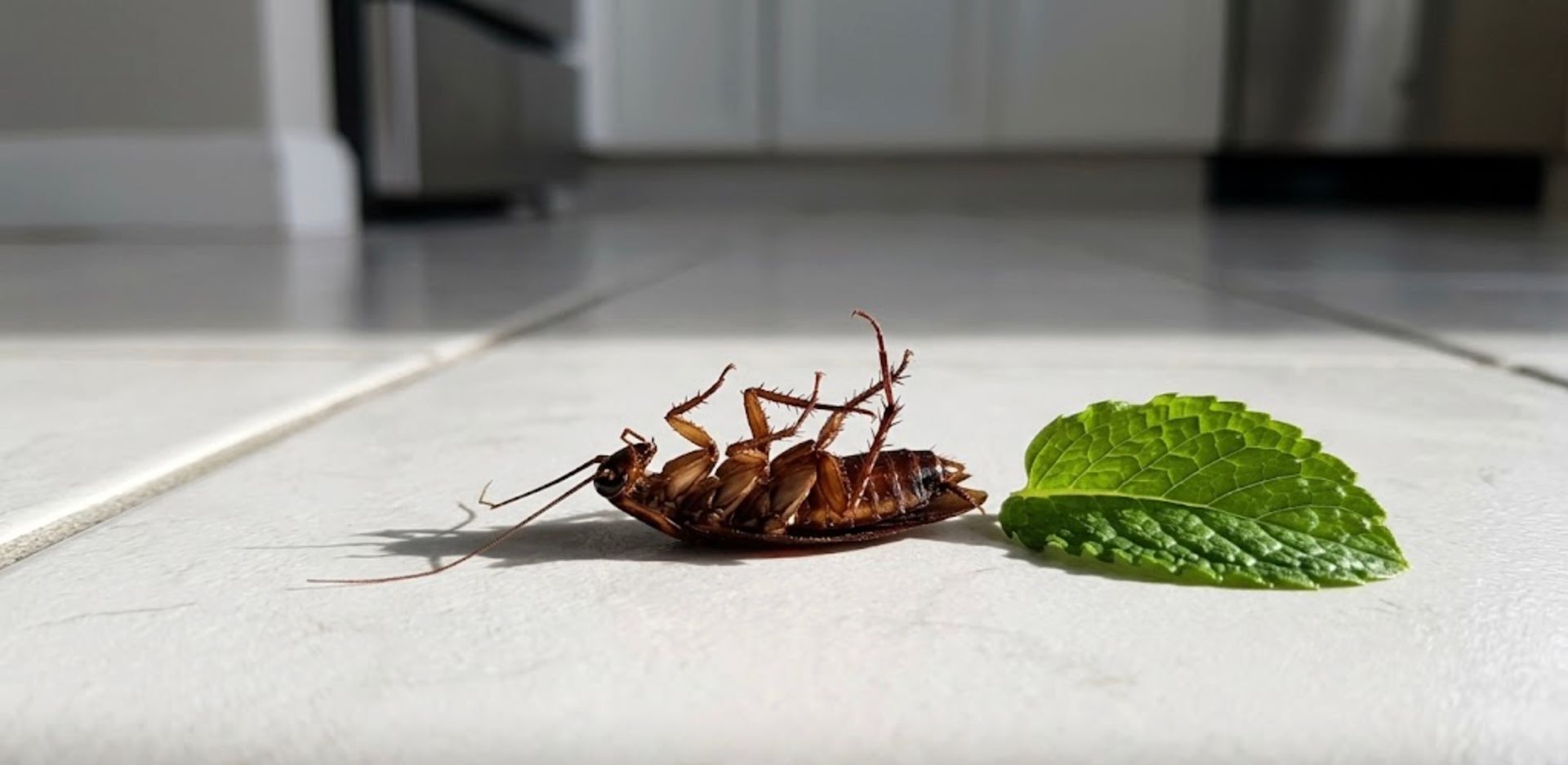
Have you ever booked a pest control service and wondered what exactly happens between the technician walking through your front door and those cockroaches disappearing for good? You're not alone; most people have no idea what goes on behind the scenes, and that's completely understandable. Pest control can feel like a bit of a mystery if you've never had it explained properly. In this blog, we're pulling back the curtain and walking you through the whole process from start to finish, so you know exactly what to expect when you call on local cockroach control professionals to take care of business. Step One, The Inspection: Where It All Begins Before a single drop of chemical is applied, your pest technician will do something that separates a truly professional service from a rushed, generic one: they'll take the time to properly inspect your home. This might sound like a small thing, but it's genuinely the most important step in the entire process. A thorough inspection is what makes everything that follows actually work. Getting Into the Nooks and Crannies Cockroaches are experts at staying hidden. They squeeze into wall cavities, tuck themselves behind appliances, nestle inside cupboard hinges, and set up camp in the warm, dark spaces most of us never think to look. During the inspection, your technician will methodically work through your home, checking all of these areas, under sinks, behind fridges and dishwashers, inside bathroom vanities, along skirting boards, and anywhere else cockroaches are likely to be harbouring. This isn't a quick walk-through. A proper inspection takes time, and a good technician won't rush it. The more thoroughly your home is assessed, the more targeted and effective the treatment will be. What Technicians Are Actually Looking For It's not just about spotting live cockroaches. During the inspection, your technician is looking for a range of tell-tale signs that paint a full picture of the infestation: Live cockroaches, particularly in harbourage areas Droppings, which look like small dark specks or smears, depending on the species Egg cases, known as oothecae, which indicate active breeding Shed skins left behind as cockroaches grow through their life stages Musty or oily odours that signal a well-established colony nearby Entry points such as gaps around pipes, cracks in walls, and poorly sealed doors Each of these clues helps your technician build a clear picture of what's happening inside your home and where the infestation is centred. Why the Inspection Shapes Everything That Follows The findings from the inspection directly determine the treatment plan. Without this step, a technician is essentially guessing, applying products in areas that may not be relevant, while missing the places where cockroaches are actually living and breeding. That's a recipe for a treatment that delivers short-term results at best. Knowing how to properly handle a roach infestation starts with understanding exactly what you're dealing with. A detailed inspection ensures that every decision made from this point forward is based on real evidence rather than assumption, and that makes all the difference to the final outcome. Step Two: Identifying the Species and Scope of the Problem Once the inspection is complete, your technician will have a much clearer picture of what's going on inside your home. But knowing cockroaches are present is only half the story. The next step is figuring out exactly which species you're dealing with and how far the infestation has spread, because both of these factors have a significant impact on how the treatment is approached. Why Species Identification Is More Important Than You'd Think It might be tempting to assume a cockroach is a cockroach, but that's a little like saying all weeds are the same. Different species have different behaviours, different breeding rates, different preferred habitats, and different responses to various chemical treatments. Applying the wrong treatment for the wrong species doesn't just waste time and money; it can actually make the problem harder to solve by giving the infestation more time to grow and spread. Getting species identification right from the start is one of the clearest signs you're working with someone who genuinely knows what they're doing. Perth's Most Common Cockroach Species Here in Perth, there are three species our technicians encounter most regularly: German cockroaches : Small, light brown, and absolutely prolific breeders. These are the ones most commonly found in kitchens, bathrooms, and food preparation areas. They live in tight colonies, breed rapidly, and have a well-documented tendency to develop resistance to certain chemical classes. They require a particularly targeted and often intensive treatment approach. American cockroaches : Much larger and reddish-brown in colour. These tend to prefer subfloor spaces, roof voids, drains, and other damp, dark environments. They're strong fliers and can cover significant ground, which is why they're often spotted moving between indoor and outdoor areas. Australian cockroaches : Similar in appearance to the American cockroach but slightly smaller. They favour outdoor environments and plant matter but regularly venture inside during warmer months in search of food and shelter. Each of these species calls for a tailored response, which is why a technician who can confidently identify what they're looking at is such a valuable asset. Assessing the Scope: How Big Is the Problem Really? Beyond species identification, your technician will assess just how extensive the infestation actually is. This involves piecing together the evidence gathered during the inspection, the number of live cockroaches spotted, the distribution of droppings and egg cases, the location of harbourage points, and any signs of activity in multiple areas of the home. A minor infestation caught early might be resolved with a single well-targeted treatment visit. A more established colony that's had time to spread through wall cavities and multiple rooms will likely require a more intensive approach, potentially including follow-up visits to ensure the problem is fully resolved. Understanding the scope also helps manage expectations honestly. If your technician identifies a significant infestation, they'll tell you upfront what the treatment process looks like and roughly how long it will take to see full results, rather than overpromising and underdelivering. From Assessment to Action With species identified and scope understood, your technician now has everything they need to put together a treatment plan that's genuinely tailored to your home. This is exactly the kind of thorough, considered approach that helps fix ongoing cockroach issues properly rather than applying a temporary patch that leaves the door open for the infestation to bounce back a few weeks later. Step Three: Choosing and Applying the Right Treatment This is the part most people picture when they think about pest control, and while it might look straightforward from the outside, there's a lot of careful decision-making that goes into it. By this point, your technician knows which species they're dealing with, how extensive the infestation is, and which areas of your home are most affected. Now it's time to put that knowledge to work and choose the right combination of treatments to get the job done properly. Residual Sprays, Building a Chemical Barrier Residual sprays are one of the most commonly used tools in a professional cockroach treatment. These are applied to surfaces that cockroaches regularly travel across , skirting boards, wall junctions, behind appliances, inside cupboards, and along the edges of floors. The idea is to create a treated zone that cockroaches can't move through without picking up a lethal dose of chemical. What makes residual sprays particularly effective is their staying power. Unlike a contact spray that loses its effect once it dries, a professionally applied residual treatment continues working for weeks after application, intercepting cockroaches long after the technician has packed up and left. Gel Baits, Working From the Inside Out Gel baits take a completely different approach. Rather than waiting for cockroaches to walk through a treated zone, baits bring the chemical directly to the colony. A slow-acting insecticide is combined with a food attractant, drawing cockroaches in to feed. They then carry the chemical back to their harbourage, where it spreads through the colony via direct contact and through droppings that other cockroaches consume. This transfer effect is what makes gel baits so powerful, particularly against German cockroaches, which live in close-knit groups and interact frequently. A well-placed bait application can ripple through an entire colony far more efficiently than a spray alone ever could. Dusts and IGRs, Covering Every Angle For hard-to-reach spaces like wall cavities, subfloor areas, and roof voids, insecticidal dusts are often the most practical option. Dusts settle into cracks and crevices where cockroaches harbour, providing long-lasting protection in areas that sprays simply can't reach effectively. Insect Growth Regulators, or IGRs, are another valuable tool in the kit. Rather than killing cockroaches outright, they interfere with the cockroach life cycle by preventing nymphs from developing into reproductive adults. Used alongside a fast-acting insecticide, IGRs ensure the infestation is tackled at every stage, not just the adults currently visible. Why Targeted Application Beats Blanket Spraying Every Time One of the biggest differences between a professional treatment and a DIY attempt is precision. A professional technician doesn't spray everything in sight and hope for the best. Every product is applied in a specific location, at a specific concentration, for a specific reason. This targeted approach maximises effectiveness while minimising unnecessary chemical exposure throughout the rest of your home. At Stewarts Pest Control , we've spent over 70 years refining our approach to cockroach treatment, learning what works, what doesn't, and how to tailor every job to the unique conditions of each home we service. That depth of experience shows up in the results we deliver for our customers, each and every time. How to Keep Cockroaches From Coming Back: Smart Habits That Make a Lasting Difference A professional treatment does the heavy lifting, but keeping your home cockroach-free in the long run is very much a team effort. The good news is that cockroach prevention doesn't require a dramatic lifestyle overhaul. A handful of consistent, practical habits can make your home a genuinely unwelcoming place for cockroaches, and that's exactly where you want to be. Tighten Up Your Kitchen Hygiene The kitchen is ground zero for most cockroach infestations, and it's not hard to see why. Food scraps, grease buildup, crumbs under appliances, and unsealed pantry items are essentially an open invitation. A few simple changes to your daily routine can remove a lot of what attracts cockroaches in the first place. Start by storing dry goods, cereals, flour, rice, and pet food in sealed airtight containers rather than leaving them in their original packaging. Wipe down benchtops after cooking, clean up spills promptly, and make a habit of sweeping or vacuuming under and around appliances regularly. Don't forget the humble rubbish bin either, a bin without a lid, or one that isn't emptied frequently enough, is one of the most common cockroach attractants in any home. Tackle Moisture Problems Before Cockroaches Do Cockroaches are drawn to moisture just as much as they are to food. Leaking pipes, dripping taps, damp under-sink areas, and poorly ventilated bathrooms all create conditions that cockroaches actively seek out. Fixing even minor plumbing leaks promptly and keeping moisture-prone areas as dry as possible removes one of the key things drawing cockroaches into your home in the first place. In bathrooms, make a habit of wiping down wet surfaces after use and ensuring adequate ventilation to reduce ongoing dampness. In the kitchen, check under the sink regularly for any signs of moisture or leaks around plumbing connections. Seal Entry Points and Eliminate Hiding Spots Cockroaches don't materialise out of thin air; they get in through gaps, cracks, and openings that are easy to overlook. Common entry points include gaps around pipes where they pass through walls, cracks in skirting boards, poorly sealed doors and windows, and openings around utility connections. Taking the time to seal these entry points with appropriate filler or weatherstripping significantly reduces the chances of cockroaches finding their way back in after a treatment. It's a simple, low-cost step that delivers genuine long-term results. Decluttering is another surprisingly effective prevention strategy. Cockroaches love dark, undisturbed spaces filled with cardboard boxes, old newspapers, and stacked items they can nest inside. Keeping storage areas tidy and minimising clutter, particularly in garages, laundries, and under-stair spaces, removes a lot of the harbourage opportunities cockroaches rely on. Consider an Ongoing Pest Management Plan For homeowners who want consistent, year-round peace of mind, an ongoing pest management plan is worth serious consideration. Rather than waiting for cockroaches to reappear before taking action, a scheduled plan keeps your home protected throughout the year with regular inspections and treatments that stay ahead of any potential problems. These plans are typically more cost-effective than booking reactive one-off treatments each time an issue crops up, and they cover a range of common household pests alongside cockroaches, giving you broader protection for your home in a single, convenient arrangement. It's the kind of proactive approach that genuinely pays off over time, both in terms of results and overall peace of mind. Now You Know, And Knowledge Is the Best Pest Control of All Does the whole process make a lot more sense now that you've seen it broken down from start to finish? Cockroach pest control is far more involved than most people realise, and that's precisely why it works so well when it's done properly. From the initial inspection right through to the aftercare advice and prevention habits, every step serves a purpose. If you're ready to take action and get your home back to the comfortable, cockroach-free space it should be, our team is here and ready to help. Welcome to the Stewarts family, we've got you covered.