How Does Cockroach Pest Control Work?
Have you ever booked a pest control service and wondered what exactly happens between the technician walking through your front door and those cockroaches disappearing for good?
You're not alone; most people have no idea what goes on behind the scenes, and that's completely understandable. Pest control can feel like a bit of a mystery if you've never had it explained properly. In this blog, we're pulling back the curtain and walking you through the whole process from start to finish, so you know exactly what to expect when you call on local cockroach control professionals to take care of business.
Step One, The Inspection: Where It All Begins
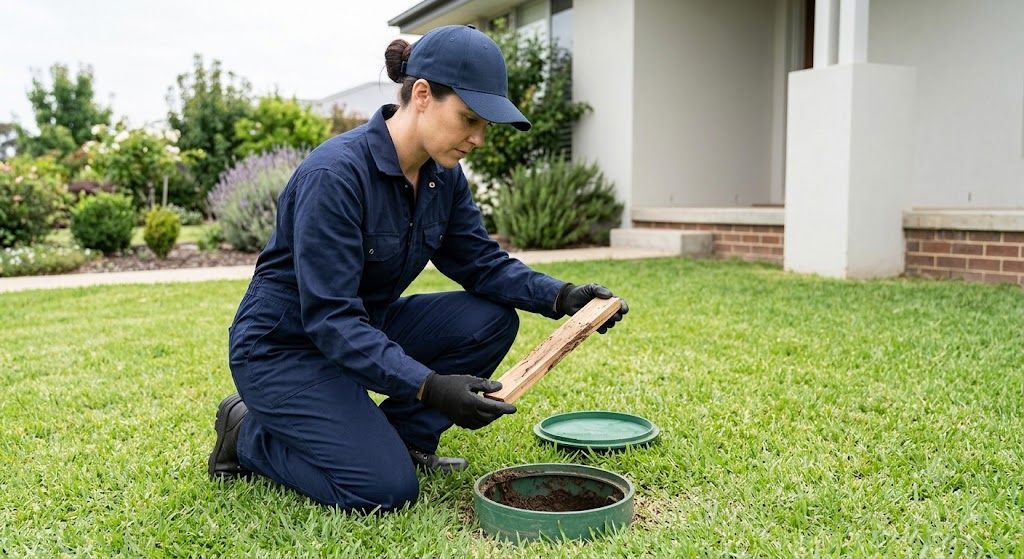
Before a single drop of chemical is applied, your pest technician will do something that separates a truly professional service from a rushed, generic one: they'll take the time to properly inspect your home. This might sound like a small thing, but it's genuinely the most important step in the entire process. A thorough inspection is what makes everything that follows actually work.
Getting Into the Nooks and Crannies
Cockroaches are experts at staying hidden. They squeeze into wall cavities, tuck themselves behind appliances, nestle inside cupboard hinges, and set up camp in the warm, dark spaces most of us never think to look. During the inspection, your technician will methodically work through your home, checking all of these areas, under sinks, behind fridges and dishwashers, inside bathroom vanities, along skirting boards, and anywhere else cockroaches are likely to be harbouring.
This isn't a quick walk-through. A proper inspection takes time, and a good technician won't rush it. The more thoroughly your home is assessed, the more targeted and effective the treatment will be.
What Technicians Are Actually Looking For
It's not just about spotting live cockroaches. During the inspection, your technician is looking for a range of tell-tale signs that paint a full picture of the infestation:
- Live cockroaches, particularly in harbourage areas
- Droppings, which look like small dark specks or smears, depending on the species
- Egg cases, known as oothecae, which indicate active breeding
- Shed skins left behind as cockroaches grow through their life stages
- Musty or oily odours that signal a well-established colony nearby
- Entry points such as gaps around pipes, cracks in walls, and poorly sealed doors
Each of these clues helps your technician build a clear picture of what's happening inside your home and where the infestation is centred.
Why the Inspection Shapes Everything That Follows
The findings from the inspection directly determine the treatment plan. Without this step, a technician is essentially guessing, applying products in areas that may not be relevant, while missing the places where cockroaches are actually living and breeding. That's a recipe for a treatment that delivers short-term results at best.
Knowing how to properly handle a roach infestation starts with understanding exactly what you're dealing with. A detailed inspection ensures that every decision made from this point forward is based on real evidence rather than assumption, and that makes all the difference to the final outcome.
Step Two: Identifying the Species and Scope of the Problem
Once the inspection is complete, your technician will have a much clearer picture of what's going on inside your home. But knowing cockroaches are present is only half the story. The next step is figuring out exactly which species you're dealing with and how far the infestation has spread, because both of these factors have a significant impact on how the treatment is approached.
Why Species Identification Is More Important Than You'd Think
It might be tempting to assume a cockroach is a cockroach, but that's a little like saying all weeds are the same. Different species have different behaviours, different breeding rates, different preferred habitats, and different responses to various chemical treatments. Applying the wrong treatment for the wrong species doesn't just waste time and money; it can actually make the problem harder to solve by giving the infestation more time to grow and spread.
Getting species identification right from the start is one of the clearest signs you're working with someone who genuinely knows what they're doing.
Perth's Most Common Cockroach Species
Here in Perth, there are three species our technicians encounter most regularly:
- German cockroaches: Small, light brown, and absolutely prolific breeders. These are the ones most commonly found in kitchens, bathrooms, and food preparation areas. They live in tight colonies, breed rapidly, and have a well-documented tendency to develop resistance to certain chemical classes. They require a particularly targeted and often intensive treatment approach.
- American cockroaches: Much larger and reddish-brown in colour. These tend to prefer subfloor spaces, roof voids, drains, and other damp, dark environments. They're strong fliers and can cover significant ground, which is why they're often spotted moving between indoor and outdoor areas.
- Australian cockroaches: Similar in appearance to the American cockroach but slightly smaller. They favour outdoor environments and plant matter but regularly venture inside during warmer months in search of food and shelter.
Each of these species calls for a tailored response, which is why a technician who can confidently identify what they're looking at is such a valuable asset.
Assessing the Scope: How Big Is the Problem Really?
Beyond species identification, your technician will assess just how extensive the infestation actually is. This involves piecing together the evidence gathered during the inspection, the number of live cockroaches spotted, the distribution of droppings and egg cases, the location of harbourage points, and any signs of activity in multiple areas of the home.
A minor infestation caught early might be resolved with a single well-targeted treatment visit. A more established colony that's had time to spread through wall cavities and multiple rooms will likely require a more intensive approach, potentially including follow-up visits to ensure the problem is fully resolved.
Understanding the scope also helps manage expectations honestly. If your technician identifies a significant infestation, they'll tell you upfront what the treatment process looks like and roughly how long it will take to see full results, rather than overpromising and underdelivering.
From Assessment to Action
With species identified and scope understood, your technician now has everything they need to put together a treatment plan that's genuinely tailored to your home. This is exactly the kind of thorough, considered approach that helps fix ongoing cockroach issues properly rather than applying a temporary patch that leaves the door open for the infestation to bounce back a few weeks later.
Step Three: Choosing and Applying the Right Treatment
This is the part most people picture when they think about pest control, and while it might look straightforward from the outside, there's a lot of careful decision-making that goes into it. By this point, your technician knows which species they're dealing with, how extensive the infestation is, and which areas of your home are most affected. Now it's time to put that knowledge to work and choose the right combination of treatments to get the job done properly.
Residual Sprays, Building a Chemical Barrier
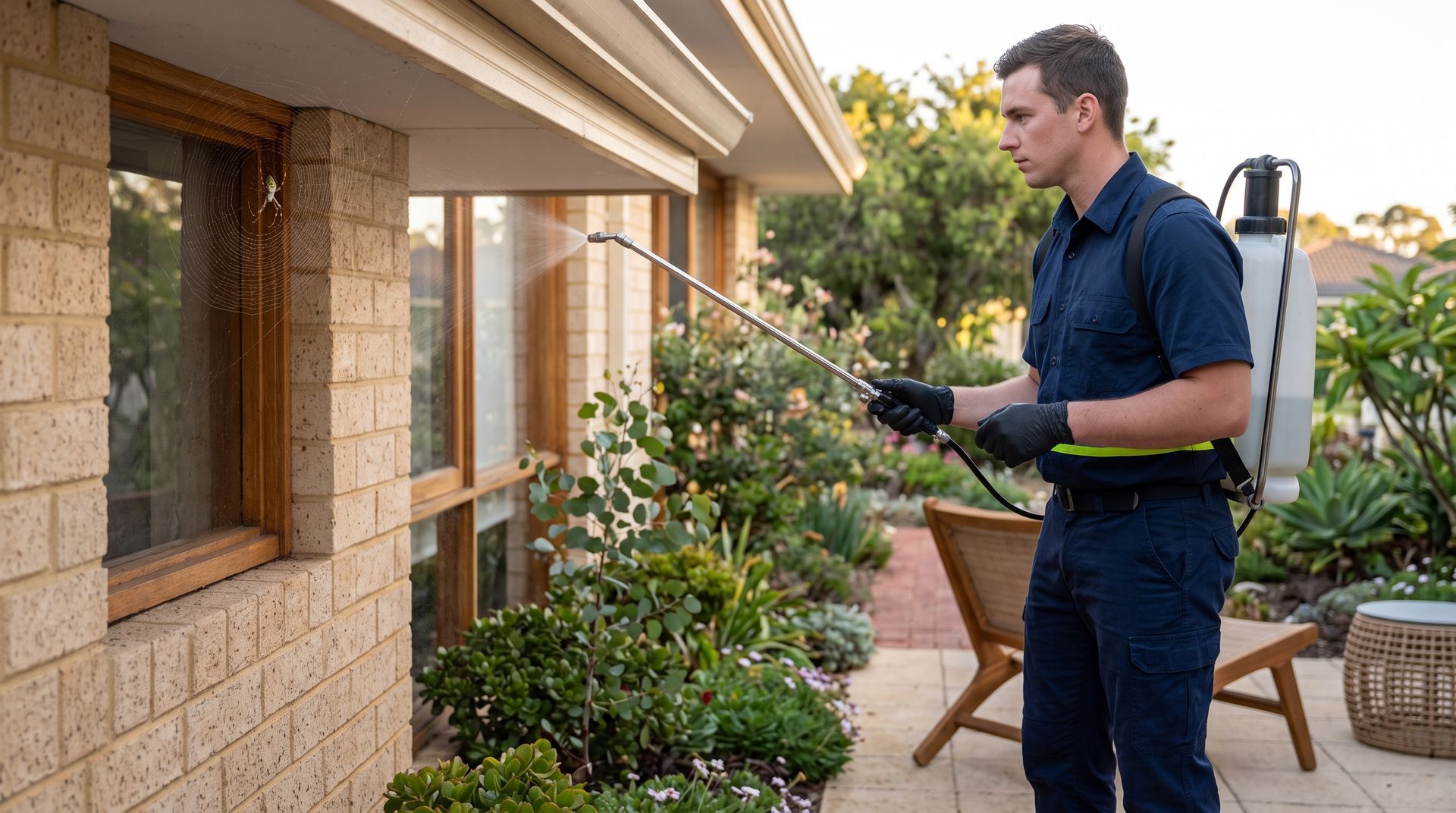
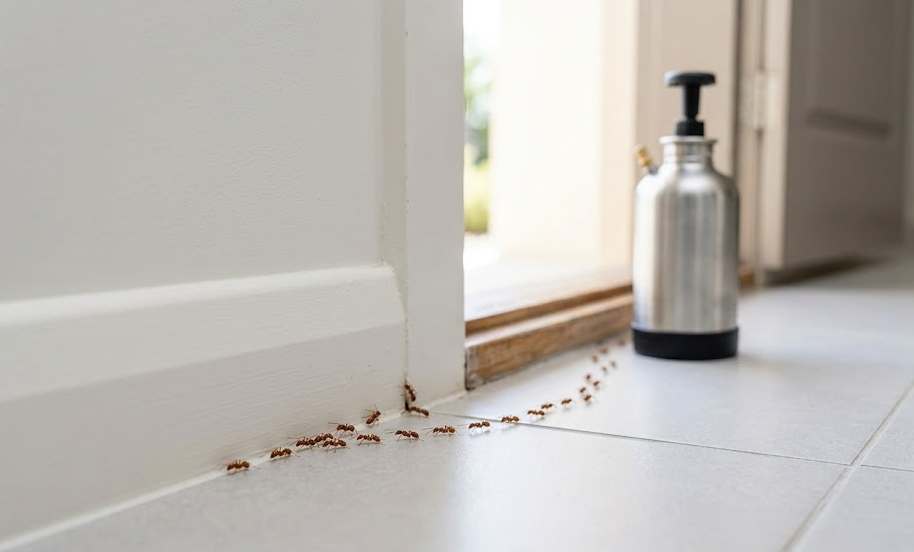
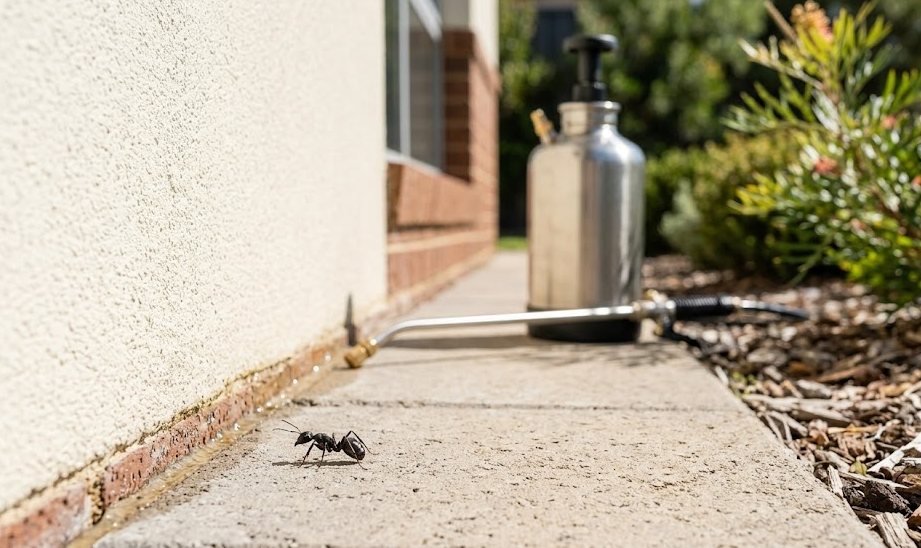
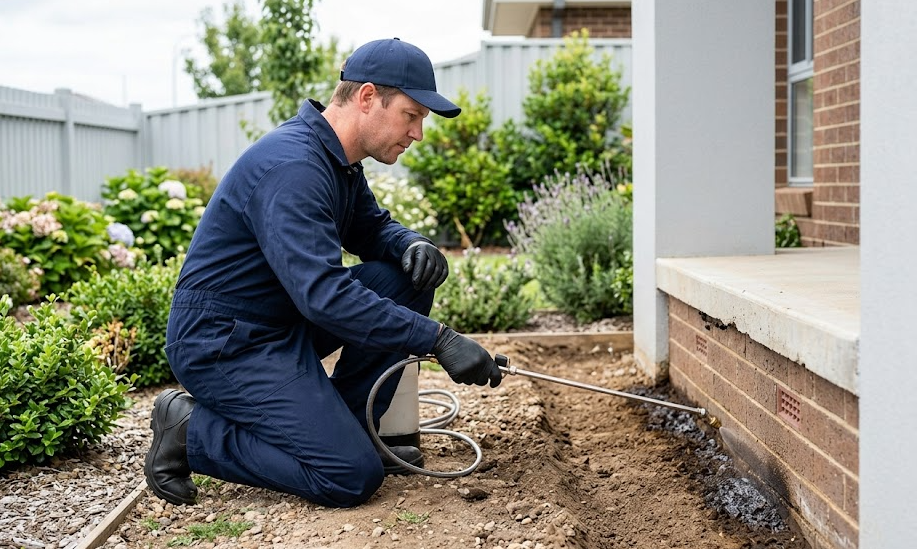
Residual sprays are one of the most commonly used tools in a professional cockroach treatment. These are applied to surfaces that cockroaches regularly travel across , skirting boards, wall junctions, behind appliances, inside cupboards, and along the edges of floors. The idea is to create a treated zone that cockroaches can't move through without picking up a lethal dose of chemical.
What makes residual sprays particularly effective is their staying power. Unlike a contact spray that loses its effect once it dries, a professionally applied residual treatment continues working for weeks after application, intercepting cockroaches long after the technician has packed up and left.
Gel Baits, Working From the Inside Out
Gel baits take a completely different approach. Rather than waiting for cockroaches to walk through a treated zone, baits bring the chemical directly to the colony. A slow-acting insecticide is combined with a food attractant, drawing cockroaches in to feed. They then carry the chemical back to their harbourage, where it spreads through the colony via direct contact and through droppings that other cockroaches consume.
This transfer effect is what makes gel baits so powerful, particularly against German cockroaches, which live in close-knit groups and interact frequently. A well-placed bait application can ripple through an entire colony far more efficiently than a spray alone ever could.
Dusts and IGRs, Covering Every Angle
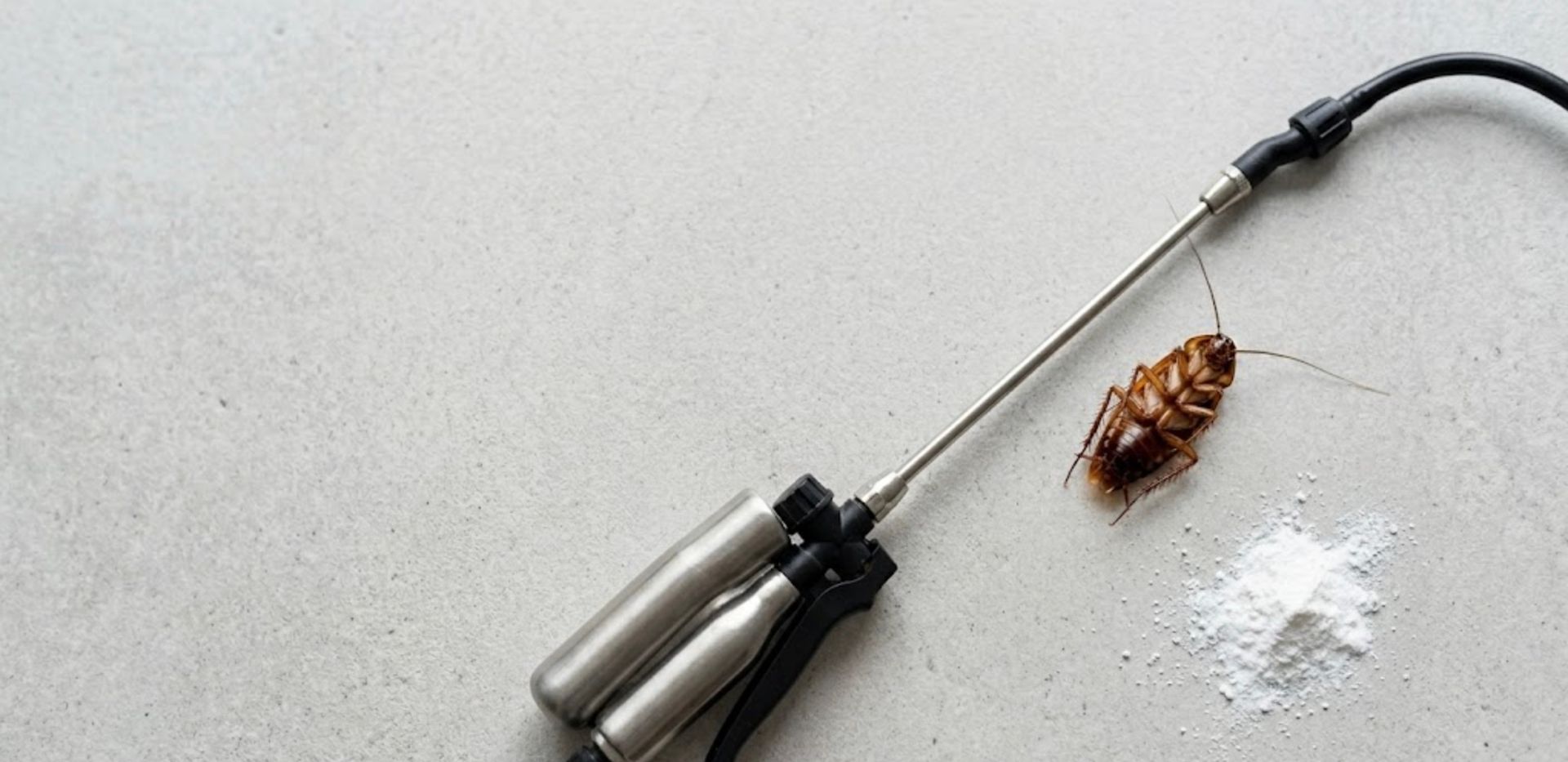
For hard-to-reach spaces like wall cavities, subfloor areas, and roof voids, insecticidal dusts are often the most practical option. Dusts settle into cracks and crevices where cockroaches harbour, providing long-lasting protection in areas that sprays simply can't reach effectively.
Insect Growth Regulators, or IGRs, are another valuable tool in the kit. Rather than killing cockroaches outright, they interfere with the cockroach life cycle by preventing nymphs from developing into reproductive adults. Used alongside a fast-acting insecticide, IGRs ensure the infestation is tackled at every stage, not just the adults currently visible.
Why Targeted Application Beats Blanket Spraying Every Time
One of the biggest differences between a professional treatment and a DIY attempt is precision. A professional technician doesn't spray everything in sight and hope for the best. Every product is applied in a specific location, at a specific concentration, for a specific reason. This targeted approach maximises effectiveness while minimising unnecessary chemical exposure throughout the rest of your home.
At Stewarts Pest Control, we've spent over 70 years refining our approach to cockroach treatment, learning what works, what doesn't, and how to tailor every job to the unique conditions of each home we service. That depth of experience shows up in the results we deliver for our customers, each and every time.
How to Keep Cockroaches From Coming Back: Smart Habits That Make a Lasting Difference
A professional treatment does the heavy lifting, but keeping your home cockroach-free in the long run is very much a team effort. The good news is that cockroach prevention doesn't require a dramatic lifestyle overhaul. A handful of consistent, practical habits can make your home a genuinely unwelcoming place for cockroaches, and that's exactly where you want to be.
Tighten Up Your Kitchen Hygiene
The kitchen is ground zero for most cockroach infestations, and it's not hard to see why. Food scraps, grease buildup, crumbs under appliances, and unsealed pantry items are essentially an open invitation. A few simple changes to your daily routine can remove a lot of what attracts cockroaches in the first place.
Start by storing dry goods, cereals, flour, rice, and pet food in sealed airtight containers rather than leaving them in their original packaging. Wipe down benchtops after cooking, clean up spills promptly, and make a habit of sweeping or vacuuming under and around appliances regularly. Don't forget the humble rubbish bin either, a bin without a lid, or one that isn't emptied frequently enough, is one of the most common cockroach attractants in any home.
Tackle Moisture Problems Before Cockroaches Do
Cockroaches are drawn to moisture just as much as they are to food. Leaking pipes, dripping taps, damp under-sink areas, and poorly ventilated bathrooms all create conditions that cockroaches actively seek out. Fixing even minor plumbing leaks promptly and keeping moisture-prone areas as dry as possible removes one of the key things drawing cockroaches into your home in the first place.
In bathrooms, make a habit of wiping down wet surfaces after use and ensuring adequate ventilation to reduce ongoing dampness. In the kitchen, check under the sink regularly for any signs of moisture or leaks around plumbing connections.
Seal Entry Points and Eliminate Hiding Spots
Cockroaches don't materialise out of thin air; they get in through gaps, cracks, and openings that are easy to overlook. Common entry points include gaps around pipes where they pass through walls, cracks in skirting boards, poorly sealed doors and windows, and openings around utility connections.
Taking the time to seal these entry points with appropriate filler or weatherstripping significantly reduces the chances of cockroaches finding their way back in after a treatment. It's a simple, low-cost step that delivers genuine long-term results.
Decluttering is another surprisingly effective prevention strategy. Cockroaches love dark, undisturbed spaces filled with cardboard boxes, old newspapers, and stacked items they can nest inside. Keeping storage areas tidy and minimising clutter, particularly in garages, laundries, and under-stair spaces, removes a lot of the harbourage opportunities cockroaches rely on.
Consider an Ongoing Pest Management Plan
For homeowners who want consistent, year-round peace of mind, an ongoing pest management plan is worth serious consideration. Rather than waiting for cockroaches to reappear before taking action, a scheduled plan keeps your home protected throughout the year with regular inspections and treatments that stay ahead of any potential problems.
These plans are typically more cost-effective than booking reactive one-off treatments each time an issue crops up, and they cover a range of common household pests alongside cockroaches, giving you broader protection for your home in a single, convenient arrangement. It's the kind of proactive approach that genuinely pays off over time, both in terms of results and overall peace of mind.
Now You Know, And Knowledge Is the Best Pest Control of All
Does the whole process make a lot more sense now that you've seen it broken down from start to finish?
Cockroach pest control is far more involved than most people realise, and that's precisely why it works so well when it's done properly. From the initial inspection right through to the aftercare advice and prevention habits, every step serves a purpose. If you're ready to take action and get your home back to the comfortable, cockroach-free space it should be,
our team is here and ready to help. Welcome to the Stewarts family, we've got you covered.