
Fully Licensed Technicians
Spider Control and Treatment in Perth
They creep around your house, eating tiny insects and bugs. Good? Yes. But they can be a real hazard if you have young children or pets.
Get Prices & Book OnlineSpider Pest Control in Perth: An Overview
Spiders are a fact of life in Perth, but they do not have to be a fact of your home or workplace. Some species are harmless, others can pose health risks, and each behaves differently. That is why a one-size-fits-all approach rarely works. DIY sprays often miss hidden nesting sites and can scatter spiders deeper into cracks and roof voids.
Stewarts Pest Control provides targeted spider management that starts with careful identification. Our technicians inspect inside and out to understand where spiders are living and how they are entering. We then apply treatments that suit the species and the building, with options for webbing spiders, hunting spiders, and ground-dwelling spiders. Treatments are applied with family and pet safety in mind and meet Australian standards.
Ready to make your home or business more comfortable and safe? Get in touch with Stewarts Pest Control to book an inspection.
S P I D E R S
Treatment & Control of Spiders
Treatment and control of spiders purely depend on the type of spiders situated on your property. Our fully licensed and qualified technician will be able to asses what problem you have a fit the treatment accordingly.
Webbing Spiders
External treatment:
evens, fence lines, garden bedding, pergolas, rockeries and generally anywhere spiders can make webs.
Internal Treatment:
all cracks and crevices for example in cupboards, wardrobes and ceiling spaces.
Examples of webbing spiders:
Redback spider, Cellar spiders (Daddy Long-legs), Orb-weaver spiders etc.
Hunting Spiders
External Treatment:
Spraying ground areas beside buildings and around structures.
Internal Treatment:
all cracks and crevices for example in cupboards, wardrobes and ceiling spaces.
Examples of hunting spiders:
White-tailed spider, Jumping spider, Huntsman spider etc.
Ground Dwelling Spiders
External Treatment:
Directly where nests are. Large infestations can also be controlled through blanket spraying.
Examples of ground dwelling spiders:
Funnel-web spider, Missulena (Mouse spider) etc.
Treating and Controlling all Types of Spiders
We can treat for all types of spiders both inside, outside and in your roof void. Our fully trained and licensed technician can asses what spider issues you're currently dealing with and also apply a treatment that will prevent spider problems in the near future.
Spider Treatment Service Agreement
(free treatment period)
All spider treatments come with a 2 or 6 month service agreement . If your pest comes back within these 2 or 6 months, we will go back and retreat free of charge.
Why is this important?
When purchasing products such as electronic equipment you receive a warranty. This warranty comes in handy if something breaks and you need to get it fixed. When it comes to pest control, it is very similar. Pests are unpredictable, and some infestations are harder to control than others. This is why Stewarts offer a Service Agreement with most of our pest control treatments. It's your safeguard and your quality service guarantee!
Signs of a Spider Infestation
Spotting one or two spiders around the home isn’t unusual, but when they start appearing more often or leaving clear traces, it could be the sign of a bigger problem. Here are the most common indicators of a spider infestation to look out for:
Spider Webs Indoors and Outdoors
The most obvious sign of spider activity is the presence of webs. You may notice sticky cobwebs in corners, behind furniture, under eaves, along fence lines, or around garden structures. Webbing spiders often rebuild in the same spots, so if you’re regularly cleaning webs only for them to reappear, it’s a strong indicator of an ongoing infestation.
Egg Sacs and Silk Cocoons
Spiders reproduce quickly, and their egg sacs can contain up to a hundred spiderlings. These sacs are usually white or cream-coloured silk bundles found attached to webs, tucked in cracks, or hidden in sheltered spaces such as sheds, garages, or under outdoor furniture. The presence of egg sacs signals not just current spiders but the likelihood of many more soon emerging.
Frequent Spider Sightings
Seeing more spiders than usual, especially indoors, is another warning sign. Hunting spiders such as White-tailed Spiders and Huntsman Spiders may appear in bathrooms, kitchens, or bedrooms in search of food. If you are regularly encountering spiders in living areas, it often means their population is growing nearby.
Unexplained Insect Decline
Spiders thrive where there is a food source. If you’ve noticed fewer flies, moths, or other insects inside your home but spider activity increasing, it could be because the spiders have taken hold and are actively preying on them.
Burrows or Holes in the Ground
Ground-dwelling spiders, including Funnel-Webs and Mouse Spiders, build burrows in soil, lawns, or under garden rocks. These burrows are often lined with silk and can sometimes be spotted by their distinctive circular openings. Finding several burrows around your garden may indicate a ground-dwelling infestation that requires professional attention.
Why Early Detection Matters
Spiders can reproduce quickly, and some species carry venom that poses risks to people and pets. Identifying the early signs of an infestation allows for faster, more effective treatment before the problem becomes widespread.
Types of Spiders
Treatment and control of spiders purely depend on the type of spiders situated on your property. Our fully licensed and qualified technician will be able to asses what problem you have a fit the treatment accordingly.
-
example@mail.com

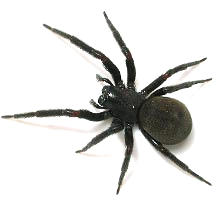
Black House Spiders
The Common House spider or Black House spider is generally black to grey. A lot of spiders found around a property or inside houses are either this spider or from this family of spiders. They are commonly found around windows, fences, pergolas, eaves and other areas that provide shelter, food and security. The web of this spider is tunnel-like, it is usually obvious, roughly round and an entry hole. The female spider never leaves its nest unless she is forced. The female stays with the sac (eggs) and guards it. They generally feed on insects, usually ones that are attracted to light because they fall in their webs. The Common House spider or Black House spider has a nasty bite but not a deadly one. They are usually very timid, and most bite occurs when people attempt to move the nest or disturb them. Their bites are very painful and can cause local swelling. Other symptoms may arise such as nausea, vomiting, sweating and giddiness.
-
example@mail.com
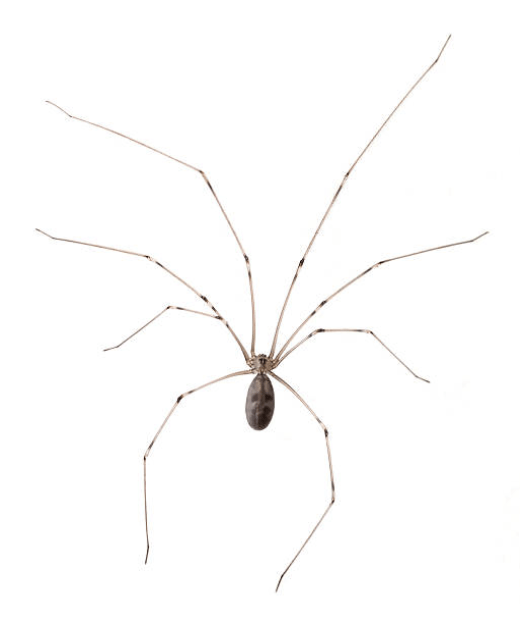
Daddy-long-legs Spiders
This spider, as suggested by its name, has very long skinny legs with a body that is very small in comparison to its legs. They are cream to pale brown and can often be found in and around houses. They will often spin tangled webs in corners of rooms and other areas that are not often disturbed, like under tables. They feed in insects as well as other spiders including Redback Spiders. They manage to defeat the Redback through spitting silk at them from a distance. They then wrap them up and incapacitate them while keeping the Redbacks deadly fangs at bay using their skinny log legs.
Many believe that the Daddy-long leg have the most toxic venom of all spiders. However, there is no scientific evidence to back this up. Their venom is not that potent even for insects. The Daddy-long leg trick is that their legs are so long and slender that it is just about impossible for the Redback to bite anyone of them.
-
example@mail.com
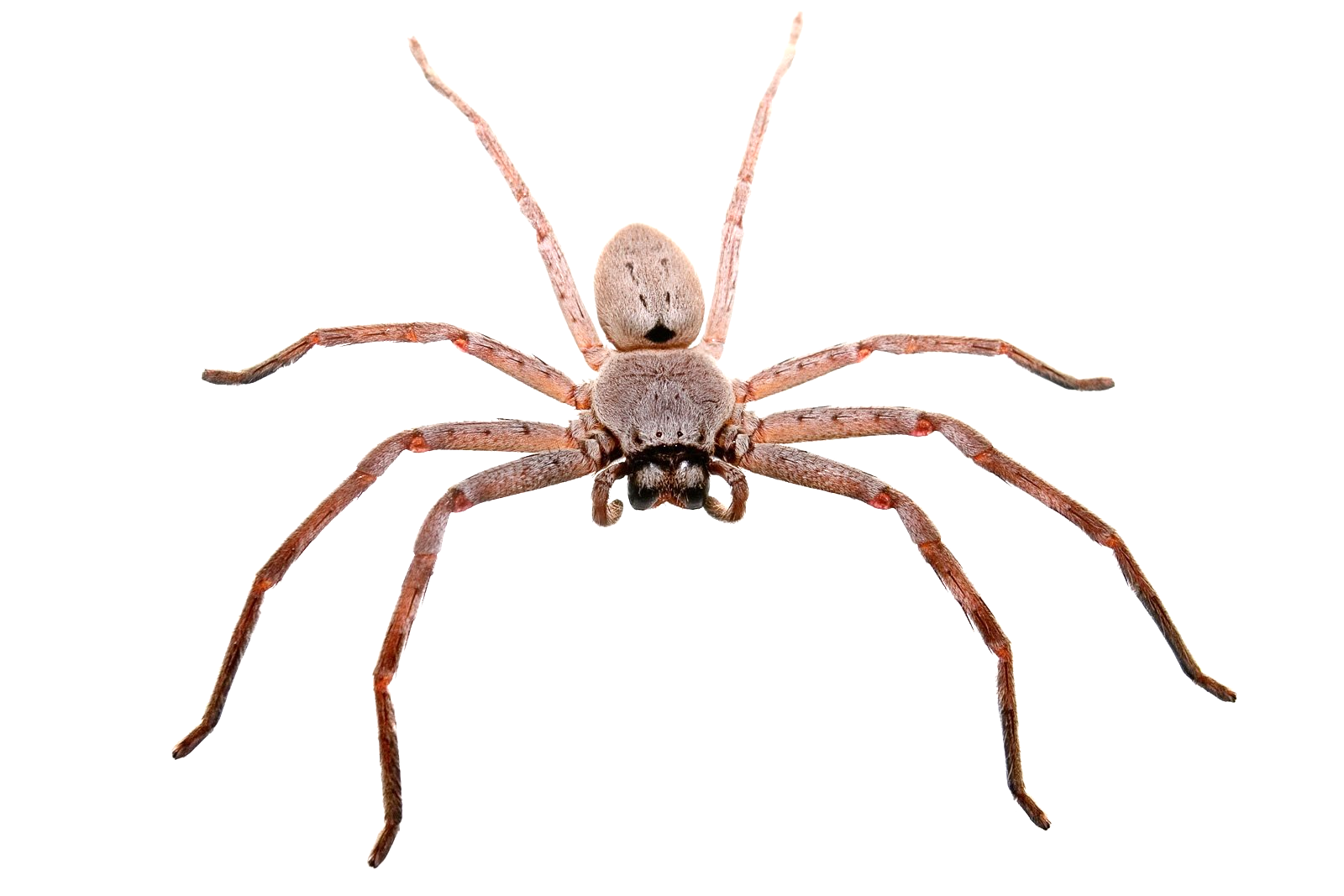
Huntsman Spiders
This spider is dark and has long legs in comparison with its body. It is a relatively flat and hairy spider that feeds mainly on insects. They are generally a grey to brown colour, with banded legs sometimes. Feeding of insects and other invertebrates, they prefer to live outdoors under loose bark on trees, crevices on rock walls and in logs, they will emerge at night to feed. They often enter houses and are generally will be found on walls and behind curtains. They are also notorious for finding their way into cars and being found hiding behind sun visors or running across the dashboard. They can move sideways very quickly and can grow up to between 40-45mm long. Their bite is not toxic but can leave a nasty wound. A female Huntsman can lay up to 200 eggs, and these spiderlings will live for about two years or more on average.
-
example@mail.com
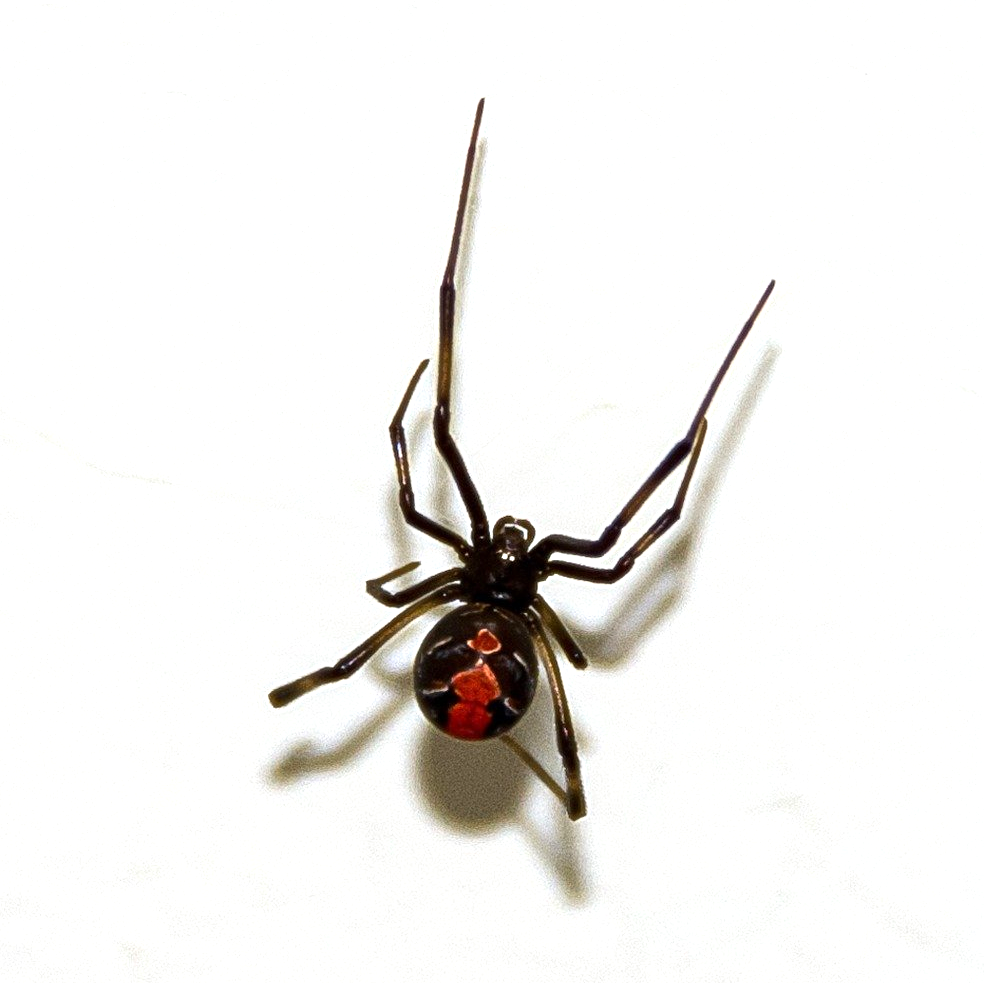
Redback Spiders
Redback spiders are one of the most known and poisonous spiders. They create tangled webs that are funnel-like wherein upper retreat area vertical, sticky catching threads run to ground attachments. Female Redback spiders are black (occasionally brownish) and have a distinct orange to red longitudinal stripe/hourglass shape on the upper abdomen. While the male Redback can sometimes be less distinct, with a light brown body and white markings on the top side of the abdomen, and a pale hourglass marking on the underside. They tend to build their webs in dry and sheltered positions such as among rocks, inside logs, shrubs, sheds, or in toilets. They mainly feed on insects but are capable of capturing animals such as male trapdoor spiders, small lizards and crickets if they become trapped in the Redbacks web. The female Redback bite can cause death or severe illness. More than 250 Redback bites receive
antivenin each year. If bitten safely and carefully collect the spider for positive identification and seek medical attention.
-
example@mail.com
White Tail Spiders
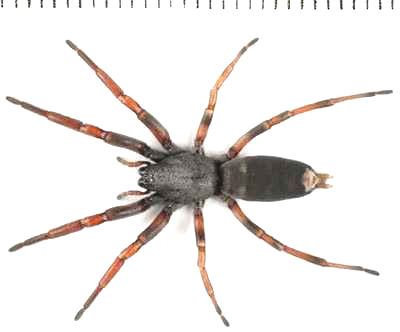
This spider is dark reddish to grey in colour with a cigar-shaped body and dark orange-brown banded legs. It's most distinguishing feature being the white marking on the tip of its abdomen. The White-tailed spider can be referred to as a "wandering" spider not keeping one specific place as their home. They are generally found under bark and rocks, in leaf litter, logs, roof voids, gardens and homes. Their primary food source is other spiders. They typically hunt at night and are known to catch daddy-long-legs spiders, Redback Spiders and Black House spiders. Generally, the White-tailed spider will be attracted to your home due to other spiders they are hunting. Their bites can cause an initial burning pain followed by swelling and itching at the bitten area.
-
example@mail.com
False black widow
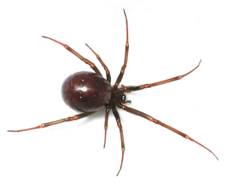
With a very similar body shape to the Redback spider, it can be easily mistaken at a glance. But False Black Widow spiders (also known as the Cupboard Spider, Brown House Spider and Dark Comb-footed Spider) range from a brown or reddish plum to satiny black. Males are around 4mm in size, and females average around 10mm. They have slender and shiny legs with a large round/egg-shaped abdomen. You can find them under rocks, timbers and bark in the bush where prey is available. Within these areas, they build tangled-looking webs that have sticky lines. However, in an urban situation, we are finding them more commonly in dark, sheltered and undisturbed places such as in sheds and garages, old furniture, under garden benches and in upturned pots to name a few.
Treatment & Control of Spiders
At Stewarts Pest Control, we understand that not all spiders are the same. The right approach to treatment depends on the species, where they are nesting, and how severe the infestation is. Our licensed and qualified technicians begin with a thorough inspection, identifying the type of spiders present and tailoring the treatment plan to suit your property. Every treatment we provide is safe, effective, and compliant with Australian pest control standards.
Webbing Spiders
Where they live
Webbing spiders, such as Redback Spiders, Cellar Spiders (Daddy Long-Legs) and Orb-Weavers, construct intricate webs in sheltered locations. Outdoors, you’ll often find them around fence lines, pergolas, garden beds, and rockeries. Indoors, they prefer undisturbed corners and ceiling spaces.
Treatment approach
External treatment: We target common web-building areas with a residual spray designed to eliminate spiders and deter new webs from forming.
Internal treatment: Cracks, crevices, and roof voids are treated carefully to remove existing spiders and prevent re-infestation.
Advice: After treatment, our team will provide guidance on removing webs and maintaining web-free surfaces to keep these spiders at bay.
Hunting Spiders
Where they live
Unlike web-builders, hunting spiders such as White-tailed Spiders, Jumping Spiders, and Huntsman Spiders actively roam in search of prey. They are commonly found in garden beds, leaf litter, and around building foundations, and may enter homes while hunting.
Treatment approach
External treatment: Ground areas around buildings, under shrubs, and near structures are treated with targeted sprays.
Internal treatment: We apply insecticides into cracks, skirting boards, wardrobes, and cupboards where these spiders may hide.
Advice: Since hunting spiders are mobile, we often recommend combining treatment with general pest management to reduce their food sources, such as other insects.
Ground Dwelling Spiders
Where they live
Ground-dwelling spiders, including Funnel-Webs and Mouse Spiders (Missulena), create burrows in soil or under rocks and logs. They can be aggressive when disturbed and, in some species, venomous, making professional control essential.
Treatment approach
Direct nest treatment: Burrows and nesting areas are treated to directly target active spiders.
Blanket spraying: In cases of large infestations, we apply a broader treatment across soil areas to disrupt breeding and reduce numbers.
Safety first: Given the risks associated with these spiders, we use careful application methods to protect families, pets, and local wildlife.
Additional Information About Our Spider Treatments
Inspection Comes First
Every treatment at Stewarts Pest Control begins with a careful inspection. Our technicians take the time to identify the exact type of spiders present, locate their nesting areas, and assess how severe the infestation is.
This allows us to design a treatment plan that is precise and effective, rather than applying a one-size-fits-all approach.
Safety for Families and Pets
We understand that safety is one of the biggest concerns for families, especially those with children or pets. That’s why we only use products approved under Australian standards and apply them with methods that minimise any risk while still delivering powerful results.
Once a treatment has been completed, you can have confidence that your home or business is protected without compromising your family’s wellbeing.
Lasting Protection
Another question we often hear is how long the treatment will last. While the exact timeframe depends on your environment, most treatments remain effective for several months.
Our team will let you know how to get the best results and when to consider a follow-up service if spiders are likely to return seasonally.
Aftercare Advice
Aftercare is also a key part of our service. We don’t just treat and leave; we provide you with clear, practical steps to help keep your property spider-free.
This might include removing old webs, sealing small cracks or gaps where spiders can enter, reducing clutter in storage areas, and limiting outdoor lighting that attracts insects (which spiders feed on). By combining professional treatment with these small actions, you can enjoy longer-lasting results.
What to Expect on the Day
Finally, we make the process as easy as possible. Spider treatments are quick and generally cause little disruption. In some cases, we may ask you to step out of the treated area for a short time while the spray settles, but you can usually return the same day.
Our technicians will talk you through every step so you know exactly what to expect and how to prepare.

Post-Treatment Tips & Follow-Up
Immediate Care After Treatment
Once a spider treatment has been carried out, we recommend giving the treated areas time to settle before cleaning or disturbing them. This allows the residual spray to do its job properly. If you’ve been asked to vacate during treatment, you can usually return the same day once surfaces have dried. Pets should also be kept away from treated zones until it’s safe.
How Long Does the Treatment Last
Most spider treatments provide protection for several months. The exact duration depends on the type of spiders present, the environment around your property, and how much cleaning or weather exposure the treated surfaces receive. Our technicians will advise you on when a follow-up may be necessary, especially if you live in a high-risk area for Redbacks or ground-dwelling spiders.
Preventing Future Infestations
To maximise results, there are a few simple things you can do around your home:
- Remove webs once treatment has taken effect to discourage spiders from rebuilding in the same spots.
- Seal entry points such as cracks, vents, and gaps around windows or doors. Also,
reduce clutter in sheds, garages, and storage areas where spiders like to hide.
When to Book a Follow-Up
Some spider species are more resilient or may return seasonally. If you notice new webs forming, egg sacs, or increased spider activity after a few months, it may be time for a follow-up treatment. Regular scheduled pest management is often the best option for homes and businesses in Perth where spider activity is a recurring issue.
Safety Measures & Environmental Considerations
Family and Pet Safety
At Stewarts Pest Control, we know that safety is one of the biggest concerns for homeowners. All of our spider treatments are carried out using products approved under Australian standards. These treatments are carefully applied so that they are effective against spiders while being safe for children and pets once the application has dried. Our technicians will explain any precautions to take on the day, such as temporarily leaving the treated area, so you can have complete peace of mind.
Environmentally Responsible Practices
We are committed to minimising environmental impact while still delivering lasting protection. Where possible, we use targeted treatments that focus only on problem areas, reducing unnecessary chemical use. By treating nesting sites directly and using residual sprays only where needed, we can control spiders without affecting non-target species.
Licensed and Compliant Services
All of our treatments are performed by fully licensed pest control technicians who follow strict application guidelines. This means the service you receive not only meets but exceeds regulatory requirements for safety and environmental care in Western Australia.
Ongoing Precautions
After treatment, we’ll provide practical guidance on safe aftercare. This may include removing webs, keeping storage areas free of clutter, and reducing outdoor lighting that attracts insects. These simple steps complement our treatments and help maintain a spider-free environment without the need for heavy chemical reliance.
Insurance & Licensing Information
Fully Licensed Technicians
All spider treatments provided by Stewarts Pest Control are carried out by licensed technicians who are trained to handle pest control products safely and effectively. Our licensing ensures that every service complies with Western Australian regulations and adheres to the highest industry standards.
Comprehensive Insurance
For additional peace of mind, Stewarts Pest Control is fully insured. This means that in the unlikely event of any incident during treatment, you and your property are protected. We take every precaution to avoid risks, but having the right insurance in place provides our customers with an extra layer of security.
Commitment to Standards
We don’t just meet minimum requirements; we maintain ongoing training and stay up to date with the latest pest control methods, safety practices, and environmental guidelines. This commitment to professionalism ensures that every treatment is safe, effective, and fully compliant.
Frequently Asked Questions
How long does spider pest control last?
Most spider treatments provide protection for several months. The exact duration depends on the type of spiders, your property’s environment, and whether webs and hiding spots are removed after treatment. Our technicians will let you know when a follow-up may be beneficial.
Is the treatment safe for children and pets?
Yes. We only use products approved under Australian standards, applied in a way that minimises any risk. Once surfaces have dried, treated areas are safe for children and pets to return to.
Do I need to leave my home during treatment?
In most cases, you can remain at home. Sometimes, we may ask you and your pets to step outside for a short time while the spray settles. Our technicians will explain exactly what to expect before starting.
Will the treatment kill all spiders immediately?
Some spiders may die straight away, while others may come into contact with the treatment over a few days. Residual sprays continue working long after application, ensuring ongoing protection.
What can I do to stop spiders coming back?
Simple steps make a big difference; remove webs after treatment, seal cracks or gaps, keep storage areas tidy, and reduce outdoor lighting that attracts insects. We’ll provide tailored aftercare advice at the end of your service.
Can I just spray spiders myself?
Store-bought sprays may kill a spider you see, but they rarely eliminate the source of the problem. Professional treatments target webs, nesting sites, and entry points to deliver longer-lasting results.
Do you treat dangerous spiders like Redbacks or Funnel-Webs?
Absolutely. Our technicians are trained to safely control venomous spiders such as Redbacks, White-tailed Spiders, and ground-dwelling species like Funnel-Webs and Mouse Spiders. Safety measures are always prioritised.
How do I know if I need spider pest control?
If you notice increasing numbers of spiders, regular webs around your property, or discover egg sacs, it’s a good idea to book a treatment. Even if spiders aren’t venomous, an infestation can be unsettling and may indicate other pest issues.
Protect Your Home and Family from Spiders
Spiders are a natural part of life in Perth, but they don’t need to be part of your living spaces. Whether it’s webbing spiders leaving unsightly cobwebs, hunting spiders roaming indoors, or ground-dwelling species nesting in your garden, professional treatment ensures the problem is dealt with quickly and safely.
At Stewarts Pest Control, we combine decades of local experience with licensed, environmentally responsible methods to give you lasting protection and peace of mind.
Don’t wait until spider activity becomes overwhelming; early action is the best way to prevent infestations from spreading.