What to Expect During a Professional Termite Inspection
Have you ever wondered what goes on during a professional termite inspection and why it’s so crucial for protecting your home or business? Termites are silent destroyers that can cause extensive damage before you even notice a problem. That’s why scheduling a thorough termite inspection is one of the smartest steps you can take to safeguard your property’s value and structural integrity.
A professional termite inspection goes far beyond a simple visual check. It involves trained experts using specialised tools and techniques to detect signs of termite activity that are often hidden from the untrained eye. Whether you’re buying a new property, maintaining your current home, or managing a commercial space, knowing what to expect during this process helps you prepare and understand the importance of timely action.
At Stewarts Pest Control, a trusted termite treatment company serving Perth and surrounding areas, we prioritise thorough inspections to identify termite risks early and recommend effective solutions. In this article, we’ll guide you through every step of a professional termite inspection so you can feel confident in protecting your investment.
Why You Need a Professional Termite Inspection
Understanding the Risks of Termite Infestation
Termites are notorious for causing significant structural damage to homes and buildings by feeding on wood and other cellulose materials. What makes termites especially dangerous is their ability to remain hidden while causing costly destruction beneath floors, inside walls, and in roofing structures. Left unchecked, termite infestations can weaken the foundation of your property, leading to expensive repairs and safety hazards.
Early Detection Saves You Money and Stress
Catching termite activity early through professional inspections is critical. Early detection means the infestation can be treated before it spreads extensively, saving you from major structural damage and costly restoration work. A professional inspection identifies not only current termite presence but also potential risk areas where termites might enter, allowing you to take preventative measures.
Why DIY Checks Are Not Enough
While homeowners might occasionally notice visible signs like mud tubes or damaged wood, termite activity often goes unnoticed without specialised knowledge and equipment. DIY inspections can miss subtle or hidden infestations, giving a false sense of security. Professional termite inspectors are trained to spot these signs and use advanced tools such as moisture meters and thermal imaging to uncover hidden colonies.
How Stewarts Pest Control Protects Your Property
As a reputable termite inspection and treatment company in Perth, Stewarts Pest Control offers comprehensive inspections backed by years of industry experience. Our expert inspectors know exactly what to look for and how to assess the level of risk to your property. By choosing professional inspections, you ensure you have accurate information and effective termite management recommendations to protect your home or business.
When to Schedule a Termite Inspection
Recommended Inspection Frequency
Termite activity can vary depending on factors like climate, property age, and surrounding vegetation. As a general rule, it’s advisable to schedule a professional termite inspection at least once every 12 months. Annual inspections help catch early signs of termite presence before serious damage occurs. For properties located in high-risk areas or with a history of termite problems, more frequent inspections, such as every six months, may be recommended.
Signs That You Need an Immediate Inspection
While regular inspections are important, certain warning signs indicate the need for an urgent termite assessment. These signs include:
- Visible mud tubes or tunnels along walls or foundations
- Hollow or damaged wood that sounds hollow when tapped
- Swarmers (winged termites) inside or around the property
- Cracked or bubbling paint that could signal moisture or termite damage
If you notice any of these signs, it’s essential to book a termite inspection promptly to prevent further infestation.
During Real Estate Transactions and Renovations
Termite inspections are a critical part of property buying or selling processes in Perth. Lenders and buyers often require a termite report to assess risk before finalising a sale. Similarly, if you are planning a renovation or construction project, scheduling a termite inspection helps identify any existing issues that might affect building work or require treatment beforehand.
Local Climate and Environmental Factors
Perth’s warm climate and surrounding natural vegetation create ideal conditions for termite activity year-round. Properties near gardens, mulch, or timber fencing are particularly vulnerable. Because termite threats persist regardless of season, regular inspections by professionals familiar with local risks are essential to maintaining property safety.
Choosing a Trusted Provider
When scheduling your termite inspection, selecting an experienced and reliable provider ensures the inspection is thorough and accurate. Stewarts Pest Control offers expert advice and a trusted termite inspection service in Perth tailored to your property’s unique needs.
What a Professional Termite Inspector Looks For
Common Signs of Termite Activity
Professional termite inspectors are trained to identify a range of indicators that suggest termite presence, even when infestations are not visible to the untrained eye. Some of the most common signs include:
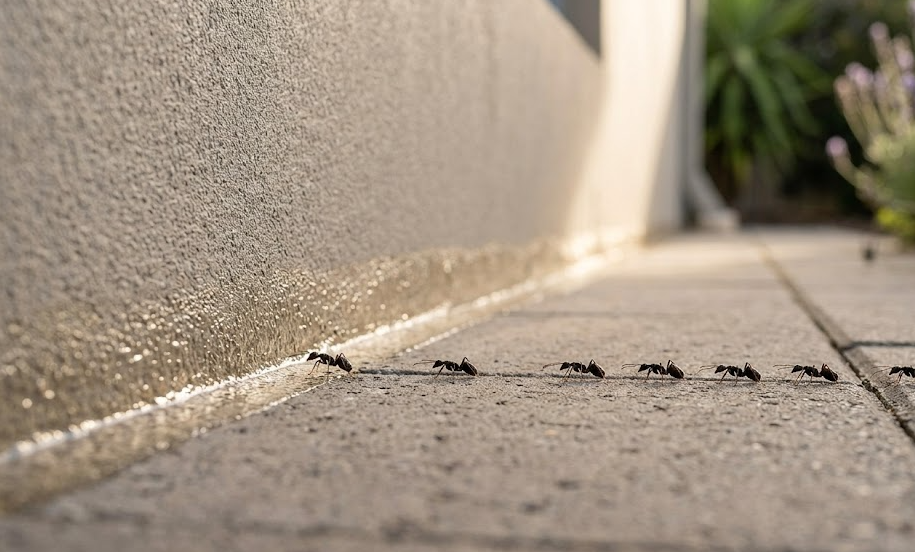
- Mud tubes: These small, pencil-thin tunnels built from soil and saliva allow termites to travel safely between their colony and food sources while avoiding open air. Mud tubes are often found on foundation walls, timber framing, or soil-to-wood contact points.
- Damaged wood: Termite-infested wood may appear hollow, flaky, or crumbly. When tapped, it often sounds hollow due to the internal tunnelling by termites.
- Swarmers and shed wings: Winged termites (swarmers) emerge during the breeding season and may be seen near windowsills or light sources. Shed wings left behind are also a clear sign of termite activity.
Areas Typically Inspected
Termite inspectors conduct a thorough examination of the entire property, focusing on high-risk zones such as:
Subfloor and crawl spaces: Inspectors check wooden floorboards, joists, and support beams for signs of infestation or moisture that attracts termites.
- Walls and framing: Interior and exterior walls, especially where wood contacts soil or concrete, are carefully examined.
- Roof spaces and eaves: Termites can infest roofing timber, so inspectors look for damage or mud tubes in roof cavities and around eaves.
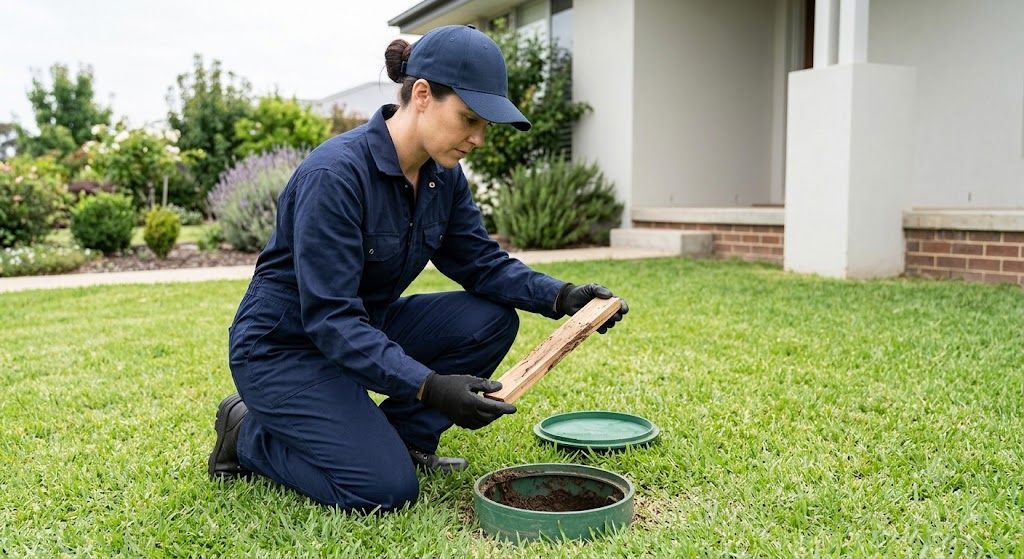
- Garden beds and fences: Soil and timber structures near the building, including fences, decks, and garden mulch, are checked as these can be termite entry points.
Specialised Tools and Technology
Professional termite inspectors use advanced tools to detect termite activity that’s hidden from plain sight, such as:
Moisture meters: Termites thrive in damp environments, so moisture levels in timber and walls are measured to identify potential infestation zones.
- Thermal imaging cameras: These devices detect heat signatures from termite colonies inside walls or under floors.
- Acoustic emission devices: Used to listen for sounds of termite chewing inside timber.
- Borescope cameras: Allow inspectors to visually examine inaccessible spaces by inserting a small camera through tiny holes.
Inspection for Other Wood-Destroying Insects
Besides termites, inspectors also look for signs of other wood-damaging pests, such as carpenter ants or beetles that can cause similar damage. Identifying the exact pest is important to determine the correct treatment plan.
The Inspection Process Step-by-Step
Initial Consultation and Property History Review
Before beginning the inspection, a professional termite inspector typically discusses the property’s history with the owner or agent. This includes any previous termite treatments, known issues, or construction details that may influence the inspection. Understanding the background helps the inspector focus on areas of concern and tailor their approach accordingly.
Physical Walkthrough and Visual Inspection
The core of the termite inspection involves a detailed physical walkthrough of the property. The inspector carefully examines all accessible areas, including:
- The subfloor and crawl spaces, checking timber flooring, beams, and supports for signs of termite damage or moisture issues.
- External walls, especially where timber or wooden structures meet the soil or concrete foundation.
- Roof spaces and eaves for any evidence of infestation or damage.
- Outdoor areas such as garden beds, wooden fences, decks, and mulch piles that could provide termite access.
During this phase, the inspector looks closely for visible signs like mud tubes, damaged wood, and termite droppings.
Use of Tools and Technology to Detect Hidden Infestations
Since termites often operate hidden from view, inspectors use specialised equipment to uncover infestations that aren’t immediately visible:
- Moisture meters measure dampness levels in timber and walls, as termites prefer moist environments.
- Thermal imaging cameras detect heat variations that may indicate termite colonies inside walls or under floors.
- Borescopes and acoustic devices help identify activity in hard-to-reach or concealed spaces.
These technologies improve the accuracy and thoroughness of the inspection.
Documenting Findings with Photos and Notes
A comprehensive termite inspection involves careful documentation of all observations. Inspectors take photos of problem areas, note infestation signs, and record risk assessments. This detailed documentation supports the written inspection report and helps property owners understand the condition of their building.
Approximate Timeframe of an Inspection
The length of a termite inspection varies depending on the property’s size, complexity, and accessibility. Typically, a standard residential inspection takes between one to two hours. Larger commercial properties or those with extensive timber structures may require longer. The inspector will advise you on the expected duration during the initial consultation.
Importance of a Thorough Inspection for Real Estate Transactions
If you’re buying or selling a property, a pre-purchase termite inspection is often required to identify any existing or potential termite issues. This inspection provides peace of mind and is a crucial part of due diligence during property transactions. Stewarts Pest Control ensures that all aspects of the property are carefully assessed and reported for your protection.
What Happens After the Inspection
Delivery of a Detailed Inspection Report
Once the inspection is complete, the termite inspector prepares a comprehensive written report outlining their findings. This report typically includes:
- A summary of visible termite activity or damage
- Areas identified as high risk for termite infestation
- Photographic evidence supporting the observations
- Recommendations for treatment or preventive measures
This detailed documentation helps property owners make informed decisions about managing termite risks.
Explanation of Treatment and Prevention Options
If termites or conditions conducive to infestation are found, the inspector will explain the available treatment options tailored to your property’s needs. These may include:
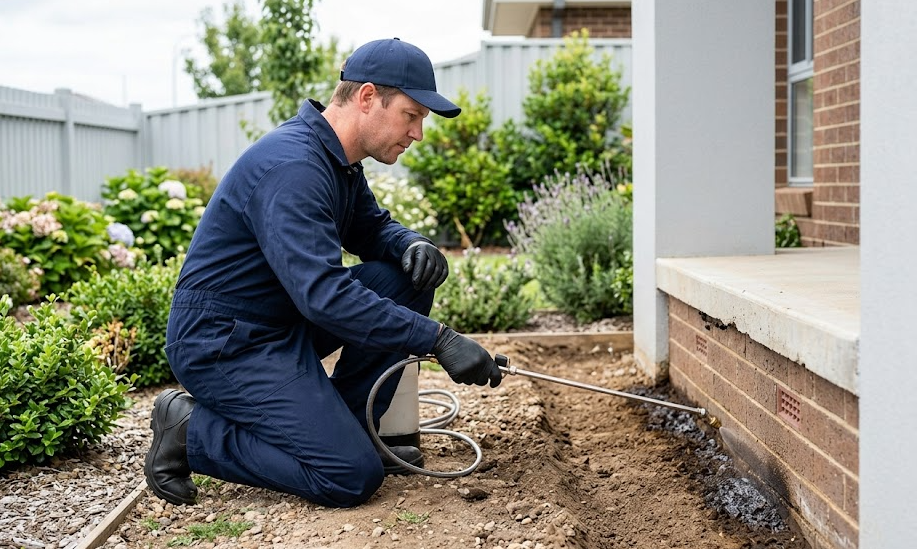
- Chemical barriers applied to soil and timber
- Baiting systems that attract and eliminate termite colonies
- Physical barriers installed during construction or renovations
The inspector will also advise on preventative steps, such as maintaining proper drainage, removing wood-to-soil contact, and regular monitoring.
Customised Termite Management Plans
Every property is unique, so Stewarts Pest Control develops personalised termite management plans based on the inspection results. Whether it’s an active infestation needing immediate treatment or ongoing prevention for a low-risk property, the plan will outline clear actions, timelines, and maintenance schedules to protect your investment.
Importance of Regular Monitoring and Follow-Up Inspections
Even after treatment, termites can return if conditions remain favourable. Regular follow-up inspections and ongoing monitoring are essential components of effective termite control. Stewarts Pest Control offers ongoing service agreements to ensure your property stays termite-free year-round, providing peace of mind.
Why Professional Termite Pest Control Matters
Choosing a professional termite pest control service ensures that treatment methods are safe, effective, and compliant with local regulations. Professional providers like Stewarts Pest Control use industry-approved products and techniques, reducing risks to your family, pets, and the environment while delivering long-lasting protection.
How to Prepare for Your Termite Inspection
Clear Access to Inspection Areas
To ensure a thorough termite inspection, it’s important to provide clear and safe access for the inspector to all relevant parts of your property. This means:
- Removing any clutter or stored items from under floors, in crawl spaces, and around the perimeter of your home.
- Trimming back vegetation, shrubs, or tree branches that may obstruct access to external walls or foundations.
- Ensuring gates or fences leading to the backyard or side areas are unlocked or accessible.
Clear access helps the inspector conduct a detailed examination without delays or missed spots.
Informing the Inspector About Previous Treatments and Issues
Providing the termite inspector with information about any previous termite treatments, damage repairs, or known pest problems can significantly assist the inspection process. If you have records of past pest control services, warranties, or structural repairs, have them ready to share. This background helps the inspector identify areas needing special attention and understand the property’s history.
Preparing Documentation and Questions
Have relevant documents on hand, such as property plans, building permits, or previous inspection reports, if available. Additionally, prepare a list of questions or concerns you want to discuss with the inspector. This ensures that all your queries regarding termite risks, treatment options, and ongoing protection are addressed during the inspection.
Setting Realistic Expectations for the Inspection Day
Termite inspections are detailed processes that require time and patience. Depending on your property size and complexity, the inspection may take one to two hours or longer. Be prepared for the inspector to access tight or low spaces and for possible minor disruptions. Also, keep in mind that while inspectors do their best to identify all signs of termites, some infestations may be concealed in areas that are inaccessible.
Coordinating with Your Property Manager or Real Estate Agent
If you are a tenant, landlord, or involved in a property sale, coordinate with the relevant parties to ensure everyone is informed about the inspection schedule and requirements. This helps facilitate smooth access and communication before, during, and after the inspection.
Common Questions About Termite Inspections Answered
Are Termite Inspections Covered by Home Insurance?
Most standard home insurance policies do not cover termite damage or inspections. Termite damage is usually considered preventable through regular maintenance and inspections. That’s why investing in professional termite inspections is crucial—it helps catch infestations early before they cause costly structural damage that insurance won’t pay for.
How Much Does a Professional Termite Inspection Cost?
The cost of a termite inspection varies depending on factors like property size, location, and accessibility. On average, a residential inspection can range from $200 to $400 in Perth. While this might seem like an upfront expense, it’s a small price to pay compared to the potential cost of untreated termite damage. Stewarts Pest Control offers competitive pricing and transparent quotes tailored to your property.
How Long Does It Take to Receive the Inspection Report?
Most professional termite inspection companies, including Stewarts Pest Control, provide the written report within 24 to 48 hours after the inspection. The report includes detailed findings, photos, risk assessments, and treatment recommendations, allowing you to take timely action if needed.
Can a Termite Inspection Guarantee That There Are No Termites?
While professional inspections are highly thorough, no inspection can offer a 100% guarantee that termites are completely absent. Termites can sometimes be hidden in inaccessible areas or just starting to invade. However, a professional inspection significantly reduces risk by identifying signs of activity and vulnerable areas early on.
How Often Should I Have a Termite Inspection?
It’s generally recommended to schedule a termite inspection annually. However, if you live in a high-risk area, have a history of termite problems, or notice signs of termite activity, more frequent inspections may be necessary. Regular inspections ensure ongoing protection and early detection.
What Happens If Termites Are Found?
If termites are detected during an inspection, the inspector will provide a clear treatment plan tailored to your property’s needs. Treatment options may include chemical barriers, baiting systems, or localised spot treatments. Following treatment, ongoing monitoring and follow-up inspections are essential to ensure the infestation is fully controlled.
Do New Homes Need Termite Inspections?
Yes. Even new constructions can be at risk if termite barriers are compromised or if nearby vegetation and soil conditions favour termite activity. Scheduling inspections for new homes is a proactive measure to protect your investment from the start.
Can Landscaping Affect Termite Risk?
Absolutely. Mulch, wood piles, and dense vegetation close to the building can create ideal conditions for termites. Proper landscaping, such as keeping mulch away from foundations and removing wood debris, can reduce termite risk and complement regular inspections.
How Can I Spot Termite Damage Myself?
Some visible signs include hollow or damaged wood, small piles of termite droppings, mud tubes on walls or foundations, and swarmers inside the home. However, many termite activities remain hidden, which is why professional inspections are necessary for reliable detection.
Protect Your Property Before It’s Too Late
Have you taken the necessary steps to safeguard your home or business from the costly damage termites can cause?
Regular professional termite inspections are your best defence against these destructive pests, providing early detection and peace of mind.
By choosing a trusted termite inspection company like Stewarts Pest Control, you ensure a thorough and expert assessment tailored to your property’s unique needs. Our experienced inspectors use the latest technology and techniques to uncover hidden termite activity and recommend effective treatment and prevention strategies.
Don’t wait until termites have caused irreversible damage—schedule your professional termite inspection today with Stewarts Pest Control. Protect your investment, maintain the safety of your property, and enjoy the confidence that comes with knowing you’re well prepared against termite threats.
Contact us now to book your inspection or to learn more about our comprehensive termite management services.