Wood flooring over concrete or other floors are a disaster waiting to happen!

Phil Stewart, Stewarts Pest Control • October 15, 2003

Wood Over Concrete Floors, Invite For Termite Party

Wood flooring over concrete or other floors are a disaster waiting to happen!


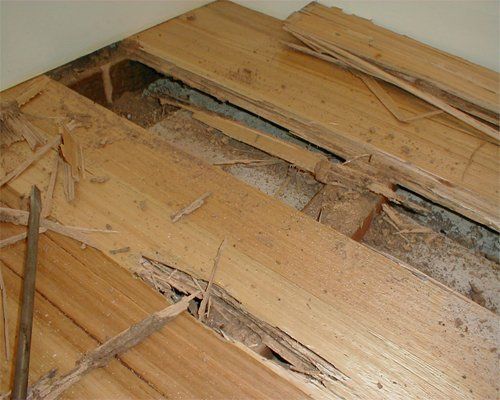
Although very attractive, comfortable and easy to clean, parquetry and other decorative wood floor finishes layed on concrete or other surfaces can be a termite trap waiting to happen. Even if there has been a termite treatment carried out on the building, there is still a large risk of having more termite damage than if there were no wood over concrete or other floors.

Stewarts are getting an increasing number of people each week with the problem of termites eating their expensive decorative wood flooring. With the popularity of this type of floor covering increasing, it will be a problem for StewartS and building owners to contend with for many years.

A large portion of the problem lies with the original building design. Although a building may be built properly with its concrete or wooden floor, the design of a concrete floor building does not facilitate the problems that may occur with a wooden floor.

The Australian Standard for sub floor clearance in a wooden floor building is a minimum of 400 ml. This is to aid and allow access for Inspectors and their services (ie. Electricians, Pest Controllers, Plumbers, etc) although more importantly, the floor clearance aids air circulation which helps stop dampness, mould, fungus, rot and creates a less desirable place for termites.

Concrete floor buildings when built to the Australian Standards should have no problems with dampness, mould, fungus and wood rot. When you put a wooden floor over the concrete floor without the required space for air circulation or inspection etc., you open the door for a build up of dampness, mould, rot, fungus and termites.

Along with the above problem when termites have unrestricted access under or in between the wood layers, they can go anywhere in the building the wood floor takes them and be undetectable.

The wooden floor might not be of interest to the termites as a food source, but use it to obtain a more desirable source of cellulose food.

If the concrete floor is insufficient, has construction faults or cracks that the termites can enter through, finding the entry point of the termites or placing an adequate termite treatment, usually will result in destroying the wooden floor.

This can be a Pest Controller’s nightmare trying to track down termite entry points and secure a termite barrier, not to mention the building owners anguish and frustration.

Stewarts have found in most situations with modern concrete floor homes, termites have been able to breach the termite treatment or physical barrier to gain access to the decorative wood floor. In past experiences, it has been from an area where there is a join or break in the continuos concrete floor surface which usually occur with additions and alterations to the original floor.

Decorative wood floor problems with industrial or public buildings are far worse with no requirement at all for these buildings to have termite treatment or physical barriers when built. The nature and the way these buildings are constructed also allows for easier access of termites.

Stewarts have had clients with termite infestations in decorative wood flooring in many different situations like:

  • The second floor of an office building in West Perth
  • The sprung and suspended floor of a large indoor sporting club in Armadale
  • The display window of a store in Hay Street, Perth
  • The dance floor of a night club in Northbridge
  • Many homes and normal offices on a regular basis almost daily

The treatment of termite infested decorative wood flooring is costly, not easy, and not fool proof. First Stewarts have to try and establish if:

  1. The termite problem is coming from under the floor
  2. Another area; or
  3. They are just eating the floor or using it as a mode of transport to get to other areas

If this cannot be established, then treatment methods must be adopted one by one to try and stop the attack in the least expensive way for the client and the least destructive way to the flooring and the building.

If the mode of entry has been established then Stewarts can carry out a more direct and effective method.

In severe situations, the decorative floor cannot be saved. These situation usually involve a concrete floor that is cracked or where the surface under the decorative flooring is not concrete and penetrable by termites. In such cases the floor will have to be grid drilled at 30cm intervals and injected with a Termiticide to try and form a continuous barrier under it. The ability to form a continuous barrier depends on the soil fill under the flooring. To do any of this usually the decorative floor would be destroyed by the drilling if the termites have not already done so.

Termite proof or treated timber used in decorative wood flooring does not stop any of the above mentioned problems. The termites will not eat it but they will still use it as a mode of transport to get to other parts of the building and to cellulose food. The same problems can exist with dampness, rot and fungus equally as well. All the problems in treating a normal decorative wood floor apply to a termite uneatable decorative wood flooring and associated termite problems including the possible destruction of the floor.


By Peta Stewart December 15, 2025
Have you ever wondered what goes on during a professional termite inspection and why it’s so crucial for protecting your home or business? Termites are silent destroyers that can cause extensive damage before you even notice a problem. That’s why scheduling a thorough termite inspection is one of the smartest steps you can take to safeguard your property’s value and structural integrity. A professional termite inspection goes far beyond a simple visual check. It involves trained experts using specialised tools and techniques to detect signs of termite activity that are often hidden from the untrained eye. Whether you’re buying a new property, maintaining your current home, or managing a commercial space, knowing what to expect during this process helps you prepare and understand the importance of timely action. At Stewarts Pest Control, a trusted termite treatment company serving Perth and surrounding areas, we prioritise thorough inspections to identify termite risks early and recommend effective solutions. In this article, we’ll guide you through every step of a professional termite inspection so you can feel confident in protecting your investment. Why You Need a Professional Termite Inspection Understanding the Risks of Termite Infestation Termites are notorious for causing significant structural damage to homes and buildings by feeding on wood and other cellulose materials. What makes termites especially dangerous is their ability to remain hidden while causing costly destruction beneath floors, inside walls, and in roofing structures. Left unchecked, termite infestations can weaken the foundation of your property, leading to expensive repairs and safety hazards. Early Detection Saves You Money and Stress Catching termite activity early through professional inspections is critical. Early detection means the infestation can be treated before it spreads extensively, saving you from major structural damage and costly restoration work. A professional inspection identifies not only current termite presence but also potential risk areas where termites might enter, allowing you to take preventative measures. Why DIY Checks Are Not Enough While homeowners might occasionally notice visible signs like mud tubes or damaged wood, termite activity often goes unnoticed without specialised knowledge and equipment. DIY inspections can miss subtle or hidden infestations, giving a false sense of security. Professional termite inspectors are trained to spot these signs and use advanced tools such as moisture meters and thermal imaging to uncover hidden colonies. How Stewarts Pest Control Protects Your Property As a reputable termite inspection and treatment company in Perth, Stewarts Pest Control offers comprehensive inspections backed by years of industry experience. Our expert inspectors know exactly what to look for and how to assess the level of risk to your property. By choosing professional inspections, you ensure you have accurate information and effective termite management recommendations to protect your home or business. When to Schedule a Termite Inspection Recommended Inspection Frequency Termite activity can vary depending on factors like climate, property age, and surrounding vegetation. As a general rule, it’s advisable to schedule a professional termite inspection at least once every 12 months. Annual inspections help catch early signs of termite presence before serious damage occurs. For properties located in high-risk areas or with a history of termite problems, more frequent inspections, such as every six months, may be recommended. Signs That You Need an Immediate Inspection While regular inspections are important, certain warning signs indicate the need for an urgent termite assessment. These signs include: Visible mud tubes or tunnels along walls or foundations Hollow or damaged wood that sounds hollow when tapped Swarmers (winged termites) inside or around the property Cracked or bubbling paint that could signal moisture or termite damage If you notice any of these signs, it’s essential to book a termite inspection promptly to prevent further infestation. During Real Estate Transactions and Renovations Termite inspections are a critical part of property buying or selling processes in Perth. Lenders and buyers often require a termite report to assess risk before finalising a sale. Similarly, if you are planning a renovation or construction project, scheduling a termite inspection helps identify any existing issues that might affect building work or require treatment beforehand. Local Climate and Environmental Factors Perth’s warm climate and surrounding natural vegetation create ideal conditions for termite activity year-round. Properties near gardens, mulch, or timber fencing are particularly vulnerable. Because termite threats persist regardless of season, regular inspections by professionals familiar with local risks are essential to maintaining property safety. Choosing a Trusted Provider When scheduling your termite inspection, selecting an experienced and reliable provider ensures the inspection is thorough and accurate. Stewarts Pest Control offers expert advice and a trusted termite inspection service in Perth tailored to your property’s unique needs. What a Professional Termite Inspector Looks For Common Signs of Termite Activity Professional termite inspectors are trained to identify a range of indicators that suggest termite presence, even when infestations are not visible to the untrained eye. Some of the most common signs include: Mud tubes: These small, pencil-thin tunnels built from soil and saliva allow termites to travel safely between their colony and food sources while avoiding open air. Mud tubes are often found on foundation walls, timber framing, or soil-to-wood contact points. Damaged wood: Termite-infested wood may appear hollow, flaky, or crumbly. When tapped, it often sounds hollow due to the internal tunnelling by termites. Swarmers and shed wings: Winged termites (swarmers) emerge during the breeding season and may be seen near windowsills or light sources. Shed wings left behind are also a clear sign of termite activity. Areas Typically Inspected Termite inspectors conduct a thorough examination of the entire property, focusing on high-risk zones such as: Subfloor and crawl spaces: Inspectors check wooden floorboards, joists, and support beams for signs of infestation or moisture that attracts termites. Walls and framing: Interior and exterior walls, especially where wood contacts soil or concrete, are carefully examined. Roof spaces and eaves: Termites can infest roofing timber, so inspectors look for damage or mud tubes in roof cavities and around eaves. Garden beds and fences: Soil and timber structures near the building, including fences, decks, and garden mulch, are checked as these can be termite entry points. Specialised Tools and Technology Professional termite inspectors use advanced tools to detect termite activity that’s hidden from plain sight, such as: Moisture meters: Termites thrive in damp environments, so moisture levels in timber and walls are measured to identify potential infestation zones. Thermal imaging cameras: These devices detect heat signatures from termite colonies inside walls or under floors. Acoustic emission devices: Used to listen for sounds of termite chewing inside timber. Borescope cameras: Allow inspectors to visually examine inaccessible spaces by inserting a small camera through tiny holes. Inspection for Other Wood-Destroying Insects Besides termites, inspectors also look for signs of other wood-damaging pests, such as carpenter ants or beetles that can cause similar damage. Identifying the exact pest is important to determine the correct treatment plan. The Inspection Process Step-by-Step Initial Consultation and Property History Review Before beginning the inspection, a professional termite inspector typically discusses the property’s history with the owner or agent. This includes any previous termite treatments, known issues, or construction details that may influence the inspection. Understanding the background helps the inspector focus on areas of concern and tailor their approach accordingly. Physical Walkthrough and Visual Inspection The core of the termite inspection involves a detailed physical walkthrough of the property. The inspector carefully examines all accessible areas, including: The subfloor and crawl spaces, checking timber flooring, beams, and supports for signs of termite damage or moisture issues. External walls, especially where timber or wooden structures meet the soil or concrete foundation. Roof spaces and eaves for any evidence of infestation or damage. Outdoor areas such as garden beds, wooden fences, decks, and mulch piles that could provide termite access. During this phase, the inspector looks closely for visible signs like mud tubes, damaged wood, and termite droppings. Use of Tools and Technology to Detect Hidden Infestations Since termites often operate hidden from view, inspectors use specialised equipment to uncover infestations that aren’t immediately visible: Moisture meters measure dampness levels in timber and walls, as termites prefer moist environments. Thermal imaging cameras detect heat variations that may indicate termite colonies inside walls or under floors. Borescopes and acoustic devices help identify activity in hard-to-reach or concealed spaces. These technologies improve the accuracy and thoroughness of the inspection. Documenting Findings with Photos and Notes A comprehensive termite inspection involves careful documentation of all observations. Inspectors take photos of problem areas, note infestation signs, and record risk assessments. This detailed documentation supports the written inspection report and helps property owners understand the condition of their building. Approximate Timeframe of an Inspection The length of a termite inspection varies depending on the property’s size, complexity, and accessibility. Typically, a standard residential inspection takes between one to two hours. Larger commercial properties or those with extensive timber structures may require longer. The inspector will advise you on the expected duration during the initial consultation. Importance of a Thorough Inspection for Real Estate Transactions If you’re buying or selling a property, a pre-purchase termite inspection is often required to identify any existing or potential termite issues. This inspection provides peace of mind and is a crucial part of due diligence during property transactions. Stewarts Pest Control ensures that all aspects of the property are carefully assessed and reported for your protection. What Happens After the Inspection Delivery of a Detailed Inspection Report Once the inspection is complete, the termite inspector prepares a comprehensive written report outlining their findings. This report typically includes: A summary of visible termite activity or damage Areas identified as high risk for termite infestation Photographic evidence supporting the observations Recommendations for treatment or preventive measures This detailed documentation helps property owners make informed decisions about managing termite risks. Explanation of Treatment and Prevention Options If termites or conditions conducive to infestation are found, the inspector will explain the available treatment options tailored to your property’s needs. These may include: Chemical barriers applied to soil and timber Baiting systems that attract and eliminate termite colonies Physical barriers installed during construction or renovations The inspector will also advise on preventative steps, such as maintaining proper drainage, removing wood-to-soil contact, and regular monitoring. Customised Termite Management Plans Every property is unique, so Stewarts Pest Control develops personalised termite management plans based on the inspection results. Whether it’s an active infestation needing immediate treatment or ongoing prevention for a low-risk property, the plan will outline clear actions, timelines, and maintenance schedules to protect your investment. Importance of Regular Monitoring and Follow-Up Inspections Even after treatment, termites can return if conditions remain favourable. Regular follow-up inspections and ongoing monitoring are essential components of effective termite control. Stewarts Pest Control offers ongoing service agreements to ensure your property stays termite-free year-round, providing peace of mind. Why Professional Termite Pest Control Matters Choosing a professional termite pest control service ensures that treatment methods are safe, effective, and compliant with local regulations. Professional providers like Stewarts Pest Control use industry-approved products and techniques, reducing risks to your family, pets, and the environment while delivering long-lasting protection. How to Prepare for Your Termite Inspection Clear Access to Inspection Areas To ensure a thorough termite inspection, it’s important to provide clear and safe access for the inspector to all relevant parts of your property. This means: Removing any clutter or stored items from under floors, in crawl spaces, and around the perimeter of your home. Trimming back vegetation, shrubs, or tree branches that may obstruct access to external walls or foundations. Ensuring gates or fences leading to the backyard or side areas are unlocked or accessible. Clear access helps the inspector conduct a detailed examination without delays or missed spots. Informing the Inspector About Previous Treatments and Issues Providing the termite inspector with information about any previous termite treatments, damage repairs, or known pest problems can significantly assist the inspection process. If you have records of past pest control services, warranties, or structural repairs, have them ready to share. This background helps the inspector identify areas needing special attention and understand the property’s history. Preparing Documentation and Questions Have relevant documents on hand, such as property plans, building permits, or previous inspection reports, if available. Additionally, prepare a list of questions or concerns you want to discuss with the inspector. This ensures that all your queries regarding termite risks, treatment options, and ongoing protection are addressed during the inspection. Setting Realistic Expectations for the Inspection Day Termite inspections are detailed processes that require time and patience. Depending on your property size and complexity, the inspection may take one to two hours or longer. Be prepared for the inspector to access tight or low spaces and for possible minor disruptions. Also, keep in mind that while inspectors do their best to identify all signs of termites, some infestations may be concealed in areas that are inaccessible. Coordinating with Your Property Manager or Real Estate Agent If you are a tenant, landlord, or involved in a property sale, coordinate with the relevant parties to ensure everyone is informed about the inspection schedule and requirements. This helps facilitate smooth access and communication before, during, and after the inspection. Common Questions About Termite Inspections Answered Are Termite Inspections Covered by Home Insurance? Most standard home insurance policies do not cover termite damage or inspections. Termite damage is usually considered preventable through regular maintenance and inspections. That’s why investing in professional termite inspections is crucial—it helps catch infestations early before they cause costly structural damage that insurance won’t pay for. How Much Does a Professional Termite Inspection Cost? The cost of a termite inspection varies depending on factors like property size, location, and accessibility. On average, a residential inspection can range from $200 to $400 in Perth. While this might seem like an upfront expense, it’s a small price to pay compared to the potential cost of untreated termite damage. Stewarts Pest Control offers competitive pricing and transparent quotes tailored to your property. How Long Does It Take to Receive the Inspection Report? Most professional termite inspection companies, including Stewarts Pest Control, provide the written report within 24 to 48 hours after the inspection. The report includes detailed findings, photos, risk assessments, and treatment recommendations, allowing you to take timely action if needed. Can a Termite Inspection Guarantee That There Are No Termites? While professional inspections are highly thorough, no inspection can offer a 100% guarantee that termites are completely absent. Termites can sometimes be hidden in inaccessible areas or just starting to invade. However, a professional inspection significantly reduces risk by identifying signs of activity and vulnerable areas early on. How Often Should I Have a Termite Inspection? It’s generally recommended to schedule a termite inspection annually. However, if you live in a high-risk area, have a history of termite problems, or notice signs of termite activity, more frequent inspections may be necessary. Regular inspections ensure ongoing protection and early detection. What Happens If Termites Are Found? If termites are detected during an inspection, the inspector will provide a clear treatment plan tailored to your property’s needs. Treatment options may include chemical barriers, baiting systems, or localised spot treatments. Following treatment, ongoing monitoring and follow-up inspections are essential to ensure the infestation is fully controlled. Do New Homes Need Termite Inspections? Yes. Even new constructions can be at risk if termite barriers are compromised or if nearby vegetation and soil conditions favour termite activity. Scheduling inspections for new homes is a proactive measure to protect your investment from the start. Can Landscaping Affect Termite Risk? Absolutely. Mulch, wood piles, and dense vegetation close to the building can create ideal conditions for termites. Proper landscaping, such as keeping mulch away from foundations and removing wood debris, can reduce termite risk and complement regular inspections. How Can I Spot Termite Damage Myself? Some visible signs include hollow or damaged wood, small piles of termite droppings, mud tubes on walls or foundations, and swarmers inside the home. However, many termite activities remain hidden, which is why professional inspections are necessary for reliable detection. Protect Your Property Before It’s Too Late Have you taken the necessary steps to safeguard your home or business from the costly damage termites can cause? Regular professional termite inspections are your best defence against these destructive pests, providing early detection and peace of mind. By choosing a trusted termite inspection company like Stewarts Pest Control, you ensure a thorough and expert assessment tailored to your property’s unique needs. Our experienced inspectors use the latest technology and techniques to uncover hidden termite activity and recommend effective treatment and prevention strategies. Don’t wait until termites have caused irreversible damage—schedule your professional termite inspection today with Stewarts Pest Control. Protect your investment, maintain the safety of your property, and enjoy the confidence that comes with knowing you’re well prepared against termite threats. Contact us now to book your inspection or to learn more about our comprehensive termite management services.
By Peta Stewart December 11, 2025
Are you confident your home is protected from the costly damage termites can cause? Termites are silent invaders that can compromise the structural integrity of your property without obvious signs until significant harm has already been done. For homeowners in Perth, understanding the right approach to termite management is crucial to safeguarding your investment and ensuring peace of mind. Choosing the right termite treatment option can be overwhelming, with various methods available depending on the type of infestation, property layout, and environmental considerations. Making an informed decision requires expert knowledge and experience to identify the most effective and safe solution for your home. At Stewarts Pest Control , we specialise in providing tailored termite solutions backed by years of local expertise. Whether you’re facing an active termite problem or want to implement preventative measures, we can guide you through the process with professional advice and reliable service. If you’re searching for termite treatment in Perth that protects your home thoroughly and responsibly, this guide will help you understand your options and make the best choice for your property. Understanding Termites and Their Impact What Are Termites? Termites are small, social insects that feed on cellulose, the main component of wood and other plant materials. Often called “silent destroyers,” they live in colonies that can number in the millions. Termites play an essential role in nature by breaking down dead wood and recycling nutrients. However, when they invade homes, they cause severe damage by feeding on structural timber, furniture, and other wooden materials, often unnoticed until the damage becomes extensive. Common Types of Termites Found in Australia Australia is home to several termite species, but the ones most commonly affecting homes fall into three main categories: Subterranean Termites: These are the most widespread and destructive in Australia. They build large colonies underground and create mud tunnels to access above-ground wood sources. Subterranean termites thrive in moist environments and are notorious for causing significant structural damage. How Termites Damage Homes and Why Early Treatment Is Critical Termites consume wood from the inside out, hollowing beams, floorboards, and other structural elements without obvious external signs. This hidden destruction weakens the integrity of your home, potentially leading to costly repairs or safety hazards. Early detection and treatment are vital because: Termites multiply rapidly, expanding the infestation within weeks or months. Damage accumulates silently, often going unnoticed until it becomes severe. Prompt intervention can save thousands of dollars in repair costs and preserve your home’s value. Signs of Termite Infestation to Watch For Being able to recognise the early warning signs of termites can make all the difference. Common indicators include: Mud Tubes: These narrow, dirt-covered tunnels on walls, foundations, or wooden structures provide termites with protected pathways between soil and food sources. Swarmers or Discarded Wings: Flying termites, known as Alates swarmers, emerge during breeding season. Finding discarded wings near windows or doors can indicate an infestation. Hollow or Damaged Wood: Wood that sounds hollow when tapped or shows visible damage may be infested. Frass (Termite Droppings): Drywood termites leave behind tiny, pellet-like droppings near entry points. Cracked or Bubbling Paint: Termite activity beneath surfaces can cause paint to blister or crack. Recognising these signs early and consulting professionals like Stewarts Pest Control can help you act quickly and protect your home effectively. Why Professional Termite Treatment Is Essential Limitations of DIY Termite Control While the idea of handling termite issues on your own might seem appealing, DIY termite control methods often fall short in effectively eliminating these persistent pests. Over-the-counter treatments or home remedies usually target visible signs of termites but rarely reach deep into hidden colonies or structural wood. Additionally, improper application of chemicals can pose health risks to your family and pets, or cause environmental damage. Without specialised knowledge and equipment, it’s nearly impossible to ensure complete eradication and long-term protection. Benefits of Hiring Licensed and Experienced Pest Control Experts Engaging professional pest control services offers significant advantages that DIY approaches cannot match. Licensed experts like Stewarts Pest Control have extensive training and access to advanced tools and treatment options specifically designed to target termite colonies thoroughly and safely. Professionals conduct a detailed assessment to understand the scope of the infestation and customise treatment plans tailored to your home’s unique needs. Key benefits include: Accurate Identification: Professionals can correctly identify termite species and determine the extent of the infestation, which is crucial for selecting the right treatment method. Effective Treatment Solutions: Expert applicators use industry-approved chemicals and baiting systems that comply with safety standards, ensuring effective and environmentally responsible termite control. Ongoing Monitoring and Maintenance: Pest control companies provide follow-up visits and monitoring to detect any new termite activity early and maintain your home’s protection over time. Long-Term Cost Savings by Preventing Severe Damage Investing in professional termite treatment upfront can save you significant expenses down the track. Termite damage repairs often involve structural timber replacement, pest damage remediation, and even renovations that can cost thousands of dollars. By addressing termite issues promptly and thoroughly, professional treatment prevents these costly repairs and preserves your property’s value. Moreover, some insurance policies may not cover termite damage if regular professional treatments and inspections are not documented. Having a trusted pest control partner like Stewarts Pest Control ensures your home remains safeguarded, giving you peace of mind and protecting your investment for the long term. Overview of Common Termite Treatment Options Treatment Depends on Infestation Type, Location, and Home Structure Before choosing a termite treatment, it’s important to understand that there is no one-size-fits-all solution. The best method depends on various factors such as the type of termites present, the severity and location of the infestation, the construction style of your home, and environmental considerations. Professional pest control experts carefully assess these elements to recommend the most suitable treatment option that balances effectiveness, safety, and convenience. Main Treatment Types Below is an overview of the most common termite treatment methods available to homeowners: Chemical Barrier Treatments This method involves applying a specialised chemical termiticide to the soil around and beneath your home to create a protective barrier. The chemical either repels or kills termites when they attempt to cross it. How It Works: Professionals drill into the soil and inject or apply termiticide, forming a continuous chemical shield that prevents termites from entering your home undetected. When It’s Used: Chemical barriers are often the go-to treatment for both existing infestations and preventative protection during or after construction. Key Considerations: This method requires careful application by trained technicians to ensure the barrier is complete and effective. Baiting Systems Termite baiting is a less invasive option that involves installing bait stations around your property’s perimeter. How It Works: Baits contain a slow-acting toxic substance that worker termites carry back to their colony, gradually eliminating it from within. When It’s Used: Baiting is popular for both control and monitoring, especially in environmentally sensitive areas or when chemical use needs to be minimised. Key Considerations: Baiting requires ongoing monitoring and maintenance to check bait consumption and termite activity, making it a longer-term commitment. Chemical Barrier Treatments What Chemical Barrier Treatment Involves Chemical barrier treatment is one of the most widely used and effective termite control methods. It involves applying a specialised termiticide chemical to the soil surrounding and beneath your home to create an invisible barrier. This barrier either repels termites or kills them when they come into contact with the treated soil. The treatment is designed to prevent termites from gaining access to your home’s wooden structures. How Chemical Barriers Protect Your Home The termiticide is strategically applied around the foundation and any points of potential termite entry such as slab penetrations, expansion joints, and around pipes. When subterranean termites attempt to cross the treated zone, they are either repelled or exposed to lethal doses of the chemical, which interrupts their ability to forage and survive. This protects your home by effectively blocking termites before they can enter and cause damage. Pros of Chemical Barrier Treatments Immediate Effectiveness: Chemical barriers provide a rapid and comprehensive solution, creating a protective shield around your home. Wide Coverage: The treatment covers all vulnerable entry points, providing consistent protection for the entire perimeter. Long-Lasting Protection: Modern termiticides are designed to remain active in the soil for several years, reducing the frequency of reapplication. Versatile Application: Suitable for new constructions as a preventative measure or existing homes with active infestations. Cons of Chemical Barrier Treatments Professional Application Required: The chemicals used require expert handling and precise application to ensure safety and effectiveness, making DIY attempts unsafe and often ineffective. Environmental Considerations: Although modern formulations are more environmentally friendly, chemical treatments still involve the use of pesticides, which need to be carefully managed to minimise environmental impact. Access Requirements: To apply the chemical barrier thoroughly, soil around the foundation often needs to be exposed, which may require minor landscaping or excavation work. How Stewarts Pest Control Safely Applies Chemical Barriers At Stewarts Pest Control, we prioritise both your home’s protection and environmental safety. Our licensed technicians use only approved, high-quality termiticides and follow strict application guidelines to ensure the treatment is both effective and responsibly applied. We conduct a comprehensive site assessment to identify all possible termite entry points and ensure the barrier is continuous and robust. We also provide clear advice on any preparation needed before treatment and offer follow-up inspections to monitor the barrier’s condition over time. Our goal is to deliver peace of mind by safeguarding your home against termites with minimal disruption and maximum safety. Termite Baiting Systems What Are Termite Baiting Systems? Termite baiting systems are a modern, environmentally friendly approach to managing termite infestations. Unlike chemical barriers, baiting involves placing small stations containing specially formulated bait around the perimeter of your property. These bait stations attract termites, which consume the bait and carry it back to their colony, gradually eliminating the entire termite population. How Termite Baits Work The bait contains a slow-acting substance that affects worker termites. When these termites feed on the bait and return to the nest, they share it with other colony members, including the queen. Over time, this disrupts the colony’s growth and leads to its collapse. Because the toxin acts slowly, it allows for effective distribution throughout the colony, making baiting a highly targeted control method. Pros of Termite Baiting Systems Environmentally Friendly: Baiting uses smaller amounts of chemicals concentrated in stations, reducing overall pesticide exposure to the environment. Non-Invasive: Installation requires minimal disruption to your property since bait stations are placed discreetly in the soil or around structures. Effective Colony Elimination: By targeting the colony at its source, baiting can provide long-term control beyond just treating visible infestations. Continuous Monitoring: Bait stations serve as monitoring tools, allowing for early detection of termite activity before damage occurs. Cons of Termite Baiting Systems Slower Results: Compared to chemical barriers, baiting can take several weeks or months to significantly reduce termite populations. Ongoing Maintenance Required: Regular monitoring and replenishing of bait stations are essential for continued effectiveness, requiring scheduled visits from pest control professionals. Not Suitable for Severe Infestations Alone: In cases of heavy infestation, baiting may need to be combined with other treatments for immediate control. Stewarts Pest Control’s Approach to Baiting System Installation and Maintenance At Stewarts Pest Control, we tailor termite baiting systems to suit your property’s unique needs. Our trained technicians conduct a thorough assessment to determine optimal bait station placement, ensuring maximum termite attraction and effectiveness. We install the bait stations carefully to minimise impact on your garden or landscaping. We also provide ongoing monitoring services, routinely checking stations for termite activity and replenishing bait as needed. Our experts keep detailed records to track termite presence and adjust treatment plans accordingly. This proactive approach helps catch infestations early and maintain long-term protection. For homeowners considering property purchases, we often recommend combining termite baiting with a professional pre purchase termite inspection to ensure you fully understand the termite risk before making decisions. Physical Barriers and Building Treatments What Are Physical Barriers? Physical barriers are non-chemical materials or construction techniques designed to prevent termites from accessing timber in your home. Unlike chemical treatments, these barriers rely on materials termites cannot penetrate, effectively blocking their entry routes. Physical barriers are often installed during the construction phase but can also be retrofitted to existing buildings as part of a comprehensive termite management plan. Common Types of Physical Barriers Stainless Steel Mesh: Fine stainless steel mesh can be installed around foundations, under slabs, and within wall cavities to physically block termites. This mesh is durable, corrosion-resistant, and effective at preventing termite entry. Sand Barriers: Certain sizes of sand particles create a barrier termites cannot tunnel through. Sand is laid around foundations or under slabs to create a hostile environment for termite movement. Concrete and Steel Barriers: Solid concrete slabs and steel reinforcements act as robust physical barriers during building construction, limiting termite access points. Benefits of Physical Barriers Chemical-Free Protection: Physical barriers provide termite prevention without the use of pesticides, making them ideal for environmentally conscious homeowners. Durability and Longevity: High-quality physical barriers are designed to last for the lifetime of the building with minimal maintenance. Preventative Solution: Installing physical barriers during construction helps eliminate termite risks before they arise, reducing future treatment needs. Limitations and Considerations Installation Costs: Physical barriers can be more expensive upfront compared to chemical treatments, especially when retrofitting existing homes. Retrofitting Challenges: Adding physical barriers to established properties may require invasive work such as excavation or renovations. No Active Termite Control: Physical barriers prevent termite access but do not eliminate existing colonies, so they are best used alongside other treatments if infestation is present. How Stewarts Pest Control Advises on Physical Barriers As a trusted Perth-based termite pest control company , Stewarts Pest Control offers expert guidance on integrating physical barriers into your home’s termite protection plan. For new builds or major renovations, our team works with builders and homeowners to recommend suitable barrier systems that comply with Australian standards and local building codes. For existing homes, we assess your property’s vulnerability and discuss feasible retrofit options to enhance protection. Our goal is to help you make informed decisions that balance cost, effectiveness, and environmental concerns. We also advise on combining physical barriers with chemical or baiting treatments when necessary, providing a comprehensive defence against termites. Wood Treatments and Surface Applications What Are Wood Treatments? Wood treatments involve applying chemical preservatives directly to timber surfaces to deter or eliminate termites. These treatments are designed to make the wood either toxic or unappealing to termites, thereby reducing the risk of infestation and damage. Wood treatments can be applied to both new and existing timber structures, including framing, furniture, and exposed wooden surfaces. Common Methods of Applying Wood Treatments Surface Sprays and Paints: These are chemicals applied to wood surfaces as a protective coating. They create a barrier that repels termites or kills them upon contact. This method is often used for exposed timbers and outdoor woodwork. Chemical Injections: For more severe infestations, chemicals can be injected directly into wood or around infested areas to target termites inside the timber. Pressure Treatment: During the manufacturing process, timber can be pressure-treated with preservatives to enhance termite resistance before use in construction. Pros of Wood Treatments Targeted Protection: Wood treatments focus on protecting vulnerable wooden elements in your home, especially exposed or decorative timber. Supplementary Control: When combined with other termite management methods, wood treatments add an additional layer of protection. Cost-Effective for Localised Protection: Suitable for protecting specific areas without treating the entire soil perimeter. Cons of Wood Treatments Limited Reach: Wood treatments protect only the treated timber surfaces and do not address termite colonies or infestations in the surrounding soil. Requires Regular Reapplication: Surface treatments may degrade over time due to weathering or wear and require periodic reapplication to maintain effectiveness. Not a Standalone Solution: Wood treatment alone is often insufficient for controlling or preventing termite infestations in most homes. When Wood Treatments Are Suitable Wood treatments are most effective in the following scenarios: Protecting new timber installations such as decks, pergolas, or furniture. Supplementing existing termite management plans to protect visible timber surfaces. Addressing minor or early-stage termite damage in specific areas of your home. How Stewarts Pest Control Uses Wood Treatments as Part of Integrated Pest Management At Stewarts Pest Control, we view wood treatments as an important component of a holistic termite protection strategy. Our experts assess the condition and vulnerability of your timber and recommend appropriate treatment methods based on your home’s specific needs. We ensure the use of safe, approved chemicals applied according to industry best practices to maximise protection while minimising health and environmental risks. By combining wood treatments with soil barriers, baiting systems, or physical barriers, we provide comprehensive termite defence designed to safeguard your home from all angles. Factors to Consider When Choosing a Termite Treatment Severity and Location of Infestation The extent and location of termite activity play a crucial role in deciding the appropriate treatment. A minor, localised infestation might be managed effectively with targeted treatments like wood applications or baiting systems. In contrast, widespread or structural infestations often require more aggressive measures such as chemical barriers or a comprehensive termite removal service . Early detection and accurate assessment by professionals ensure the treatment matches the infestation’s severity, preventing unnecessary costs or ineffective solutions. Type of Termite Present Different termite species exhibit varying behaviours and habitat preferences, influencing treatment choice. Subterranean termites, for example, require soil-based barriers or baiting systems, while drywood termites live within timber and may need localised wood treatments or fumigation. Correctly identifying the termite type helps tailor the treatment for maximum effectiveness. Environmental Impact and Family Safety Homeowners increasingly prioritise environmentally responsible pest control. Treatments vary in their chemical usage and ecological footprint. Baiting systems and physical barriers are often preferred in environmentally sensitive areas or where chemical exposure is a concern. Safety considerations also include protecting children, pets, and residents from harmful substances, which makes professional guidance essential to select safe yet effective options. Property Size and Structure The size, design, and construction materials of your home affect termite treatment decisions. Larger properties or complex structures may require extensive barrier treatments or multiple bait stations to ensure full protection. New builds can incorporate physical barriers during construction, while older homes may need retrofitting or combined treatment methods to address existing vulnerabilities. Budget Considerations Cost is always a factor when choosing termite treatment. Some methods, like chemical barriers, may involve higher upfront expenses but provide long-lasting protection, potentially reducing future costs. Others, such as baiting systems or wood treatments, might be more affordable initially but require ongoing maintenance. It’s important to weigh immediate costs against long-term effectiveness and property value protection. Importance of Professional Inspection and Tailored Treatment Plans Every home is unique, so a generic treatment approach rarely works. Engaging professional pest control experts ensures a thorough assessment and a customised treatment plan designed to suit your home’s specific risks and needs. Professionals use specialised tools and knowledge to identify termite activity accurately and recommend the best combination of treatments for lasting protection. At Stewarts Pest Control, we provide expert advice and tailored termite management solutions to give you confidence in protecting your home effectively and safely. Secure Your Home’s Future: Expert Termite Protection Starts Today  Protecting your home from termite damage is a critical investment in its safety, value, and your family’s peace of mind. Choosing the right termite treatment option requires careful consideration of many factors, including the type and severity of the infestation, your property’s construction, environmental concerns, and budget. With so many treatment methods available, from chemical barriers to baiting systems, physical barriers, and wood treatments, it’s essential to rely on professional expertise to identify the most effective and safe solution for your unique situation. By partnering with an experienced provider like Stewarts Pest Control, you gain access to tailored termite management plans designed specifically to protect your home in Perth’s environment. Our commitment to using advanced techniques, thorough inspections, and ongoing monitoring ensures that your termite defence is comprehensive and reliable. Don’t wait until termite damage becomes visible and costly to repair. Contact Stewarts Pest Control today to schedule a professional assessment and learn how our trusted termite treatment service can safeguard your home now and into the future.
By Peta Stewart December 11, 2025
This is paragraph text. Click it or hit the Manage Text button to change the font, color, size, format, and more. To set up site-wide paragraph and title styles, go to Site Theme.
By Peta Stewart December 9, 2025
Do you ever feel like no matter how many times you get rid of cockroaches, they always seem to come back? You’re not alone. Cockroaches are among the most persistent pests found in Perth homes, capable of surviving in almost any environment. Their ability to breed rapidly, hide in tiny spaces, and resist many household sprays makes them one of the toughest pests to eliminate. Unfortunately, what may seem like a few stray roaches often signals a much larger problem hiding behind walls or under appliances. That’s where our expert cockroach pest control services at Stewarts Pest Control can make all the difference. Why Cockroaches Keep Coming Back Cockroaches are among the most resilient pests in the world, and once they’ve made themselves at home, getting rid of them entirely can be a challenge. Understanding why they keep coming back is the first step towards stopping them for good. They Reproduce at an Alarming Rate One of the biggest reasons cockroach infestations are so difficult to eliminate is their rapid breeding cycle. A single female German cockroach, for instance, can produce up to 300 offspring in her lifetime. Their eggs are encased in protective capsules that can survive harsh conditions and resist many common insecticides. Even if you manage to kill the adults, the eggs left behind can hatch weeks later and restart the infestation. They Thrive in Hidden and Hard-to-Reach Places Cockroaches are nocturnal and secretive by nature. They hide in dark, warm, and moist areas, such as behind fridges, under sinks, inside cupboards, or within wall cavities. Because they’re rarely seen during the day, many homeowners assume they’ve been eliminated when, in reality, the colony is thriving out of sight. This is why infestations often return soon after DIY treatments. They Can Survive Extreme Conditions Cockroaches are built to survive. They can go weeks without food, days without water, and even live for a short time without their heads. They adapt quickly to their environment and can develop resistance to over-the-counter sprays and baits. This incredible resilience makes them one of the most persistent pests to deal with. DIY Treatments Don’t Address the Source Most supermarket sprays and traps only kill cockroaches on the surface. They don’t penetrate the cracks and crevices where eggs and nests are hidden. This means you might see fewer roaches temporarily, but the underlying issue remains untouched. Without targeting the root cause, it’s only a matter of time before the infestation returns. A recurring cockroach infestation isn’t a sign of poor hygiene; it’s a sign of how tenacious these pests can be. Proper elimination requires identifying nesting areas, understanding cockroach behaviour, and applying targeted treatments designed to eradicate the entire colony, not just what’s visible. Common Mistakes Homeowners Make When Trying to Get Rid of Cockroaches When faced with an infestation, most homeowners act fast, grabbing sprays, setting traps, or trying natural remedies. While these quick fixes might offer temporary relief, they often make the problem worse in the long run. Knowing what not to do is just as important as knowing how to treat the issue effectively. Relying on Supermarket Sprays Alone A can of insect spray might seem like the perfect solution when you see a cockroach scurrying across the floor. However, most off-the-shelf sprays only kill the insects you can see. The larger problem, hidden nests and egg capsules, remains untouched. Many cockroach species, particularly the German cockroach, breed deep within cracks and behind appliances where sprays can’t reach. Some even develop resistance over time, rendering these treatments useless. Ignoring Hidden Entry Points and Food Sources Cockroaches can flatten their bodies to squeeze through tiny openings around pipes, drains, and cupboards. Failing to seal these entry points allows them to re-enter your home even after cleaning. Leaving out uncovered food, dirty dishes, or overflowing bins only makes things worse. A few crumbs or drops of water are enough to sustain them for days. Consistent cleaning and sealing access points are crucial to breaking the infestation cycle. Not Identifying the Type of Cockroach Different species require different treatment methods. For example, German cockroaches prefer kitchens and bathrooms, while American cockroaches thrive in drains and subfloor areas. Without proper identification, homeowners often target the wrong areas, wasting time and money. Overusing Chemicals or DIY Mixtures Using excessive amounts of insecticide or untested home remedies can scatter the colony, forcing cockroaches to retreat deeper into walls and cupboards. This makes them harder to reach later and allows the infestation to spread. The truth is, most DIY methods fail because they don’t target the breeding grounds. Professional cockroach control services go beyond surface treatments, addressing nests, egg capsules, and root causes with precision. By combining inspection, targeted application, and safe long-term prevention, experts ensure cockroaches are eliminated completely — not just driven out temporarily. How to Stop Cockroaches for Good Getting rid of cockroaches permanently requires a combination of thorough cleaning, preventive maintenance, and ongoing vigilance. These pests are survivors, but by addressing the conditions that attract them and taking proactive steps, you can make your home far less inviting. Keep Kitchens and Food Areas Spotless The kitchen is the heart of any home, and the favourite hangout for cockroaches. Leftover crumbs, spills, and grease residue are all irresistible to them. Make it a habit to wipe down benches, stovetops, and splashbacks after every meal. Sweep or vacuum the floors daily and clean under appliances where food particles tend to accumulate. Store pantry items in airtight containers, and avoid leaving pet food out overnight. Regularly empty your rubbish bins and ensure they have tight-fitting lids to keep pests away. Eliminate Moisture and Fix Leaks Cockroaches thrive in damp environments. Leaky taps, dripping pipes, or standing water under sinks provide them with the hydration they need to survive. Inspect your bathroom, kitchen, and laundry regularly, and fix any leaks promptly. Wipe down wet areas after use and improve ventilation in humid spaces by using exhaust fans or dehumidifiers. Seal Cracks and Entry Points Even the smallest gaps can serve as entryways for cockroaches. Inspect your home’s walls, baseboards, and cupboards for cracks or holes, and seal them with caulk or filler. Pay close attention to areas around plumbing, drains, and electrical outlets. Installing door sweeps and weather stripping can also help block entry from the outside. Maintain Clean Drains and Appliances Cockroaches often nest in drains and behind appliances where food debris collects. Pour boiling water or a mix of vinegar and baking soda down drains weekly to help flush out residue. Move appliances like fridges, ovens, and dishwashers periodically to clean behind and underneath them. Schedule Regular Inspections Even with excellent hygiene, it’s easy to overlook hidden nests. Professional inspections ensure that potential infestations are detected and treated early. Experts use targeted products and baits that are far more effective than DIY sprays. By following these cockroach prevention tips, you can keep your home clean, hygienic, and free from unwanted pests, and finally stop cockroaches from coming back for good. Why You Should Call the Experts When cockroaches refuse to stay gone no matter how many times you clean or spray, it’s time to call in the professionals. These pests are incredibly resilient, and surface-level solutions rarely eliminate them completely. Professional treatment not only gets rid of visible cockroaches but also targets their hidden nesting areas to ensure lasting protection. DIY Methods Have Their Limits Most supermarket products are designed for quick relief, not long-term control. They might kill a few cockroaches on contact, but they won’t reach the colony living deep within walls, drains, or under appliances. Without targeting the source, the infestation will eventually return. In some cases, overusing sprays can even make matters worse by scattering cockroaches into new hiding spots. Professionals Know Where to Look and How to Treat Trained technicians understand cockroach behaviour; where they hide, how they breed, and what treatment works for each species. They use specialised tools and industry-grade products to locate nests and apply treatments precisely. This ensures every stage of the infestation, from adults to eggs, is eliminated safely and effectively. Safe and Lasting Solutions At Stewarts Pest Control, our team uses safe, family- and pet-friendly products that deliver powerful results without harming your home environment. With over 70 years of experience, we know what works in Perth’s unique conditions. Our treatments don’t just stop infestations temporarily; they’re designed to prevent future outbreaks through ongoing monitoring and maintenance plans. Peace of Mind from Trusted Experts Partnering with an experienced pest control team means you can finally stop worrying about the problem returning. We take the time to assess your home, explain our process, and provide clear aftercare advice to keep your space cockroach-free. When it comes to complete cockroach removal , there’s no substitute for professional help. Stewarts Pest Control combines expertise, proven methods, and genuine care to ensure your home stays clean, healthy, and protected for good. Ready to Keep Cockroaches Away for Good? Are you tired of battling cockroaches that always seem to come back no matter what you try? Lasting protection starts with understanding why they return, addressing the root causes, and trusting professionals who know how to stop them properly. Clean habits and prevention go a long way, but expert help ensures complete, long-term results. At Stewarts Pest Control , we’ve been helping Perth families keep their homes pest-free since 1954 with safe, reliable, and family-friendly treatments. Don’t let cockroaches take over your kitchen or peace of mind. Contact our friendly team today to arrange a professional inspection and reclaim your home for good. 
By Peta Stewart December 9, 2025
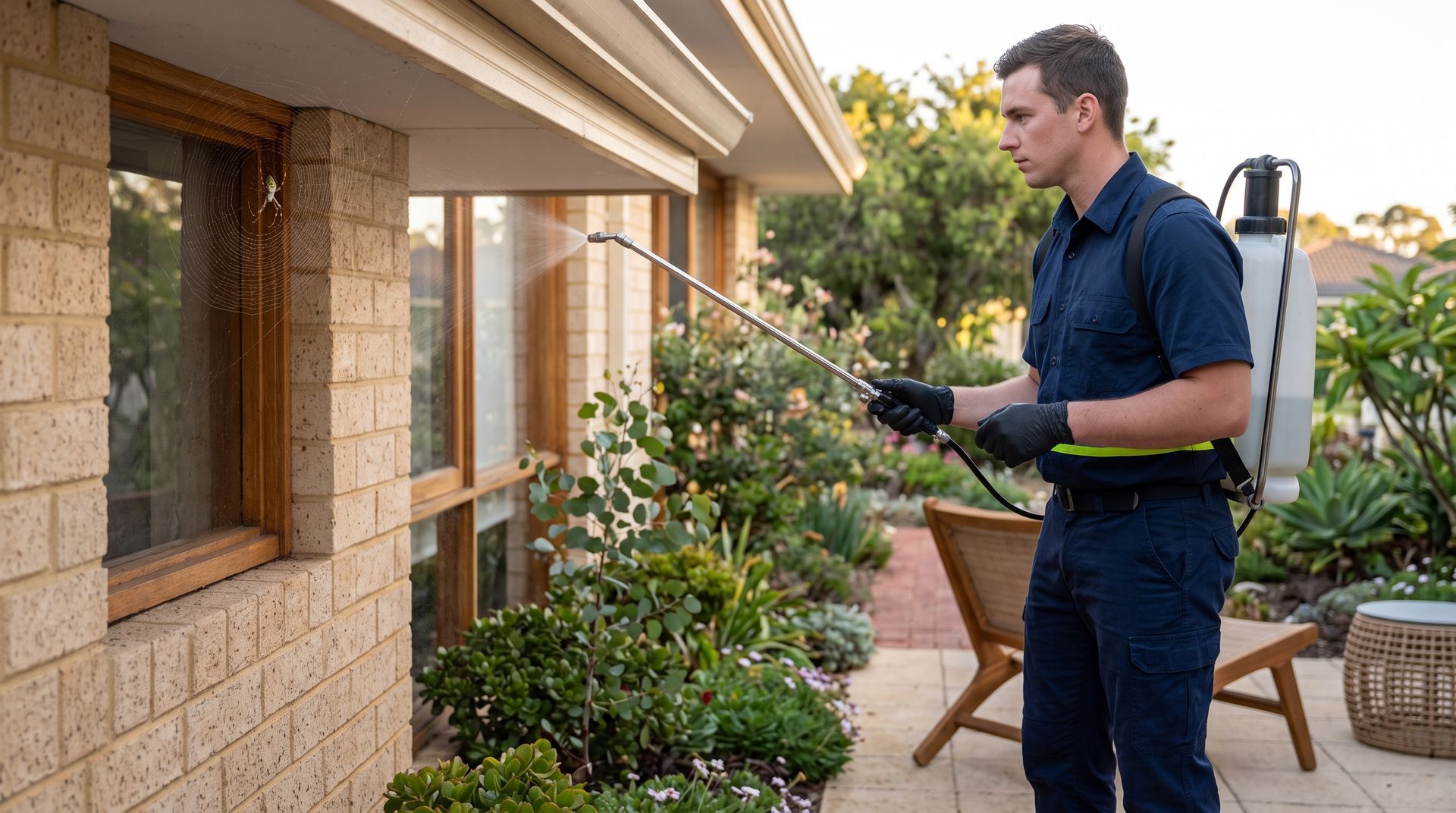
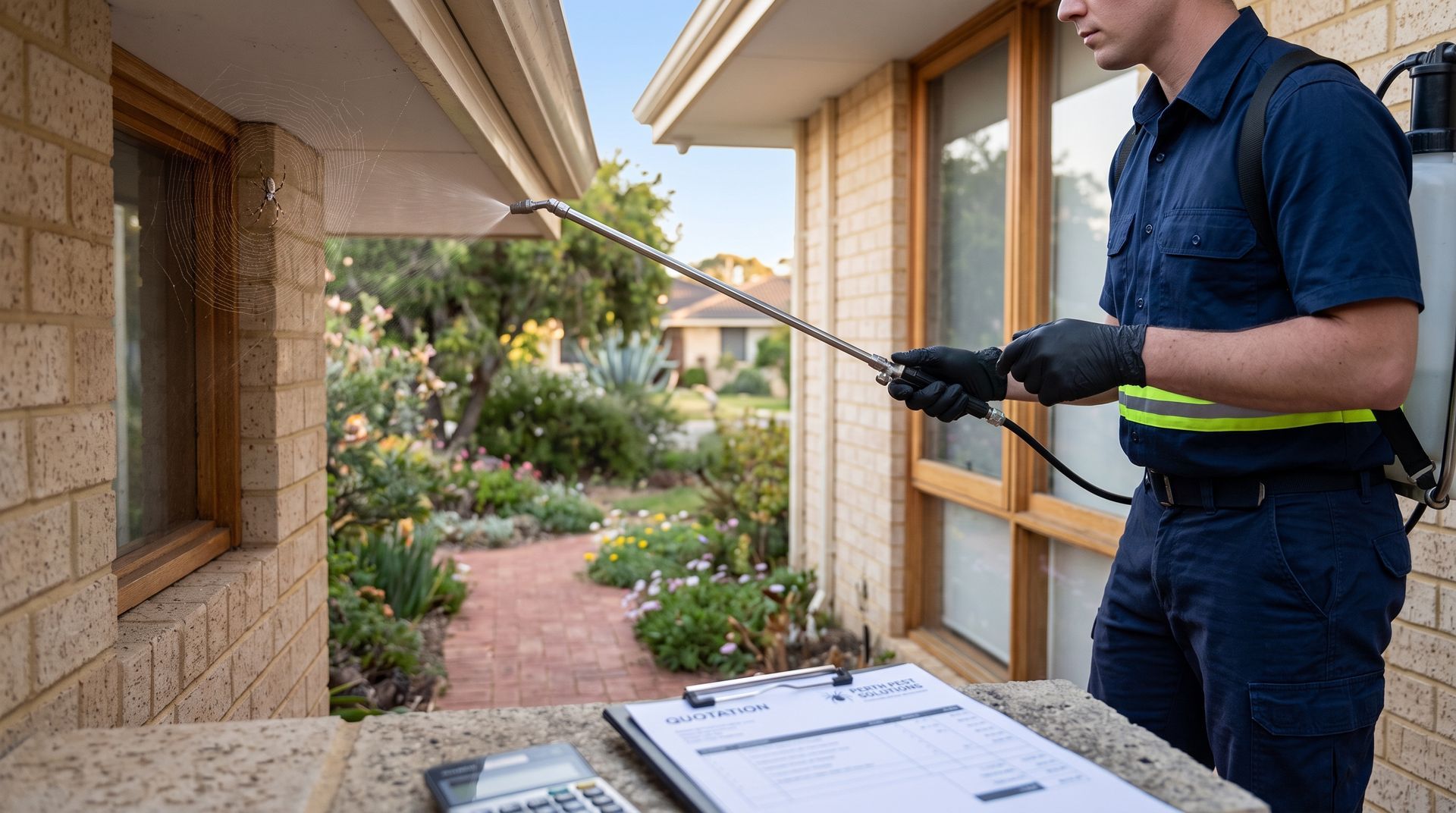
Have you ever spotted a spider lurking in the corner of your ceiling and wondered how it got there? Spiders are a common sight in Perth homes, especially during the warmer months when they’re seeking shelter or hunting for insects. While many species are harmless, some can cause alarm or even pose a health risk to families. The key to keeping them out is understanding why they appear and how to prevent them. At Stewarts Pest Control , we’ve been helping Perth homeowners with effective spider pest control since 1954, using trusted methods to keep homes safe, comfortable, and spider-free all year round. The Most Common Spiders Found in Perth Homes Perth is home to a wide variety of spiders, most of which play an important role in controlling other household pests. However, some species can become unwelcome guests when they move indoors in search of warmth or food. Knowing which spiders are most common around Perth homes helps you identify potential risks and take the right steps for safe spider control.  Redback Spider Perhaps the most recognised spider in Australia, the redback is notorious for its venomous bite. Easily identifiable by the red stripe running down its shiny black abdomen, the redback prefers dark, sheltered areas like garden sheds, outdoor furniture, mailboxes, and underneath toys or equipment. Females are more dangerous than males, and their webs are messy, sticky, and often found in dry corners. While bites are rare and usually occur when the spider is disturbed, redbacks should always be handled by professionals. White-Tailed Spider The white-tailed spider is a common intruder, often found indoors at night. They tend to wander into homes searching for other spiders to prey on. They’re typically found in clothing, bedding, or towels left on the floor, which can lead to unpleasant surprises. Contrary to myths, their bites rarely cause serious harm, but they can be irritating and painful. Huntsman Spider Large, fast, and frightening at first glance, the huntsman spider is mostly harmless. These spiders are often found on walls or ceilings and may enter homes seeking warmth or insects to feed on. Despite their size, huntsmen are beneficial because they reduce the number of flies, cockroaches, and moths indoors. Black House Spider These dark, compact spiders often build dense, funnel-like webs around window frames, eaves, and fences. While they rarely bite, their webs can attract other insects, which in turn draw more spiders to the area. Daddy Long Legs Recognisable by their delicate, long legs and small bodies, daddy long legs are common in corners of ceilings and garages. They’re harmless and even feed on other spiders, but their webs can quickly accumulate and make a home look untidy. Understanding which spiders are present in your home helps you take the right preventive measures and seek professional help when needed, ensuring a safe and spider-free environment. Why Spiders Enter Homes Even though most spiders prefer to stay outdoors, Perth homes often provide the perfect environment for them to thrive. Understanding why spiders come inside is the key to keeping them out. From shelter and warmth to readily available food sources, several factors can make your home inviting to these eight-legged visitors. Seeking Shelter from the Elements Spiders are sensitive to changes in temperature and weather. During hot summers or heavy rains, they often move indoors to escape the harsh conditions. Cracks around windows, vents, and door frames become easy entry points. Once inside, spiders hide in undisturbed areas such as basements, roof spaces, cupboards, or behind furniture where they can build webs safely. Hunting for Food Sources One of the most common reasons spiders enter homes is the abundance of insects. Flies, mosquitoes, and ants serve as their primary food sources, and homes with other pest issues are more likely to attract spiders. By keeping kitchens and outdoor areas free from leftover food and crumbs, you reduce the overall insect population, and in turn, the number of spiders. Breeding and Nesting Spiders reproduce quickly, and a single egg sac can contain hundreds of spiderlings. These baby spiders often spread throughout the home, settling into quiet corners or ceiling spaces. Regular cleaning and decluttering disrupt their nesting spots, helping to prevent future infestations. Light and Warmth Outdoor lights attract insects at night, which naturally draws spiders closer to entry points like windows and doors. Reducing unnecessary lighting or using yellow “bug-safe” bulbs can help minimise this problem. While these habits explain why spiders seek refuge indoors, removing them completely often requires more than cleaning alone. Professional spider removal services target the root of the problem, not just visible webs, ensuring your home remains clean, comfortable, and spider-free. Effective Prevention Tips to Keep Spiders Away Keeping spiders out of your home doesn’t have to be difficult. By combining good housekeeping habits with a few simple maintenance steps, you can create an environment that’s far less appealing to them. Prevention is always more effective and affordable than dealing with an active infestation. Seal Entry Points and Cracks Spiders are experts at squeezing through tiny gaps. Inspect your home’s doors, windows, and skirting boards regularly for cracks or openings. Seal them with caulk or weather stripping to block potential entry points. Don’t forget to check vents, utility lines, and under-door gaps; these are often overlooked yet common access routes. Keep Your Home Clean and Clutter-Free Spiders prefer quiet, dark corners where they won’t be disturbed. Regular vacuuming, especially in corners, behind furniture, and along ceiling edges, helps remove webs, egg sacs, and insects that spiders feed on. Avoid clutter buildup in garages, sheds, and storage rooms, as cardboard boxes and stacked items make ideal hiding spots. Reduce Outdoor Attractants Your garden can be a launching pad for spiders to enter the house. Trim back shrubs and plants that touch external walls or windows, as they provide bridges for spiders to cross. Keep garden beds tidy and avoid leaving piles of wood or debris near your home’s foundation. Outdoor lighting should also be minimised, as bright lights attract insects that, in turn, attract spiders. Use Natural Deterrents Wisely Simple natural remedies can complement regular cleaning. Peppermint, citrus, or eucalyptus oil diluted with water can be sprayed around windowsills, corners, and door frames to discourage spiders. While these solutions don’t eliminate infestations, they help deter new arrivals when used consistently. Schedule Regular Inspections Even the most diligent homeowner can miss hidden spider nests. Regular inspections by professionals ensure potential problems are caught early. A licensed technician can identify spider types, remove webs, and apply safe treatments designed for long-term protection. By taking proactive steps and maintaining these habits year-round, you can enjoy peace of mind knowing your home remains clean, comfortable, and spider-free. When to Call the Professionals While prevention goes a long way, there are times when professional help becomes essential. Some spider infestations are simply too widespread, too persistent, or too risky to handle on your own. That’s when calling in experts can make all the difference in restoring comfort and safety to your home. Recognising the Signs of a Larger Problem If you’re constantly noticing webs reappearing shortly after cleaning, spotting spiders in multiple rooms, or finding egg sacs around the property, it may indicate a larger issue. Spiders reproduce quickly, and a single female can lay hundreds of eggs. Once this happens, the infestation can grow faster than most home remedies can manage. Other red flags include seeing venomous species such as redbacks or white-tailed spiders near living spaces, especially if children or pets are present. These cases call for immediate professional attention to ensure safety and proper treatment. Why Professional Treatment Is More Effective A spider pest control company doesn’t just remove visible spiders; it targets the entire source of the problem. Trained technicians can identify the type of spider, locate hidden nests, and determine why they’re drawn to your property in the first place. By combining inspection, treatment, and prevention strategies, professionals deliver long-lasting results. At Stewarts Pest Control, we use safe, family- and pet-friendly products designed to remove spiders without harming your home environment. Our methods are proven to eliminate infestations efficiently while preventing future ones from developing. The Value of Routine Maintenance Scheduling regular pest control inspections can help keep your home protected throughout the year. Seasonal treatments ensure spiders and other pests are managed before they become a problem. It’s not just about removing spiders; it’s about maintaining a clean, safe, and welcoming home. For more than 70 years, Stewarts Pest Control has provided Perth families with dependable service, expert advice, and genuine care. With decades of experience and a reputation built on trust, we remain committed to helping homeowners enjoy pest-free living through thorough, reliable spider management. Ready to Say Goodbye to Spiders for Good? Are you tired of spotting webs in corners or finding unexpected eight-legged visitors around your home? Keeping spiders away starts with understanding their habits, maintaining good prevention routines, and knowing when to bring in expert help. A little effort today can make a big difference in keeping your home safe and comfortable tomorrow. At Stewarts Pest Control , we’ve been protecting Perth homes since 1954 with trusted, family-friendly pest solutions. If you’re ready for lasting relief from spiders, reach out to our friendly team today and let us help you create a cleaner, safer, and truly spider-free home.
By Peta Stewart December 9, 2025
Have you ever spotted a trail of ants weaving its way across your kitchen bench and wondered how they got there in the first place? Ants are one of the most common pests in Perth homes, and once they find a food or water source, they can quickly turn a minor inconvenience into a full infestation. The good news is that with the right prevention strategies, you can stop ants long before they become a problem. At Stewarts Pest Control , we’ve been helping Perth families with reliable ant pest control solutions since 1954, keeping homes clean, safe, and pest-free. Understanding Why Ants Invade Homes Ants are surprisingly resourceful creatures, and understanding what draws them into your home is the first step to preventing an infestation. In Perth’s warm climate, ants are active for most of the year, constantly searching for food, water, and shelter. A few crumbs on the kitchen counter or a dripping tap can be enough to invite them indoors. Once one ant finds a source of food, it leaves a scent trail that the rest of the colony follows, turning a single scout into hundreds of tiny invaders in no time. What Attracts Ants Indoors Ants are driven by survival instincts, and your home provides everything they need. Common attractants include: Food crumbs and spills: Even small traces of sugar, grease, or fruit juice can draw ants from outside. Unsealed containers: Open food packages and pet food bowls act as easy targets. Water sources: Leaky pipes, damp towels, and condensation around sinks or windows offer hydration. Rubbish bins: Overflowing or uncovered bins can quickly become a feeding ground. Maintaining a clean, dry, and well-sealed environment is key to deterring ants before they form a colony inside. Common Ant Species in Perth Not all ants are the same, and some are more persistent than others. Perth homeowners often encounter: Black house ants: Typically nest in walls and kitchens, attracted by sweet foods. Coastal brown ants: Known for forming large colonies in gardens and under paving stones. Argentine ants: Aggressive invaders that can displace native species and are difficult to control once established. Each type behaves differently, which is why understanding what species you’re dealing with helps determine the right solution. The Hidden Complexity of Ant Colonies Ants operate as a highly organised community, with thousands of workers dedicated to foraging and protecting their queen. Simply killing visible ants rarely solves the problem; it only eliminates the surface-level workers. The real issue lies deep within the colony, where eggs and larvae continue to develop. For long-term success, homeowners need more than just surface sprays. A professional ant control company in Perth can identify nest locations, species types, and targeted treatments to stop infestations at the source, ensuring lasting protection for your home. Simple Everyday Habits to Prevent Ant Infestations Keeping ants out of your home doesn’t always require complex treatments; it often comes down to consistent, simple habits. By maintaining a clean and well-sealed environment, you make it harder for ants to find food and water sources. These small daily practices not only prevent infestations but also help protect your home year-round. Keep Your Kitchen Spotless The kitchen is the number one hotspot for ants. Leftover crumbs, sugary spills, and open containers are irresistible to foraging ants. Wipe down benches, tables, and splashbacks after every meal. Sweep or vacuum floors regularly to remove hidden food debris. Rinse used dishes instead of leaving them in the sink overnight. Store food such as cereal, biscuits, and pet food in sealed containers. Ants rely on scent trails to find their way back to food sources, so using a mild cleaning solution or vinegar-based spray can help erase these trails and discourage further exploration. Manage Rubbish and Pet Areas Ants are drawn to odours, and rubbish bins are a frequent attractant. Always keep indoor bins covered and empty them daily, especially in warmer months. Clean your bins with soapy water or disinfectant to remove residue that might lure pests. Pet food bowls can also be a major attractant. Ants are opportunistic feeders, so leftover kibble or spilled water quickly draws them in. Feed pets at set times, wipe the area after feeding, and consider using a small dish of water around the bowl to act as a barrier. Check Hidden Spots and Entry Points Ants often sneak in through gaps you barely notice. Regularly inspect skirting boards, window sills, and under appliances where crumbs tend to accumulate. Seal any small cracks or holes around windows, doors, and plumbing. Even areas like pantries, laundry rooms, and bathrooms can attract ants if moisture builds up. Running a dehumidifier or fixing leaks helps remove the humidity ants seek. Developing these habits might seem simple, but they’re incredibly effective. Combined with professional advice and regular inspections, these ant prevention tips help you stay one step ahead, keeping your home fresh, hygienic, and ant-free all year long. Outdoor Maintenance to Keep Ants Away While most homeowners focus on keeping the inside of their homes spotless, many ant infestations actually start outdoors. Gardens, lawns, and exterior walls can become nesting sites where ants thrive before eventually finding their way inside. By maintaining the outdoor areas around your home, you can significantly reduce the likelihood of an infestation taking hold. Tidy Up the Garden and Surrounding Areas Ants love cluttered environments where they can build nests undisturbed. Garden beds, overgrown shrubs, and piles of mulch or leaves create perfect hiding spots. Keep grass trimmed and remove fallen leaves or branches regularly. Prune trees and shrubs that touch the sides or roof of your home, these act as bridges for ants to enter. Move firewood, bricks, and garden ornaments away from exterior walls, as ants often nest beneath these. Avoid leaving pet food or compost uncovered outdoors, as these provide accessible food sources. These small steps limit nesting opportunities and reduce the number of ants near your home’s foundation. Inspect and Seal Entry Points Outdoor cracks and gaps may seem insignificant, but they are ideal entryways for ants. Examine the foundation of your home, window frames, and door seals for signs of wear or separation. Use weatherproof sealant or silicone caulking to close any small openings. This creates a physical barrier, preventing ants from finding easy access inside. Pay attention to plumbing and electrical entry points too, as ants often use these as hidden pathways. Installing mesh screens on weep holes or vents can also discourage entry. Reduce Moisture and Standing Water Like most pests, ants are attracted to moisture. Poor drainage, leaking taps, and puddles around the home’s perimeter are strong attractants. Repair dripping outdoor taps and check irrigation systems for leaks. Clear gutters and downpipes to ensure proper water flow. Level uneven ground where water tends to pool after rain. By removing these water sources, you make your outdoor space less appealing to ants and other insects. Consider Professional Outdoor Protection Even with diligent maintenance, some ant species are stubborn and difficult to control once they’ve established nests in soil or paving. That’s where professional ant treatment service in Perth make a real difference. At Stewarts Pest Control , we use safe, targeted treatments designed to eliminate colonies at their source while protecting your garden and family. A proactive outdoor approach is one of the best ways to stop ants before they ever cross your doorstep, keeping your entire property cleaner, safer, and pest-free. When to Call in Professional Help Sometimes, even the cleanest homes can fall victim to an ant invasion. Once a colony has established itself nearby, the number of ants can multiply rapidly, and do-it-yourself solutions may not be enough to stop them. Understanding when to bring in experts can save you time, frustration, and recurring infestations. Why DIY Solutions Often Fail Supermarket sprays and surface cleaners can appear effective at first, but they only eliminate the ants you see. The majority of the colony, including the queen and developing larvae, remains hidden deep within walls, soil, or foundations. Once those worker ants are gone, the colony simply sends more to replace them. Store-bought products also lack the strength or precision of professional treatments. Overusing or misusing them can drive ants to scatter and form new colonies elsewhere, a process known as budding, which makes the problem even worse. What Professional Technicians Do Differently Professional pest control technicians take a more strategic approach. Instead of just targeting surface activity, they identify the exact species of ant and locate the colony’s nesting sites. This ensures treatments are tailored for maximum effectiveness. At Stewarts Pest Control, our experienced team uses safe, environmentally responsible products that are tough on ants but gentle on families, pets, and the environment. We combine modern technology with decades of industry knowledge to create treatment plans that don’t just fix the issue temporarily; they help prevent it from returning. Our technicians also assess your home for entry points, environmental conditions, and factors contributing to infestations. This holistic approach ensures lasting results and peace of mind. When to Make the Call If you notice frequent ant trails, nests appearing in your garden, or ants emerging from walls or electrical points, it’s time to seek professional help. Ignoring these signs can lead to larger colonies and potential property damage. By choosing professional ant control , you’re not just solving today’s problem; you’re protecting your home from future infestations. At Stewarts Pest Control, we’re proud to provide Perth families with trusted, family-friendly pest solutions backed by more than 70 years of service and expertise. Ready to Keep Ants Out for Good? Are you ready to stop ants from invading your home before they even get the chance? With a few consistent habits, some outdoor care, and timely professional help, you can keep your home safe and ant-free all year round. Prevention is always easier than elimination, and staying one step ahead makes all the difference.  At Stewarts Pest Control , we’ve been helping Perth homeowners with reliable pest management since 1954, delivering trusted service with a personal touch. If you’re concerned about ants or want expert advice on prevention, contact our friendly team today to arrange a professional inspection or treatment.
By Peta Stewart November 28, 2025
Professional cockroach treatment vs DIY methods. Learn key differences in effectiveness, safety and lasting results to choose the best option for your home.
By Peta Stewart November 28, 2025
Natural vs chemical ant control methods compared. Learn which option works best, how each approach affects safety, cost and long-term results for Perth homes.
By Peta Stewart November 28, 2025
Black vs brown ants and how to deal with them. Key differences, behaviour, infestations and effective control methods for Perth homes.
By Peta Stewart November 14, 2025
Compare natural spider repellents with professional treatments. Understand effectiveness, safety, and long-term results to choose the best option for your home.
Show More